If you’ve ever walked through a corrugated packaging plant, watched stacks of crisp, custom-printed boxes roll off a production line, or even pulled a well-made shipping container out of your porch delivery bin, you’ve seen the end result of a high speed fluting machine. But if you’re a small to mid-sized packaging manufacturer, or even an e-commerce brand looking to bring corrugated production in-house, knowing exactly what this piece of equipment does—and why it’s non-negotiable for modern operations—can feel a little opaque. As a fluting machine supplier who’s worked directly with packaging teams for over a decade, I get it: there’s a lot of jargon, and a lot of misconceptions about what makes a “high speed” fluter different from the older, slower models that used to dominate the industry. Fluting Machine
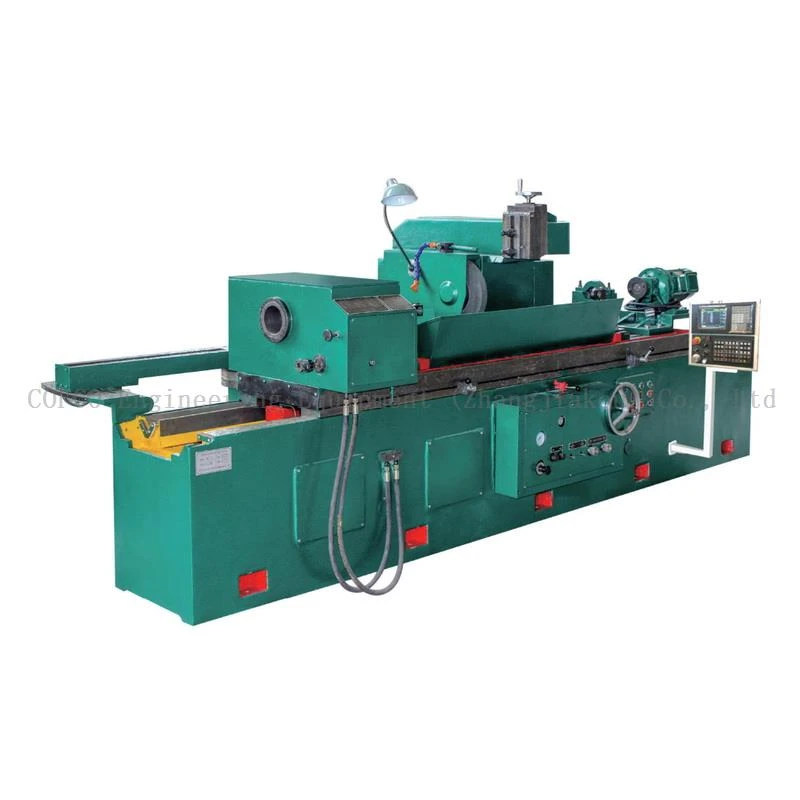
Let’s start with the basics, because even the name trips a lot of people up. Fluting itself isn’t just a fun term for corrugated paper’s wavy middle layer—it’s the process that creates that wave. A fluting machine (sometimes called a corrugator’s fluting section, part of a larger corrugated line) takes a continuous web of medium paper, heats it, and passes it through a pair of grooved metal rollers called corrugating rolls. Those rolls press the paper into consistent, uniform “flutes”—the little peaks and valleys that give corrugated board its strength, flexibility, and cushioning. Without that fluted core, you just have two flat sheets of paper, or linerboard, glued together—no stackable strength, no shock absorption, no ability to protect a 5-pound laptop or a 50-pound pallet of glassware.
A high speed fluting machine takes that core function and amplifies it. Traditional fluting machines from the 1980s and 1990s operated at speeds between 150 and 250 feet per minute (fpm). That might sound fast, but by today’s standards, it’s glacial. A modern high speed fluter operates anywhere from 500 to well over 1,000 fpm—enough to turn out a mile of finished corrugated board in less than 10 minutes. But speed isn’t just about pumping out more board. It’s about maintaining precision at that velocity, because even a tiny mistake in flute shape or alignment at high speeds can ruin thousands of dollars worth of material before you catch it.
Let’s break down the key components that make a fluting machine qualify as “high speed,” because that’s where the real value for your operation comes in. First, the corrugating rolls themselves. Older models used steel rolls with simple, pressed-in grooves, which wore down quickly and couldn’t hold their shape at high heat and pressure. High speed fluters use precision-ground carbide rolls, with flute patterns calibrated to exact industry standards (there are 12 standard flute profiles, from very small F-flute for retail packaging to heavy-duty A-flute for industrial crates). These rolls have a uniform tolerance of just a few thousandths of an inch, which means every flute is the same size and shape—even when the machine is running 800 fpm. That consistency is what lets you glue the liner and the fluted core together evenly, without weak spots that cause boxes to collapse under weight.
Next, the heating system. At high speeds, the medium paper has less time to absorb and set heat, so old convection heating ovens just don’t cut it. Modern high speed fluting machines use contact heating, where the corrugating rolls are heated internally with pressurized steam or electric elements, and the paper comes into direct contact with the roll surface. This delivers precise, uniform heat in fractions of a second, which keeps the medium paper flexible enough to form flutes but rigid enough to hold its shape immediately after leaving the rolls. Too little heat, and the flutes collapse as the board moves to the glue station; too much heat, and the paper burns or becomes too brittle to stack. We’ve had customers tell us that switching from a convection-heated mid-speed fluter to a contact-heated high speed model cut their defect rate from 8% to less than 1%, which is a game-changer for waste costs.
Then there’s the glue application system, and this is where a lot of mid-sized manufacturers underestimate the importance of high speed fluting tech. At 800 fpm, you can’t pause to adjust glue beads manually, and uneven glue application means liner separation down the line. High speed fluters use computer-controlled glue guns, synchronized directly to the speed of the line, that deposit a precise bead of starch or adhesive along the peak of each flute. The system uses load cells and vision sensors to monitor glue thickness in real time, so if the line speeds up or slows down even a little, the glue rate adjusts automatically. No more manual calibration, no more missed glue spots that lead to delaminated boxes. For a plant that runs 20 hours a day, that adds up to thousands of dollars in annual savings on rework.
But here’s what I want every potential customer to understand: a high speed fluting machine isn’t just for big box corporations or mega-packaging plants. We’ve installed these machines at family-owned operations that do $2 million a year in revenue, small e-commerce brands that just added a corrugated board line to their in-house fulfillment, and even specialty packaging companies that make custom gift boxes or artisanal product crates. The value isn’t just higher output—it’s flexibility. A lot of modern high speed fluters have quick-change flute profiles, so you can switch from making F-flute for retail product boxes to B-flute for shipping containers in less than 15 minutes. Older models could take an hour or more to swap rolls, which meant lost production time if you had a mix of orders.
Of course, there are common pain points that lead packaging teams to upgrade to high speed fluting, and I hear these all the time when I’m on a site visit. The first is material waste. A mid-speed fluter might have a waste rate of 5-7% due to misaligned flutes, delaminated board, or off-spec sizes. A high speed fluter cuts that waste to 1-2%, because of the precision components and real-time monitoring. For a plant that uses 100 tons of paper a month, that’s 6-7 tons of saved material per year—enough to pay for a big chunk of the machine’s operating costs. The second is labor. Older fluting machines require a team of two or three operators just to monitor for defects, adjust glue, and change rolls. A modern high speed fluter can be run by one operator, thanks to automation and remote monitoring tools that alert you to issues before they become big problems. That’s not just a labor cost savings—it’s a way to keep your team focused on high-value tasks, not babysitting a machine all day.
I also want to address a common myth: that you have to compromise on quality for speed. That was true 20 years ago, when fast fluters were only used for cheap, disposable packaging. Today’s high speed fluters are calibrated to meet all industry standards for burst strength, edge crush test (ECT), and stackability. We recently worked with a craft beer brand that switched from slow, custom corrugated boxes to high speed fluter-made boxes, and they told me their customers were commenting that the boxes were sturdier, even though they cost less to produce. Speed and quality aren’t opposites anymore—they’re partners.
Now, let’s talk about what to look for when you’re shopping for a high speed fluting machine, because not all models are created equal. First, check the maximum speed and consistent operating speed. A machine that can hit 1,000 fpm only at full load isn’t useful for most operations—you need a machine that runs at high speed even when producing smaller, lower-volume orders. Next, look for quick-change roll systems, because the ability to switch flute profiles fast is what gives you flexibility. If you’re only making one type of board, maybe you don’t need that, but if you have multiple customers or product lines, it’s a non-negotiable. Finally, ask about after-sales support. Fluting machines have a lot of moving parts, and when you’re running a 20-hour shift, you can’t afford to wait three days for a replacement part. We offer 24/7 technical support, on-site service within 48 hours for North American customers, and a full stock of replacement parts on hand—that’s the kind of support that makes a high speed fluter worth the investment.
Let’s put this in context with a real example, because I think numbers help. A mid-sized packaging plant we’ve worked with in Ohio was running two mid-speed fluting machines, each at 200 fpm, with a total output of 300,000 square feet of corrugated board a week. They were having trouble meeting a 100,000 square foot order for a new e-commerce client, because their machines were only running at 80% capacity due to frequent breakdowns and defect-related downtime. We worked with them to install a single high speed fluting machine, operating at 750 fpm. Their output jumped to 500,000 square feet a week, their waste rate dropped from 6% to 1.5%, and they reduced their labor for fluting operations by one full-time employee. The total cost of the machine was recouped in less than 18 months, thanks to savings on waste and labor, and they were able to take on three new clients that they would have had to turn down before. That’s the impact a high speed fluting machine can have on a small to mid-sized business.
I know that investing in a new piece of equipment like a fluting machine is a big decision. It’s not just about the upfront cost—it’s about how it fits your current production line, your order volume, your customer needs, and your long-term growth goals. That’s why we don’t just sell machines; we work with you to assess your current operation, identify bottlenecks, and build a solution that makes sense for your business, not just a one-size-fits-all model. We’ve helped operations scale from 100,000 to 2 million square feet a month with high speed fluting equipment, and we’ve also helped small shops that want to add corrugated production for the first time.
If you’re tired of lost production time, high material waste, and quality issues that cost you customers, it might be time to explore what a high speed fluting machine can do for your operation. Whether you’re looking to upgrade an old line, add a corrugated production capacity, or just figure out where your next bottleneck is, we’re here to help. We can walk you through the specs, answer your questions about speed vs. precision, and even set up a virtual tour of a machine running in a plant near you. Don’t let outdated equipment hold your business back—modern fluting technology is designed to help you work smarter, not harder, and grow with your needs. Reach out to us to schedule a no-obligation consultation to discuss your fluting machine needs.
Grain Destoning Equipment References
- Corrugated Packaging Association. (2022). "Modern Fluting Technology and Operational Efficiency in Corrugated Manufacturing." Annual Industry Report.
- International Organization for Standardization. (2019). "ISO 12048:2019, Corrugated Fiberboard – Method for Determination of Edge Crush Strength (ECT)."
- Packaging Digest. (2023). "High Speed Corrugation Lines: Balancing Speed, Precision, and Sustainability." Industry White Paper.
- American National Standards Institute. (2021). "ANSI TAPPI T 818 om-21, Bursting Strength of Paper and Paperboard."
COFCO Engineering Equipment (Zhangjiakou) Co., Ltd.
COFCO Engineering Equipment (Zhangjiakou) Co., Ltd. is one of the most professional fluting machine manufacturers and suppliers in China, also supports customized service. Please feel free to wholesale advanced fluting machine for sale here from our factory. Quality products and reasonable price are available.
Address: No.4 ZhongLiang Street, high-tech industrial development zone, Zhangjiakou, Hebei, PRC
E-mail: mayihui@cofco.com
WebSite: https://www.ceeflourmill.com/
