Hey there! I’m a supplier of carbon steel pipes, and today I wanna chat about something super important in our industry: the effect of alloying elements on carbon steel pipe properties. Carbon Steel Pipe
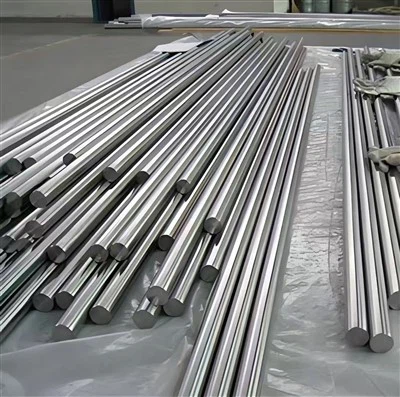
Let’s start with the basics. Carbon steel pipes are a big deal in a whole bunch of industries. They’re used in construction, oil and gas, and even in our homes for plumbing. But did you know that adding certain alloying elements can change the properties of these pipes in some pretty amazing ways?
1. Chromium (Cr)
First up, chromium. Chromium’s an alloying element that’s well – known for its ability to improve corrosion resistance. When we add chromium to carbon steel pipes, it forms a thin, protective oxide layer on the surface of the pipe. This layer helps prevent rust and other forms of corrosion.
In industries where carbon steel pipes are exposed to harsh environments, like the offshore oil and gas industry, chromium – alloyed carbon steel pipes are a game – changer. They can last much longer, which means less maintenance and lower costs in the long run. But chromium doesn’t just improve corrosion resistance. It also boosts the hardness and strength of the pipes. This makes them more resistant to wear and tear, which is crucial when the pipes are used in high – pressure or high – flow applications.
2. Nickel (Ni)
Next, we’ve got nickel. Nickel’s another great alloying element for carbon steel pipes. It enhances the toughness and ductility of the pipes. That means the pipes can bend and stretch without breaking easily.
In low – temperature environments, like those found in the Arctic or in cryogenic applications, nickel – alloyed carbon steel pipes are essential. They can withstand the extreme cold without becoming brittle. And let me tell you, in an industry where pipe failure can lead to some seriously dangerous situations, this toughness is a lifesaver.
Nickel also helps improve the corrosion resistance of carbon steel pipes, especially in environments where there are acids or other corrosive substances. So, if you’re in an industry where your pipes are exposed to chemical attacks, nickel – alloyed pipes might be the way to go.
3. Manganese (Mn)
Now, manganese is an alloying element that often gets overlooked, but it’s actually really important. Manganese helps deoxidize the steel during the manufacturing process. This results in a cleaner, higher – quality pipe.
It also improves the strength and hardenability of carbon steel pipes. Manganese increases the hardening response of the steel when it’s heat – treated. This means we can make the pipes stronger and more wear – resistant.
In structural applications, where the pipes need to support heavy loads, manganese – alloyed carbon steel pipes are a popular choice. They offer good strength – to – weight ratios, which is a big plus when you’re building large structures.
4. Molybdenum (Mo)
Molybdenum’s a bit of a superhero when it comes to alloying elements. It significantly improves the high – temperature strength and creep resistance of carbon steel pipes. Creep is the slow deformation of a material under constant stress over time, and it’s a big problem in high – temperature applications.
In power plants, where the pipes are exposed to extreme temperatures and pressures, molybdenum – alloyed carbon steel pipes are widely used. They can maintain their structural integrity even under these harsh conditions. Molybdenum also enhances the corrosion resistance of the pipes in certain environments, like those with high – chloride content.
5. Vanadium (V)
Lastly, vanadium. Vanadium forms very hard carbides in the steel. These carbides increase the hardness and strength of the carbon steel pipes, especially when the pipes are heat – treated.
Vanadium also helps refine the grain structure of the steel. A finer grain structure means better toughness and ductility. In applications where the pipes are subject to dynamic loads or impact, vanadium – alloyed carbon steel pipes can perform really well.
How These Elements Work Together
It’s not always about just one alloying element. In many cases, we use a combination of these elements to get the best properties for the carbon steel pipes. For example, a pipe alloyed with both chromium and nickel will have excellent corrosion resistance and good toughness.
The interaction between these elements can be complex. Sometimes, one element can enhance the effect of another. Other times, we need to be careful not to over – alloy, because that can lead to some negative effects, like reduced weldability.
Choosing the Right Alloyed Carbon Steel Pipe
As a carbon steel pipe supplier, I get a lot of questions from customers about which type of alloyed pipe is right for their needs. And my advice is always to consider the specific application.
If you’re in an industry where corrosion is a major concern, like the chemical or marine industry, a pipe with high chromium and nickel content is probably a good choice. For high – temperature applications, you’ll want to look at pipes alloyed with molybdenum and vanadium.
It’s also important to think about the cost. Alloyed carbon steel pipes can be more expensive than regular carbon steel pipes, but the long – term benefits in terms of durability and performance often outweigh the initial cost.
Conclusion

So, as you can see, alloying elements have a huge impact on the properties of carbon steel pipes. They can improve corrosion resistance, toughness, strength, and performance in different environments.
Galvanized Profile If you’re in the market for carbon steel pipes, whether it’s for a small plumbing project or a large industrial application, I’d love to help you find the right ones. The right alloying elements can make all the difference in the success of your project. So, don’t hesitate to reach out for a chat about your requirements. We can discuss the best options for your specific needs and get you the pipes that will perform at their best.
References
- ASM Handbook Volume 1: Properties and Selection: Irons, Steels, and High – Performance Alloys
- Speidel, M. O. (1979). Corrosion of Stainless Steels: An Introduction.
- Davis, J.R. (1994). Steel Metallurgy for the Non – Metallurgist.
Xi’an Dongmeng Group Co., Ltd.
Xi’an Dongmeng Group Co., Ltd. is one of the leading carbon steel pipe manufacturers and suppliers in China. We warmly welcome you to buy or wholesale cheap carbon steel pipe in stock here from our factory. All customized products are with high quality and competitive price. For free sample, contact us now.
Address: Room 4107, Runfeng Building, Sanqiao New Street, Weiyang District, Xi’an City, Shaanxi Province
E-mail: office@dongmjd.com
WebSite: https://www.cndmmetal.com/
