Hey there! As a supplier of floor standing distribution boxes, I often get asked about the difference between floor standing and wall – mounted distribution boxes. So, I thought I’d write this blog to break it down for you in simple terms. Floor Standing Distribution Box
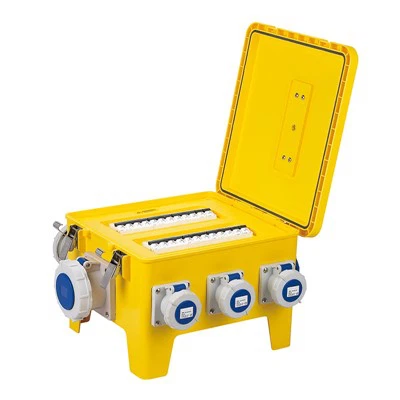
Let’s start with the basics. A distribution box is like the heart of an electrical system. It distributes electrical power from a single source to multiple circuits. Whether it’s in a commercial building, an industrial facility, or even a residential home, a distribution box plays a crucial role in keeping the lights on and the appliances running.
Physical Design and Installation
The most obvious difference between floor standing and wall – mounted distribution boxes is their physical design and how they’re installed.
Floor standing distribution boxes, well, as the name suggests, stand on the floor. They’re big and bulky, usually coming in large cabinets. These boxes are often used in industrial and commercial settings where there’s a need to handle a large amount of electrical power. Installing a floor standing distribution box is a bit of a process. It requires a dedicated space, and the floor needs to be able to support the weight of the box, which can be quite heavy, especially when it’s fully loaded with electrical components. You also need to make sure there’s enough clearance around it for maintenance and access.
On the other hand, wall – mounted distribution boxes are designed to be attached to a wall. They’re much smaller and more compact compared to floor standing ones. This makes them a great choice for residential applications or small commercial spaces where space is limited. The installation of a wall – mounted box is relatively easier. You just need to find a suitable wall, make sure it can support the box, and then mount it in place. It doesn’t require as much planning or space as a floor standing box.
Capacity and Power Handling
Another big difference lies in their capacity and power handling capabilities.
Floor standing distribution boxes are the heavyweights when it comes to power distribution. They’re built to handle large electrical loads. These boxes can house multiple circuit breakers, fuses, and other electrical components, allowing them to distribute power to a large number of circuits. In industrial settings, they can be used to power heavy machinery, large motors, and other power – hungry equipment. The internal components of floor standing boxes are often larger and more robust to handle the high currents and voltages.
Wall – mounted distribution boxes, while still capable of distributing power, have a much lower capacity. They’re designed for lighter electrical loads, such as lighting circuits, small appliances, and household electronics in a residential setting. The size of the circuit breakers and other components in wall – mounted boxes is smaller, which limits the amount of power they can handle.
Accessibility and Maintenance
Accessibility and maintenance are also important factors to consider.
Floor standing distribution boxes offer better accessibility. Since they stand on the floor, there’s usually plenty of space around them to open the doors and access the internal components. This makes it easier for electricians to perform maintenance tasks, such as replacing circuit breakers or checking for faults. However, because of their size and complexity, maintenance on floor standing boxes can be more time – consuming and may require specialized tools and knowledge.
Wall – mounted distribution boxes are more limited in terms of accessibility. They’re often installed in tight spaces, and the size of the box itself can make it a bit tricky to access all the components. However, since they’re used for less complex electrical systems, maintenance is generally simpler and quicker. You can usually replace a circuit breaker in a wall – mounted box with basic tools.
Cost
Cost is always a consideration when choosing between a floor standing and a wall – mounted distribution box.
Floor standing distribution boxes are more expensive. The materials used to build them, such as heavy – duty steel cabinets and large electrical components, add to the cost. The installation process is also more involved, which means you’ll likely need to pay more for labor. Additionally, you may need to invest in a dedicated area to house the box, which can add to the overall cost.
Wall – mounted distribution boxes are more affordable. They use less material, and the smaller components are generally cheaper. The installation is also simpler and quicker, so you’ll save on labor costs. For those on a budget, especially in residential applications, a wall – mounted box is often the more cost – effective choice.
Flexibility and Expandability
Flexibility and expandability are important if you think your electrical needs might change in the future.
Floor standing distribution boxes are very flexible and expandable. Because of their large size, there’s usually plenty of room to add new circuit breakers or other components as your electrical system grows. This makes them a great choice for businesses that are expected to expand or for industrial facilities where new equipment might be added over time.
Wall – mounted distribution boxes have limited expandability. Once they’re full, there’s often not much you can do except replace the entire box. This can be a drawback if you anticipate significant growth in your electrical load.
Safety Considerations
Safety is a top priority when it comes to electrical systems.
Floor standing distribution boxes often come with more safety features. They have larger enclosures that can better protect the internal components from accidental damage. Many floor standing boxes also have built – in ventilation systems to prevent overheating, which is a major safety concern in high – power electrical systems.
Wall – mounted distribution boxes also have safety features, but they may be more basic. Since they’re used for lower – power applications, the risk of overheating and other safety hazards is generally lower. However, it’s still important to make sure the box is properly installed and maintained to ensure safety.
So, which one should you choose? Well, it depends on your specific needs. If you’re running a large industrial facility or a commercial building with high electrical demands, a floor standing distribution box is probably the way to go. But if you’re looking for a solution for a small home or a small office with limited space and lower power needs, a wall – mounted distribution box will do the job just fine.

As a supplier of floor standing distribution boxes, I’m here to help you make the right decision. If you’re interested in learning more about our products or need some advice on which distribution box is best for your situation, don’t hesitate to reach out. We can have a chat, discuss your requirements, and see how we can meet your electrical distribution needs. Whether it’s for a new installation or an upgrade to an existing system, we’ve got the expertise and the products to get the job done right.
Wall Mounted Distribution Box References:
- Electrical Installation Handbook by Schneider Electric
- National Electrical Code (NEC) standards
Apeks Electric Co., Ltd.
As one of the leading floor standing distribution box manufacturers and suppliers in China, we also support custom service. With abundant experience, we warmly welcome you to wholesale high quality floor standing distribution box from our factory. Welcome to view our website for more information.
Address: No.2 Yuyao Rd, Yuxin, Nanhu District, Jiaxing, China
E-mail: kevin@apekselectric.com
WebSite: https://www.powerdistros.com/
