As a supplier of anti-roll bar ball joints, I understand the critical role that proper installation orientation plays in ensuring the optimal performance and safety of these components. In this blog post, I’ll share my insights on how to ensure the correct installation orientation of an anti-roll bar ball joint, drawing from my years of experience in the industry. Anti-roll Bar Ball Joint
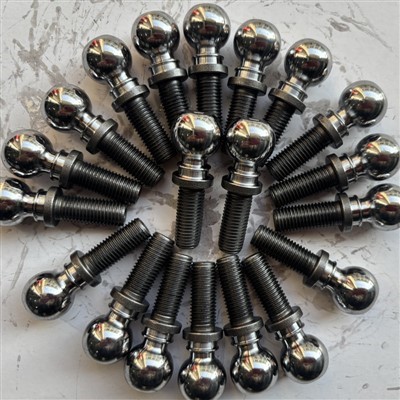
Understanding the Anti-Roll Bar Ball Joint
Before delving into the installation process, it’s essential to have a clear understanding of what an anti-roll bar ball joint is and how it functions. An anti-roll bar, also known as a sway bar or stabilizer bar, is a crucial component of a vehicle’s suspension system. Its primary function is to reduce body roll during cornering, thereby improving the vehicle’s stability and handling.
The ball joint is a vital part of the anti-roll bar assembly. It connects the anti-roll bar to the suspension components, allowing for smooth movement and articulation while maintaining the necessary stiffness. The correct installation orientation of the ball joint is crucial because it ensures that the forces are distributed evenly, reducing wear and tear and preventing premature failure.
Factors Affecting Installation Orientation
Several factors can influence the correct installation orientation of an anti-roll bar ball joint. These include the design of the vehicle’s suspension system, the type of ball joint being used, and the specific requirements of the anti-roll bar setup.
Vehicle Suspension Design
Different vehicles have different suspension designs, which can impact the installation of the anti-roll bar ball joint. For example, some vehicles may have a more complex multi-link suspension system, while others may have a simpler MacPherson strut setup. The orientation of the ball joint must be compatible with the overall design of the suspension to ensure proper functionality.
Type of Ball Joint
There are various types of anti-roll bar ball joints available on the market, each with its own unique features and installation requirements. Some ball joints are designed for specific applications or vehicle models, while others are more universal in nature. It’s important to select the right type of ball joint for your vehicle and to follow the manufacturer’s instructions regarding installation orientation.
Anti-Roll Bar Setup
The specific setup of the anti-roll bar can also affect the installation orientation of the ball joint. Factors such as the bar’s diameter, length, and stiffness can all influence the forces acting on the ball joint. Additionally, the way the anti-roll bar is attached to the vehicle’s frame and suspension components can impact the alignment and orientation of the ball joint.
Steps to Ensure Correct Installation Orientation
Now that we’ve covered the factors that can affect installation orientation, let’s discuss the steps you can take to ensure that the anti-roll bar ball joint is installed correctly.
Step 1: Gather the Necessary Tools and Materials
Before you begin the installation process, make sure you have all the necessary tools and materials on hand. This may include a socket set, wrenches, a torque wrench, a jack, and jack stands. You should also have the new anti-roll bar ball joint and any additional hardware that may be required for installation.
Step 2: Identify the Components
Carefully examine the anti-roll bar, the ball joint, and the suspension components to identify the correct orientation for installation. Look for any markings or indicators on the components that may suggest the proper alignment. If you’re unsure, refer to the vehicle’s service manual or consult with the manufacturer of the ball joint.
Step 3: Remove the Old Ball Joint
Using the appropriate tools, remove the old ball joint from the anti-roll bar and the suspension components. This may involve loosening bolts, disconnecting linkages, or using a ball joint separator. Be sure to keep track of all the removed parts and hardware for reuse or replacement.
Step 4: Prepare the New Ball Joint
Before installing the new ball joint, lubricate any moving parts or contact surfaces according to the manufacturer’s recommendations. This will help to ensure smooth operation and reduce friction. You may also need to adjust the position or orientation of the ball joint to match the installation requirements.
Step 5: Install the New Ball Joint
Carefully align the new ball joint with the mounting holes on the anti-roll bar and the suspension components. Use the appropriate hardware to secure the ball joint in place, tightening the bolts to the specified torque settings. Make sure that the ball joint is properly seated and that there is no excessive play or movement.
Step 6: Check the Alignment
Once the ball joint is installed, check the alignment of the anti-roll bar and the suspension components. Use a measuring tool or a alignment gauge to ensure that everything is properly aligned. If necessary, make any adjustments to the position or orientation of the ball joint to achieve the correct alignment.
Step 7: Test the Vehicle
After completing the installation, test the vehicle to ensure that the anti-roll bar and the ball joint are functioning properly. Take the vehicle for a short drive and pay attention to how it handles during cornering and other maneuvers. If you notice any unusual noises, vibrations, or handling issues, stop the vehicle immediately and inspect the installation for any problems.
Common Mistakes to Avoid
When installing an anti-roll bar ball joint, there are several common mistakes that you should avoid to ensure a successful installation.
Incorrect Orientation
One of the most common mistakes is installing the ball joint in the wrong orientation. This can lead to uneven wear, premature failure, and handling problems. Always double-check the alignment and orientation of the ball joint before tightening the bolts.
Over-Tightening or Under-Tightening
Another common mistake is over-tightening or under-tightening the bolts that secure the ball joint. Over-tightening can cause damage to the threads or the ball joint itself, while under-tightening can result in loose connections and excessive play. Use a torque wrench to ensure that the bolts are tightened to the specified torque settings.
Failure to Lubricate
Failing to lubricate the moving parts or contact surfaces of the ball joint can lead to increased friction and wear. Always follow the manufacturer’s recommendations regarding lubrication to ensure smooth operation and a longer lifespan for the ball joint.
Ignoring Wear and Tear
It’s important to regularly inspect the anti-roll bar ball joint for signs of wear and tear. If you notice any cracks, excessive play, or other damage, replace the ball joint immediately to prevent further problems.
Conclusion

Ensuring the correct installation orientation of an anti-roll bar ball joint is essential for the optimal performance and safety of your vehicle. By understanding the factors that can affect installation orientation, following the proper installation steps, and avoiding common mistakes, you can ensure that your anti-roll bar ball joint is installed correctly and functions properly for years to come.
Outer Ball Joint If you’re in the market for high-quality anti-roll bar ball joints, I invite you to contact us for more information. Our team of experts is dedicated to providing top-notch products and exceptional customer service. We look forward to the opportunity to discuss your specific needs and how our anti-roll bar ball joints can meet them.
References
- Automotive suspension design textbooks
- Service manuals for various vehicle models
- Technical bulletins from anti-roll bar ball joint manufacturers
Taizhou Huazhe Auto Parts Co., Ltd.
As one of the most professional anti-roll bar ball joint manufacturers and suppliers in China, we’re featured by quality products and low price. Please rest assured to buy bulk high-grade anti-roll bar ball joint in stock here from our factory. For pricelist, contact us now.
Address: No. 2828, Binkang Avenue, Sanjia Street, Taizhou Bay New Area, Taizhou City, Zhejiang Province
E-mail: 19906762800@163.com
WebSite: https://www.huazheindustry.com/
