Can cutting wheels be used for precision cutting? Cutting Wheels
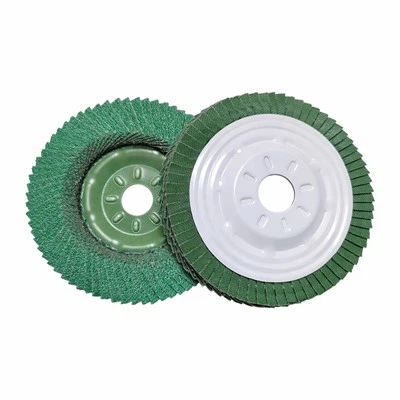
As a cutting wheels supplier deeply involved in the industrial tooling market, I often encounter inquiries from customers regarding the precision capabilities of cutting wheels. The answer to the question "Can cutting wheels be used for precision cutting?" is not a simple yes or no. It depends on various factors such as the type of cutting wheel, the material being cut, and the specific requirements of the precision task at hand.
Types of Cutting Wheels and Their Precision Potential
There are several types of cutting wheels available in the market, each designed for different applications and with varying levels of precision.
Abrasive Cutting Wheels
Abrasive cutting wheels are perhaps the most common type. They are made of abrasive grains bonded together by a matrix. These wheels are known for their high cutting speed and ability to cut through a wide range of materials, including metals, ceramics, and composites.
For general – purpose applications, abrasive cutting wheels can provide a reasonable level of precision. However, achieving high – precision cuts with them can be challenging. The abrasive grains wear down during the cutting process, which can lead to changes in the cutting diameter and edge profile. This is especially true when cutting hard or tough materials.
For example, when cutting thick steel bars, an abrasive cutting wheel might cut quickly but may not be able to maintain a consistent width of cut. The nature of the abrasive action can also cause some material loss at the cut edges, resulting in a less – than – perfect finish.
Diamond Cutting Wheels
Diamond cutting wheels are a different story. Diamond is the hardest known material, and these wheels are extremely effective at cutting hard substances such as stone, concrete, and glass.
In the context of precision cutting, diamond cutting wheels have a distinct advantage. They have a very long lifespan compared to abrasive cutting wheels, which means the wheel’s shape and cutting diameter remain more consistent over time. This consistency is crucial for precision work. For instance, in the manufacturing of optical lenses, diamond cutting wheels can be used to precisely shape the glass with a high degree of accuracy.
Resin – Bonded Cutting Wheels
Resin – bonded cutting wheels are often used for cutting metals. They offer a good balance between cutting speed and precision. The resin bond holds the abrasive grains firmly, reducing the chances of the grains coming loose and causing uneven cuts.
These wheels are suitable for applications where a clean and precise cut is required. For example, in the fabrication of electronic components where metal parts need to be cut to specific dimensions, resin – bonded cutting wheels can be a reliable choice.
Factors Affecting Precision Cutting with Cutting Wheels
Material Properties
The material being cut has a significant impact on the ability to achieve precision cuts. Soft materials like aluminum are generally easier to cut precisely than hard materials like tungsten carbide. Soft materials tend to experience less deformation during the cutting process, and the cutting wheel can maintain a more consistent cutting edge.
On the other hand, hard materials require more force to cut, which can lead to vibrations and heat generation. These factors can cause the cutting wheel to deviate from the desired cutting path and result in imprecise cuts.
Cutting Parameters
The cutting parameters, such as cutting speed, feed rate, and pressure, also play a crucial role in precision cutting. A high cutting speed can lead to faster material removal but may also cause more heat and vibration, affecting the precision of the cut. A slow feed rate, while allowing for more control, may increase the cutting time.
Finding the right balance of these parameters is essential for achieving precision cuts. For example, when cutting a thin sheet of stainless steel, a lower cutting speed and a moderate feed rate may be required to prevent warping and ensure a clean, precise cut.
Machine Stability
The stability of the cutting machine is another important factor. A machine with poor stability can cause the cutting wheel to wobble or vibrate during the cutting process, leading to inaccurate cuts.
Modern cutting machines are designed with features to improve stability, such as rigid frames and advanced control systems. These machines can help to ensure that the cutting wheel moves along the desired path with minimal deviations, enabling more precise cuts.
Applications of Precision Cutting with Cutting Wheels
Automotive Industry
In the automotive industry, cutting wheels are used for precision cutting of various components. For example, in the manufacturing of engine parts, cutting wheels are used to precisely shape and size metal components. The high – precision cuts ensure that the parts fit together perfectly, improving the overall performance and reliability of the engine.
Aerospace Industry
The aerospace industry has extremely high requirements for precision. Cutting wheels are used to cut materials such as titanium and carbon fiber composites, which are commonly used in aircraft structures. Precision cutting is essential to meet the strict tolerances and safety standards in this industry. For example, in the production of turbine blades, diamond cutting wheels are used to achieve the precise shape and dimensions required for optimal performance.
Jewelry Making
In jewelry making, cutting wheels are used to cut and shape precious metals and gemstones. The ability to make precise cuts is crucial for creating intricate designs and ensuring the quality of the final product. Resin – bonded cutting wheels are often used in this industry due to their ability to provide clean and precise cuts on small and delicate pieces.
Achieving Precision Cutting as a Supplier
As a cutting wheels supplier, our role is to not only provide high – quality cutting wheels but also to offer guidance to our customers on achieving precision cutting.
We conduct in – depth consultations with our customers to understand their specific precision cutting requirements. Based on these requirements, we recommend the most suitable type of cutting wheel. For example, if a customer needs to cut a hard ceramic material with high precision, we will recommend a diamond cutting wheel.
We also provide training on the proper use of cutting wheels, including the correct setting of cutting parameters. This helps our customers to optimize the cutting process and achieve the best possible results in terms of precision.
Furthermore, we continuously invest in research and development to improve the performance of our cutting wheels. We work on developing new bonding materials and abrasive formulations that can enhance the cutting precision and lifespan of our products.
In conclusion, cutting wheels can indeed be used for precision cutting, but it requires careful consideration of the type of wheel, the material being cut, and the cutting parameters. As a cutting wheels supplier, we are committed to helping our customers achieve their precision cutting goals. Whether you are in the automotive, aerospace, or jewelry making industry, or any other industry that requires precision cutting, we have the expertise and products to meet your needs.
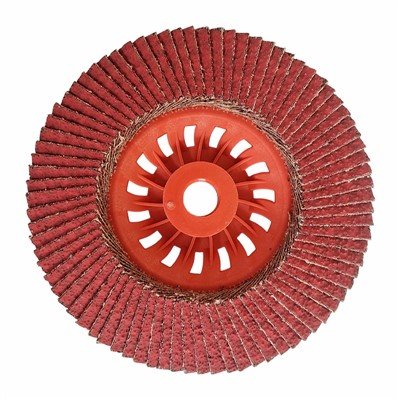
If you are interested in learning more about our cutting wheels and how they can be used for your precision cutting applications, or if you are looking to start a procurement conversation, please feel free to reach out to us. We are eager to discuss your specific requirements and provide you with the best solutions for your precision cutting needs.
Flap Disc References
- "Industrial Cutting Tools Handbook"
- "Materials Science and Engineering in Precision Manufacturing"
- "Advanced Cutting Techniques in Automotive and Aerospace Industries"
Henan Yandisc Hardware Tools Co., Ltd.
Address: Zinan Road, High-tech Industrial Development Zone, Zhengzhou, Henan, China
E-mail: info@yandisc.com
WebSite: https://www.yandisc.com/
