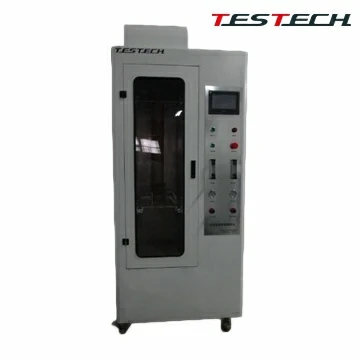
As a supplier of Electronic Component Flammability Testers, I often encounter inquiries from customers about the capabilities of our products. One of the most common questions is whether our testers can assess the flammability of composite electronic components. In this blog post, I will explore this topic in depth, discussing the nature of composite electronic components, the principles behind our flammability testers, and the challenges and opportunities in testing their flammability. Electronic Component Flammability Tester
Understanding Composite Electronic Components
Composite electronic components are made by combining two or more different materials to achieve specific electrical, mechanical, or thermal properties. These materials can include polymers, ceramics, metals, and semiconductors, which are integrated into a single component to enhance performance, reduce size, or improve reliability. Examples of composite electronic components include printed circuit boards (PCBs), multi – layer ceramic capacitors (MLCCs), and integrated circuits (ICs) with plastic packages.
The complexity of composite components lies in their heterogeneous structure and the interactions between different materials. The presence of multiple materials can lead to different ignition behaviors, flame propagation characteristics, and heat release rates compared to single – material components. For instance, a PCB may consist of a fiberglass substrate, copper traces, and solder masks. Each of these materials has its own flammability properties, and their combination can result in a unique flammability profile.
How Electronic Component Flammability Testers Work
Our Electronic Component Flammability Testers are designed based on international standards such as UL 94, IEC 60695, and ISO 1210. These standards define the test methods and criteria for evaluating the flammability of plastic materials and electronic components.
The basic principle behind our testers is to expose the test specimen to a controlled heat source, typically a flame, and observe its behavior. The testers measure parameters such as ignition time, flame spread rate, after – flame time, and after – glow time. Based on these measurements, the component is classified into different flammability ratings, such as V – 0, V – 1, V – 2, HB, etc.
For example, in the UL 94 vertical burn test, a specimen is held vertically and a flame is applied to the lower end of the specimen. The time it takes for the specimen to ignite, the duration of the flame after the ignition source is removed, and whether any burning drips fall from the specimen are all recorded. If the specimen meets the criteria for a V – 0 rating, it means that it has very high flame retardance, with no after – flame time exceeding 10 seconds and no burning drips that can ignite a cotton plug placed below the specimen.
Testing the Flammability of Composite Electronic Components
Testing the flammability of composite electronic components presents several challenges. Firstly, the different materials in the composite may have different responses to the heat source. Some materials may ignite easily, while others may act as a barrier to flame propagation. For example, in a PCB, the copper traces may conduct heat away from the plastic substrate, affecting the ignition and burning behavior of the substrate.
Secondly, the interfaces between different materials in the composite can introduce additional complexity. These interfaces may have different thermal and chemical properties compared to the bulk materials, which can influence flame spread and heat transfer. For instance, the adhesion between a ceramic capacitor and a PCB substrate can affect the way heat is transferred during a fire, potentially changing the overall flammability of the component.
However, our Electronic Component Flammability Testers are capable of handling these challenges. By carefully controlling the test conditions and analyzing the test results, we can accurately evaluate the flammability of composite components. For example, we can adjust the heat source intensity and duration to simulate different fire scenarios. In addition, our testers are equipped with high – precision sensors and cameras to capture detailed information about the ignition and burning process.
Case Studies
To illustrate the effectiveness of our testers in testing composite electronic components, let’s look at some case studies.
Case Study 1: Testing a Printed Circuit Board
A customer wanted to evaluate the flammability of a new PCB design that incorporated a high – density copper layer and a novel flame – retardant plastic substrate. We used our UL 94 vertical burn tester to perform the test. The results showed that the PCB met the V – 1 flammability rating. The copper layer helped to conduct heat away, reducing the after – flame time of the plastic substrate. However, there were some small burning drips that fell during the test, which prevented it from achieving a V – 0 rating.
Case Study 2: Testing a Multi – layer Ceramic Capacitor with a Plastic Package
Another customer was interested in testing the flammability of an MLCC with a plastic package. Our IEC 60695 glow wire tester was used. The test involved applying a heated glow wire to the surface of the component. The results indicated that the plastic package had good glow wire ignition resistance, and the MLCC as a whole met the required flammability standards.
The Importance of Flammability Testing for Composite Components
Flammability testing of composite electronic components is of great importance for several reasons. Firstly, it ensures the safety of electronic products. Electronic devices are used in various environments, and a fire caused by a flammable component can lead to property damage, injury, and even loss of life. By testing the flammability of components, manufacturers can produce safer products that meet regulatory requirements.
Secondly, it helps in product development. Manufacturers can use the test results to optimize the design and material selection of composite components. For example, if a component fails the flammability test, the manufacturer can modify the material composition or the manufacturing process to improve its flame retardance.
Final Thoughts and Call to Action

In conclusion, our Electronic Component Flammability Testers are fully capable of testing the flammability of composite electronic components. Despite the challenges posed by the complexity of these components, our testers use advanced technology and follow international standards to provide accurate and reliable test results.
Building Materials Flammability Tester If you are in the electronics manufacturing industry and need to evaluate the flammability of your composite electronic components, we invite you to reach out to us. Our team of experts can provide you with detailed information about our testers, conduct customized testing services, and help you select the most suitable testing solutions for your products. Don’t compromise on the safety and quality of your electronic components. Let’s start a discussion about your specific needs and find the best way forward together.
References
- UL 94 Standard for Tests for Flammability of Plastic Materials for Parts in Devices and Appliances
- IEC 60695 Fire hazard testing – Part 2 – 13: Glow – wire ignitability test method for materials and products
- ISO 1210 Plastics – Determination of flammability by oxygen index
TESTech Instrument (Suzhou) Technologies
TESTech Instrument (Suzhou) Technologies is one of the most reliable electronic component flammability tester manufacturers and suppliers in China. If you’re going to wholesale durable electronic component flammability tester, welcome to get quotation from our factory. For price consultation, contact us.
Address: 8/F, R&D and Production Workshop No. 5, Jiangsu Guoqian Technology Innovation Industrial Park, 168 Lüliangshan Road, Huqiu District, Suzhou, Jiangsu Province, China
E-mail: sales@testech.com.cn
WebSite: https://www.testechfiretest.com/
