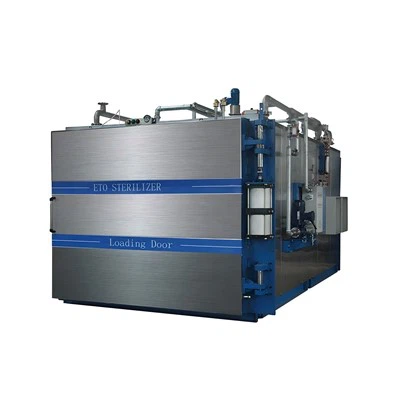
Hey there! I’m a supplier of hospital laboratory EtO sterilizers. Over the years, I’ve dealt with a variety of clients and seen different scenarios regarding the lifespan of these sterilizers. In this blog, I’ll share some factors that can affect how long these EtO sterilizers last in a hospital lab setting. Hospital Laboratory EtO Sterilizers
1. Usage Frequency
One of the most obvious factors is how often the sterilizer is used. In a busy hospital laboratory, the EtO sterilizer might be running multiple cycles every day. Constant use means more wear and tear on the components. For example, the heating elements, which are responsible for maintaining the right temperature during the sterilization process, can degrade faster. The seals and gaskets that keep the chamber air – tight also get a lot of action. Every time the door opens and closes, and the chamber is pressurized and depressurized, these parts are under stress.
On the other hand, if a laboratory has a lower volume of items to be sterilized, the sterilizer won’t be used as often. This gives the components more time to rest between cycles, which can significantly extend its lifespan. I’ve seen some small – scale labs where the sterilizer is only used a couple of times a week, and those machines tend to last much longer compared to the ones in high – volume facilities.
2. Maintenance and Servicing
Proper maintenance is crucial for the long – life of any equipment, and EtO sterilizers are no exception. Regular cleaning of the chamber is a must. Over time, residues from the items being sterilized can build up inside. These residues can not only affect the sterilization process but also cause corrosion to the chamber walls.
Filter replacement is another key aspect. The filters in an EtO sterilizer are designed to trap particles and contaminants. If they’re not replaced on schedule, they can become clogged. A clogged filter can restrict the airflow in the system, which can lead to overheating of the components and eventually, a breakdown.
Scheduled servicing by trained technicians is also vital. They can check the electrical connections, calibrate the sensors, and make sure all the mechanical parts are working smoothly. I always tell my clients that skipping maintenance is like driving a car without ever changing the oil – it’s only a matter of time before something goes wrong.
3. Quality of Installation
The way an EtO sterilizer is installed can have a big impact on its lifespan. If it’s not installed correctly, it can lead to all sorts of problems. For instance, if the ventilation system isn’t set up properly, the ethylene oxide gas, which is used in the sterilization process, might not be removed effectively. This can result in gas leakage, which is not only dangerous but can also corrode the internal components of the sterilizer.
The location of the sterilizer within the laboratory is also important. It should be placed in an area with stable temperature and humidity levels. Extreme temperatures can cause the components to expand and contract, leading to premature wear. High humidity can promote rust and corrosion. I’ve had clients who installed the sterilizer in a corner near a leaky pipe, and within a few months, they started having issues with the electrical components due to moisture damage.
4. Operator Training
Well – trained operators can make a huge difference in the lifespan of an EtO sterilizer. If operators don’t follow the correct procedures, it can lead to unnecessary stress on the machine. For example, incorrect loading of the sterilization chamber can block the airflow or cause uneven distribution of the gas. This can result in incomplete sterilization and also put extra strain on the heating and ventilation systems.
Operators should also be aware of the signs of a potential problem. They need to know when to stop the cycle and call for maintenance. If they keep running the sterilizer when there’s an obvious issue, it can cause further damage. I’ve seen many cases where untrained operators kept pushing the machine beyond its limits, and this led to costly repairs or even the need for a new sterilizer.
5. Quality of the Sterilizer
Last but not least, the initial quality of the sterilizer matters. Cheaper, low – quality models might seem like a good deal at first, but they’re often made with inferior materials and lacking in advanced features. The components in these models are more likely to break down or wear out quickly.
On the other hand, high – quality sterilizers are built to last. They use better – quality materials for the chamber, heating elements, and other parts. They also often come with more advanced controls and safety features, which can help protect the machine from damage. When I’m talking to new clients, I always emphasize the long – term benefits of investing in a high – quality sterilizer, even though it might cost a bit more upfront.
In conclusion, the lifespan of hospital laboratory EtO sterilizers is affected by many factors. Usage frequency, maintenance, installation quality, operator training, and the initial quality of the sterilizer all play a role. By understanding these factors, hospital laboratories can take steps to ensure that their EtO sterilizers last as long as possible.

If you’re in the market for a hospital laboratory EtO sterilizer or want to learn more about how to extend the lifespan of your existing one, don’t hesitate to reach out. We can have a chat about your specific needs and help you make the best decision.
Scrubber References
- "Guidelines for the Use of Ethylene Oxide Sterilizers in Healthcare Facilities" – Healthcare Infection Control Practices Advisory Committee
- "Maintenance and Troubleshooting of Medical Sterilization Equipment" – American Society for Healthcare Engineering
Hangzhou Riches Engineering Co., Ltd.
Hangzhou Riches Engineering Co., Ltd. is one of the most professional hospital laboratory eto sterilizers manufacturers and suppliers in China, specialized in providing high quality custom service and ODM service. We warmly welcome you to buy high-grade hospital laboratory eto sterilizers for sale here from our factory.
Address: No. 368, Wenjiao Road, Fuyang District, Hangzhou
E-mail: jason@riches-company.com
WebSite: https://www.eto-sterile.com/
