Winding flat wire with a non – linear core is a specialized process that requires a deep understanding of both the materials and the technique involved. As a provider of flat wire winding services, I’ve encountered numerous challenges and found innovative solutions to achieve optimal results. In this blog post, I’ll share some insights on how to wind flat wire with a non – linear core effectively. Flat Wire Winding
Understanding the Basics
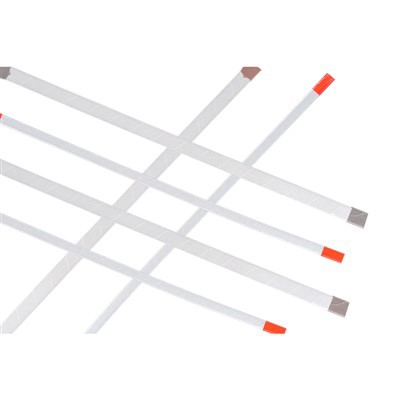
Before delving into the winding process, it’s crucial to understand the characteristics of flat wire and non – linear cores. Flat wire, also known as rectangular wire, offers several advantages over traditional round wire. It has a larger surface area, which allows for better heat dissipation and lower AC resistance. This makes it ideal for applications where high power density and efficiency are required, such as in electric vehicles, high – frequency transformers, and industrial motors.
Non – linear cores, on the other hand, have a magnetic permeability that varies with the magnetic field strength. This property is essential for applications like inductors in switching power supplies, where the core needs to handle different levels of magnetic flux without saturating easily. Examples of non – linear core materials include ferrite, powdered iron, and amorphous metals.
Preparing the Materials and Tools
The first step in winding flat wire with a non – linear core is to gather all the necessary materials and tools. You’ll need high – quality flat wire of the appropriate dimensions, a non – linear core with the right shape and magnetic properties, and any insulating materials required to prevent short – circuits.
When selecting the flat wire, pay attention to its thickness, width, and insulation type. The thickness and width will determine the wire’s current – carrying capacity and resistance, while the insulation should be able to withstand the operating temperature and voltage of your application.
For the non – linear core, choose a material and shape that are suitable for your specific requirements. For instance, if you need a core with high magnetic permeability at low frequencies, ferrite might be a good choice. If you require a core that can handle high – frequency signals, powdered iron or amorphous metal could be more appropriate.
In addition to the materials, you’ll need some basic tools for the winding process. These include a winding machine, which can be either manual or automated, depending on the scale of your production. A tensioning device is also essential to ensure that the flat wire is wound tightly and evenly around the core. Other tools such as wire cutters, pliers, and soldering equipment may also be required for finishing the winding.
Designing the Winding Pattern
The winding pattern plays a crucial role in determining the performance of the final product. When winding flat wire with a non – linear core, you need to consider factors such as the number of turns, the direction of winding, and the spacing between the turns.
The number of turns will depend on the desired inductance or voltage transformation ratio of your application. Generally, increasing the number of turns will increase the inductance, but it will also increase the resistance and the size of the coil. Therefore, it’s important to find a balance between these factors based on your specific requirements.
The direction of winding can also affect the performance of the coil. In some cases, a single – layer winding may be sufficient, while in others, a multi – layer winding may be required to achieve the desired inductance. When using a multi – layer winding, it’s important to ensure that the turns are properly insulated to prevent short – circuits between the layers.
The spacing between the turns is another important consideration. A larger spacing can reduce the capacitance between the turns, which is beneficial for high – frequency applications. However, a larger spacing may also increase the magnetic leakage and reduce the overall efficiency of the coil. Therefore, you need to choose the spacing carefully based on your application requirements.
The Winding Process
Once you’ve prepared the materials and designed the winding pattern, you can start the winding process. The following steps outline a general procedure for winding flat wire with a non – linear core:
- Mount the core: Secure the non – linear core on the winding machine. Make sure it is properly aligned and fixed to prevent any movement during the winding process.
- Thread the wire: Pass the flat wire through the tensioning device and then through the guides on the winding machine. Make sure the wire is properly tensioned to ensure a tight and even winding.
- Start winding: Begin winding the flat wire around the core according to the designed winding pattern. If you’re using an automated winding machine, you can program the machine to wind the wire with the desired number of turns, direction, and spacing. If you’re using a manual winding machine, you’ll need to carefully control the speed and tension of the wire to achieve a consistent winding.
- Insulate the layers: If you’re using a multi – layer winding, apply an insulating material between the layers to prevent short – circuits. This can be done using adhesive tapes, varnishes, or other insulating materials.
- Terminate the wire: Once the winding is complete, cut the wire and terminate it using soldering or other appropriate methods. Make sure the terminations are secure and properly insulated.
- Test the coil: After the coil is finished, test its electrical properties using appropriate testing equipment. This will help you ensure that the coil meets the desired specifications and perform any necessary adjustments.
Troubleshooting Common Issues
During the winding process, you may encounter some common issues such as uneven winding, short – circuits, or excessive resistance. Here are some tips on how to troubleshoot these issues:
- Uneven winding: If the winding is uneven, check the tensioning device to ensure that the wire is being pulled evenly. You may also need to adjust the guides on the winding machine to ensure that the wire is properly aligned.
- Short – circuits: Short – circuits can occur if the insulation between the turns or layers is damaged. Inspect the coil carefully for any signs of insulation damage and repair it using appropriate methods. You may also need to use a higher – quality insulating material to prevent future short – circuits.
- Excessive resistance: Excessive resistance can be caused by a variety of factors, such as a narrow wire cross – section, poor wire quality, or a loose connection at the terminations. Check the wire dimensions and quality, and ensure that the terminations are secure.
Quality Control and Assurance
Quality control is an essential part of the flat wire winding process. To ensure the quality of your coils, you should implement a comprehensive quality control program that includes the following steps:
- Incoming inspection: Inspect all incoming materials, including the flat wire and the non – linear core, to ensure that they meet the specified requirements.
- Process control: Monitor the winding process to ensure that it is carried out according to the established procedures and specifications. This includes checking the tension, speed, and alignment of the wire during the winding process.
- Final testing: Test the finished coils to ensure that they meet the desired electrical and mechanical properties. This can include testing the inductance, resistance, capacitance, and insulation resistance of the coils.
- Documentation: Keep detailed records of the winding process, including the materials used, the winding pattern, and the test results. This will help you track the quality of your products and identify any potential issues.
Conclusion
Winding flat wire with a non – linear core is a complex process that requires a combination of technical knowledge, experience, and attention to detail. By understanding the basics of flat wire and non – linear cores, preparing the materials and tools properly, designing the winding pattern carefully, and following the correct winding process, you can achieve high – quality coils that meet the specific requirements of your applications.
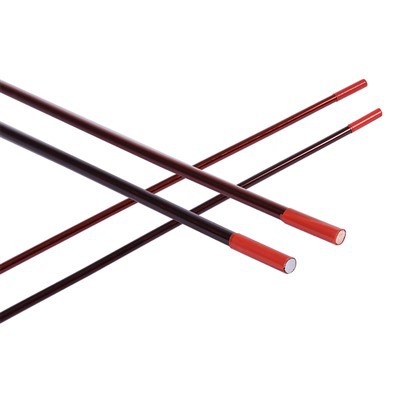
At our company, we specialize in providing high – quality flat wire winding services. Our team of experienced engineers and technicians has the expertise to handle a wide range of applications, from small – scale prototypes to large – scale production runs. We use state – of – the – art equipment and strict quality control measures to ensure that our products meet the highest standards.
Flat Litz Wire If you’re looking for a reliable flat wire winding supplier, contact us today. We’ll be happy to discuss your requirements and provide you with a customized solution that fits your needs. We look forward to working with you!
References
- Grover, F. W. (1946). Inductance Calculations: Working Formulas and Tables. D. Van Nostrand Company.
- Miles, J. W. (2004). Transformers and Inductors for Power Electronics: Theory, Design, and Applications. Elsevier.
- Wang, Z., & Zhu, Z. Q. (2014). Electric Machines and Drives: A First Course. Wiley.
Tianjin Jingwei Power Technology Co., Ltd.
As one of the most professional flat wire winding manufacturers and suppliers in China, we’re featured by quality products and good service. Please rest assured to buy durable flat wire winding made in China here from our factory. Contact us for more details.
Address: No.1 Chuangxin Rd. Xiaozhan Industrial Park, Jinnan District, Tianjin, China
E-mail: info@jwdc.cn
WebSite: https://www.jw-dcs.com/
