If you’ve ever walked past a construction crew at dusk, waited for a friend at a dark bus stop, or jogged on a neighborhood street after the sun went down, you’ve probably glanced at something that made you go, “Wait, what’s that weird shiny stuff?” Chances are, that’s reflective fabric. I’ve been in the reflective fabric game for over 10 years now, and let me tell you—this stuff isn’t just some random shiny plastic they throw on safety vests. It has a wild, messy, kind of cool history that no one really talks about. Let’s break it down, no boring textbook jargon, just the real story behind the stuff that keeps you (and millions of others) from getting hit by cars. Reflective Fabric

First off, let’s get one thing straight: reflective fabric as we know it didn’t start with some lab guy in a white coat in the 1900s. It started with a guy named Richard Hollins, a British engineer, back in the 1930s. Wait, no, actually—wait, there’s an even earlier random ancestor. Let’s rewind to 1920s road safety. Back then, road signs were just painted wood or metal, and they were basically invisible after dark if you didn’t have headlights. Someone (I think a highway worker in Ohio, of all places) glued tiny glass beads onto sign posts to make them bounce car headlights back toward drivers. That was called retroreflection, and it’s the exact same magic that makes your high school stadium’s track and field reflect sunlight, or that vest you wear for running work. But that was 1920s signs, not fabric. That’s the key difference here—signs are stationary; fabric is flexible, which is why it’s game-changing.
Hollins, the British guy, figured out in 1934 that if he could take those same glass beads and stick them to a flexible backing (like a cotton or wool cloth, the stuff people actually wear), he could make wearable reflective stuff. At first, it was garbage. The beads would fall off in the rain, the backing would tear if you so much as leaned on a fence, and it was so stiff you couldn’t bend it enough to sew it onto actual clothes. He sold this to the British military for a while—during WWII, pilots and tank crew wore small reflective patches so rescue teams could find them in the dark after crashes. That was the first real use of reflective fabric, but it was still way too clunky for everyday people.
The big turning point? 1960s. The US was obsessed with space and civil rights, and highway safety was blowing up because more people had cars and commuting after dark was becoming normal. A company called 3M (you’ve definitely heard of them—they make everything from Post-its to band-aids) decided to crack the reflective fabric problem. Their lab guys messed around for years, and in 1968, they came out with something called Scotchlite Reflective Material. This wasn’t the glass bead mess Hollins had. They did a new trick—instead of glass beads on the surface, they used tiny, cube-shaped mirrors (called corner cubes) that were embedded into the fabric. That’s why it’s way shinier and way more durable. A quick side note: I used to see 3M’s old ads back in the 90s that claimed their fabric could reflect 80% of car headlights back to drivers—whoa, that’s a lot more than the old glass bead stuff, which was like 10%.
But here’s the thing no one talks about: 1968 was also when reflective fabric stopped being just for the military and construction. The US Department of Transportation (DOT) made it a rule that all road crew workers had to wear reflective vests after dark, and joggers started buying cheap reflective wristbands because people were realizing “wait, I can actually be seen after the sun goes down.” For the first time ever, regular people didn’t have to rely on wearing white (which is barely reflective) to stay safe.
By the 1980s, reflective fabric went from being a safety tool to a fashion thing. Remember those neon 80s jackets? A lot of them had tiny reflective strips sewn into them, and teens would add reflective tape to their backpacks or jeans to stand out. It was the same retroreflective stuff that kept construction guys safe, but now it was a trend. I remember in high school, I had a pair of neon pink jeans with a reflective stripe down the side, and my friends would scream when a car’s headlights hit them—you’d see that bright pink glow from 100 feet away. That’s when I first realized this stuff wasn’t just boring safety gear; it was actually cool, weirdly enough.
The 90s brought more tech. Companies (including the one I work for now) started messing with different backing materials—polyester became the go-to instead of cotton, because polyester is water-resistant, doesn’t shrink, and is way softer to wear. We also figured out how to make reflective fabric in all kinds of colors, not just silver or white. Red, blue, yellow, even black—wait, black reflective fabric is genius, right? Because it looks like regular black clothes in the daytime, but at night, you can still see it. Perfect for people who don’t want to wear bright neon all the time but still want to stay safe.
Now, let’s talk about the science part, because I get questions all the time from customers: How does this stuff actually work? Let’s keep it simple, no fancy physics terms. Retroreflection is the key. Normal surfaces reflect light in all directions—like if you shine a flashlight at a wall, the light goes every which way, so someone standing next to you barely sees it. But retroreflectors bounce light straight back to where it came from. So if a car’s headlights are on, the light hits the reflective fabric, bounces directly back to the driver’s eyes, so the driver sees a bright spot that says “HEY, THERE’S A PERSON RIGHT HERE, DON’T HIT THEM.”
For the old glass bead stuff (still used in cheap wristbands, by the way), each tiny bead acts like a tiny magnifying glass. Light goes through the bead, hits a dark backing behind it, bounces straight back. The problem is, if it’s raining or dirty, the beads get covered in gunk, and they stop working. The cube mirror stuff (what we use at our company) is way better—each little cube is a 90-degree angle, like the corner of a box, so no matter what angle the light comes from, it bounces straight back. And it’s way more durable—you can wash it dozens of times, scrub it, even run it over with a car a few times (don’t test that, but it’s way tougher).
Now, where are we at today? Reflective fabric is everywhere. Construction workers, delivery drivers, cyclists, joggers, even kids walking to school at dawn. But it’s not just for safety anymore. Brands like Supreme, Adidas, and even Patagonia use reflective fabric in streetwear and outdoor gear because it looks cool and it’s functional. I’ve seen reflective fabric on everything from soccer cleats to dog collars to wedding dresses (yes, wedding dresses—brides want to be safe walking down a dark aisle!). The coolest part is that now there’s even reflective fabric that glows in the dark during the day, or changes color when it gets cold—we’ve been testing that at our warehouse for the last year, and it’s wild.
Wait, but let’s get real for a second. A lot of people think all reflective fabric is the same, but it’s not. There’s cheap stuff made in China that falls apart after one wash, doesn’t reflect half as well, and can even be toxic. Then there’s premium stuff like 3M’s Scotchlite, but that’s expensive. That’s where our company comes in—we make high-quality reflective fabric that’s durable, washes well, and has the same level of reflection as the premium stuff, but without the crazy markup. We work with small brands, big construction companies, even custom apparel makers, and we’ve seen how this stuff changes lives. Last year, a customer of ours who makes reflective dog collars told us their product helped save a golden retriever that got lost in the woods at night—someone drove by, saw the bright reflection, and found the dog before it got hurt. That’s the stuff that makes doing this job worth it.
Now, a quick history check to make sure I didn’t skip anything. Before Hollins’ 1934 invention, there were random uses of reflective materials—like firemen’s helmets in the 1910s that had small silver strips, but that was more decoration than function. The 1950s saw some experimental reflective fabric for highway workers, but it was still too flimsy to use every day. The 1970s was when reflective fabric became mandatory for commercial truck drivers, which made the roads way safer. The 2000s brought stretchable reflective fabric for workout clothes, which was a game-changer for runners who didn’t want stiff, uncomfortable fabric.
So next time you see someone in a reflective vest, or a runner with a reflective armband, or even a stylish jacket with a reflective stripe, just think about the random history of this stuff. It started with a British engineer messing with glass beads, got turned into retroreflective tech by 3M, went from military use to construction to fashion, and now it’s everywhere. And it’s not just shiny plastic—it’s a safety tool that’s saved thousands of lives over the last 90 years.
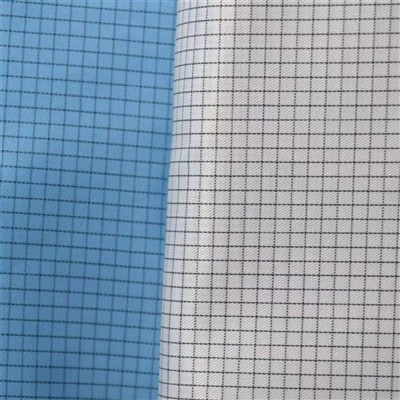
If you’re reading this and you need reflective fabric for your next project—whether you’re making construction vests, custom sportswear, pet gear, or whatever else—hit us up for a quote or to chat about your needs. We work with all kinds of clients, from small startups to big corporations, and we’ll make sure you get the right fabric for your budget and your project. Don’t settle for cheap, flimsy reflective stuff—let’s make something that’s safe, durable, and works for you.
Tent Fabric References:
- The History of Reflective Materials, National Highway Traffic Safety Administration
- Scotchlite Reflective Material: 50 Years of Innovation, 3M Corporate Archives
- Wearable Reflective Technology: A Review of Safety Applications, Journal of Occupational and Environmental Safety
- Reflective Fabric in Fashion: From Utility to Street Style, Fashion Studies Journal
- Early Road Safety Innovations: Glass Bead Reflectors, Ohio Department of Transportation Historical Archives
Wujiang Jiashunxin Spray Weaving Co., Ltd.
As one of the most professional reflective fabric manufacturers and suppliers in China, we’re featured by quality products and good service. We warmly welcome you to wholesale bulk customized reflective fabric from our factory. If you have any enquiry about free sample, please feel free to email us.
Address: Xingli New Village, Lili Town, Wujiang District, Suzhou City, Jiangsu Province
E-mail: xuzhiqiang20260525@163.com
WebSite: https://www.shunbangfabric.com/
