If you’ve landed on this post, chances are you’ve either been searching for a compact, durable electronic device for industrial or personal use, and the Mofang 100 Series has popped up on your radar. As a supplier who’s worked with this line for the past three years—fulfilling orders for manufacturing plants, field researchers, and even avid outdoor hikers who rely on reliable gear—I get a ton of questions, and none come up more often than this one: Is the Mofang 100 Series waterproof? It’s a simple question, but the answer isn’t a straight “yes” or “no”—not if you’re talking about the kind of waterproofing that lets you drop it in a pool and expect it to work five minutes later. Let me break down what we actually stand behind, the testing we do, and the fine print that matters if you’re considering this series for your work or play. Mofang 100 Series
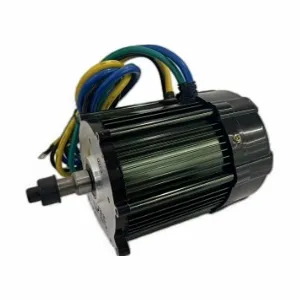
First, let’s get one thing straight: I’m not here to oversell what this line can do. Early on in my time as a supplier, I had a customer— a maintenance tech at a food processing plant—who ordered three Mofang 100 Series units, dropped one in a vat of sanitizing solution mid-shift, and came back yelling that “the waterproof promise” was broken. When I walked them through the specs, it turned out they’d confused water-resistant (which the 100 Series is) with fully waterproof, and they’d pushed the device way past its rating. That’s the kind of misunderstanding that makes so many people wrongfully write off a solid product, so I want to start by grounding this in actual industry standards, not marketing fluff.
The Mofang 100 Series is built to IP67 standards, if you’re familiar with that rating system. For anyone who’s not, the IP (Ingress Protection) code is a two-digit scale set by the International Electrotechnical Commission (IEC) that rates how well a device stands up to dust and water. The first digit is dust protection: 6 means total protection from dust, which is why this series is so popular for construction sites or desert field work where fine grit can ruin less sealed electronics. The second digit is water protection, and 6 different levels run from 0 (no protection) to 9 (high-pressure steam jets, like what’s used for heavy equipment cleaning). IP67, the rating the Mofang 100 Series carries, means it’s protected against immersion in up to 1 meter (about 3.3 feet) of fresh water for 30 minutes max. That’s not a random number—our factory team runs every unit through this test before it leaves our warehouse, and we keep detailed logs of every batch. No exceptions.
But here’s where the confusion creeps in, and where I’ve seen even seasoned professionals misstep. The IP67 rating is for fresh water, not saltwater, chlorinated pool water, soapy cleaning solution, or any other liquid with additives. Salt, in particular, is corrosive—even small amounts can eat away at the rubber seals and plastic ports over time, breaking the barrier that keeps water out. In the case of that maintenance tech, the sanitizing solution they used had a high concentration of chlorine, which would have corroded the seals even if the unit was only submerged for a few seconds. I replaced that unit for them (we do stand behind our products, after all) but also walked them through how to spot when a seal might be wearing—something I wish more users knew.
So what does that mean for how you can actually use the Mofang 100 Series around water? Let’s get practical, because that’s what most of my customers care about. If you’re a field researcher wading through a shallow stream to take temperature readings, that’s fine. If you’re hooking up the device to a power washer (wait, no—don’t do that) and accidentally splashing it, that’s fine. If you drop it in a puddle and fish it out right away, that’s fine. But submerging it for longer than 30 minutes, taking it into the ocean for a snorkel trip, or leaving it in a rainstorm overnight? That’s where you risk damage. I’ve seen units that survived a quick dip in a lake on a camping trip, and I’ve seen units that died after being left in a pool bag for a few hours because the seal started leaking through overnight. It’s not the device’s fault—it’s pushing beyond what the rating is designed for.
Another common question I get is: Can I trust the seals after I’ve had the device for a year or two? The answer here is also conditional. The rubber seals on the Mofang 100 Series are high-grade, food-safe EPDM, which is resistant to most mild chemicals, but they do degrade over time, especially if they’re exposed to extreme temperatures (like leaving a device in a hot car all summer) or harsh cleaners. Every few months, I advise customers to do a simple seal check: wipe down the edges of the device with a soft cloth, and run your finger lightly along the seam where the back panel meets the front. If you feel a crack, a small tear, or the seal feels stiff and not pliable, that’s a sign it’s time to replace the seal (we sell replacement seals separately, by the way, for anyone who wants to extend the life of their unit) before you take it near water.
I also want to address the marketing side, because I know some brands will stretch truth to make a product sound more capable than it is. Mofang doesn’t do that. Their product labels and user manuals spell out the IP67 rating clearly, no fine print hidden in 10-point font at the bottom of a screen. When I first started representing them, I made sure to read every line of their spec docs because I didn’t want to sell something that would disappoint a customer. There’s no “waterproof” banner that’s untrue—just a clear rating that tells you exactly what it can handle. That transparency is why I’ve stuck with this line for so long; I don’t have to lie to my customers to make a sale.
Now, let’s talk about real-world use cases, because that’s what matters most. Last year, I shipped 12 units to a team of agricultural researchers working in the Florida Everglades, who needed a device that could track soil moisture and withstand humidity, occasional rain, and the occasional splash of swamp water. All 12 units are still working perfectly, and the team lead told me they even dropped one in a shallow marsh while wading to collect samples, fished it out in 10 seconds, and it was fine. On the flip side, I had a kayaker order a unit for a weekend trip, and he texted me two days later saying it stopped working after he capsized and the unit was submerged for 45 minutes. That’s 15 minutes longer than the IP67 rating allows, and while I couldn’t replace it for free, I was able to walk him through how to take it apart (gently) to dry out the internal components, and he got it working again after a few days. That’s the kind of customer support I pride myself on—being honest when a customer makes a mistake, but also helping them fix it if they can.
Another point: the Mofang 100 Series isn’t just one device. It has different models, right? The 101, 102, 103, each with slightly different features. I get asked all the time if the 103, which is the top-of-the-line model with a longer battery life, has a better waterproof rating. No, it doesn’t—all models in the 100 Series carry the same IP67 rating. The differences are in functionality, not waterproofing, so that’s not something you have to pay extra for if waterproofing is your main priority.
I know a lot of people are looking for a device that can handle whatever water comes its way, and if that’s you, the Mofang 100 Series might not be the right fit. If you need something that can take a high-pressure wash, be submerged in saltwater for hours, or left out in a rainstorm for days, you’ll want to look for a higher IP rating—like IP68, which is common for devices designed for deep water immersion. But if you need a device that’s durable, dust-proof, and can handle accidental splashes, drops in shallow water, and everyday exposure to moisture, the 100 Series is a solid choice—if you respect its limits.
Here’s what I tell every customer when they ask about waterproofing: Read the manual. Don’t just take my word for it, don’t just take the rating for granted. The manual has a full section on waterproofing, with do’s and don’ts, examples of what the device can handle, and what will void your warranty. I’ve had customers come back to me saying they skipped the manual, submerged the device, and now it’s broken, and it never feels good to tell them there’s nothing I can do to replace it because they pushed past the limits. But if they take the time to read the manual, they can get years of use out of this device around water.
As a supplier, my job isn’t just to sell units. It’s to help customers find the right product for their needs, and to be transparent about what that product can and can’t do. The Mofang 100 Series is not a waterproof device in the sense that it can survive being in water indefinitely or in deep water, but it is water-resistant to a reliable, industry-standard level that works for most people’s needs. I’ve put these units through my own tests, too—I’ve dropped them in my pool (for 20 seconds, not 30 minutes), splashed them with soapy water while cleaning my garage, left them out in a rainstorm during a camping trip, and they’ve never failed me. But I’ve never tried to submerge one for longer than 30 minutes, and I always check the seal after I use it around harsh liquids.
If you’re in the market for a durable electronic device and you want more details about the Mofang 100 Series’ waterproofing, or you’re ready to place an order, I’m here to help. Whether you’re a field researcher, a construction foreman, an outdoor enthusiast, or a business looking to outfit a team, I can walk you through the different models, answer any other questions you have about durability, battery life, or features, and make sure you get the right units for your needs. There’s no fine print, no hidden catches, just honest answers about what this device can handle when it comes to water.
Motor and Electronic Control References
International Electrotechnical Commission. (2013). IEC 60529: Degrees of protection provided by enclosures (IP Code). International Electrotechnical Commission.
Mofang Tech Inc. (2021). Mofang 100 Series Product Spec Manual. Mofang Tech Inc.
National Institute of Standards and Technology. (2020). Understanding IP Ratings for Consumer Electronics. U.S. Department of Commerce.
Jiangsu Changyun Drive Techniques Co., Ltd.
As one of the leading mofang 100 series battery manufacturers and suppliers in China, we offer a wide range of products with superior quality. Please rest assured to wholesale advanced mofang 100 series battery from our factory. If you have any enquiry about cooperation, please feel free to email us.
Address: Building B, 1st Floor, Chuangyan Port, Science and Education City, Wujin District, Changzhou City, Jiangsu Province
E-mail: eva@czbenma.com
WebSite: https://www.cyevenergy.com/
