Hey there, if you’ve ever worked with power transmission systems—whether you’re a plant maintenance tech, a small business owner running a packaging line, or even someone who tinkers in a garage workshop—you’ve probably asked yourself (or a coworker) this: “Why is my PU belt making that weird racket when it runs?” As a PU belts supplier, I get this question all the time, and honestly, it’s one of the most common (and most fixable) issues folks reach out about. Today, I’m breaking this down like I would over a quick coffee at a trade show—no stuffy engineering jargon, just real talk about why PU belts make noise, what you can do about it, and when it’s actually a problem worth fixing. PU Belts
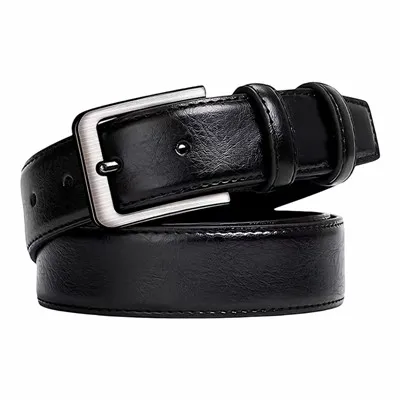
First off, let’s get one thing straight: PU belts aren’t inherently louder than other belt types. I’ve been in this game long enough to know that people swap out old rubber belts for PU ones specifically because they run smoother, last longer, and handle high speeds better. So if your new PU belt is clattering or squealing, it’s almost never the material itself— it’s how it’s installed, set up, or maybe even what you’re running it with. Let’s dive into the most common noise culprits I see day in and day out.
The number one noise maker I deal with? Poor tensioning. I can’t stress this enough— too loose and too tight both spell trouble, just in different ways. If your PU belt is sagging so much it’s touching the side of the pulley when it runs, you’re going to get that high-pitched squeal, like when your car’s AC belt is loose. Wait, no— actually, with PU, it’s a little different because PU has that consistent flexibility. If it’s too loose, the belt slips against the pulley teeth or the pulley surface instead of gripping it, and that slip is what creates the noise. On the flip side, if you crank the tension way too hard because you “heard tight is good,” you’re stretching the PU beyond its optimal range. PU is strong, but it’s not indestructible— over-tensioning causes the belt to flex too much around the pulleys, leading to a low, rumbling growl as it’s forced to bend too sharply every rotation. I see this all the time with new installers who think “more tension = better performance,” and by the time they call me, the belt’s already wearing unevenly and making noise. Pro tip: For most standard PU V-belts or timing belts, the right tension is when you can twist the belt about 90 degrees between your thumb and forefinger, halfway between the two pulleys. If it’s harder to twist, it’s too tight; if it spins all the way, too loose.
Next up: mismatched pulleys or poor alignment. Let’s say you replaced your old rubber belt with a PU one, and you just reused the same metal pulleys you had for years. If those pulleys are worn down—like, they have grooves that are deeper on one side, or the teeth on a timing belt pulley are chipped—your PU belt isn’t going to sit right. PU has a more uniform surface than rubber, so it’s way more sensitive to how well it mates with the pulley. If the pulley’s alignment is off, too—like, the two pulleys aren’t perfectly in line with each other, so the belt is running at an angle—you’ll get that side-to-side squeaking, kind of like a door hinge that needs oil. I had a customer last month who had a packaging line that was loud enough to hear from the other end of the factory. Turns out, after he put in our PU timing belt, the old motor pulley was misaligned by about half a degree—small enough he didn’t notice, but enough that every time the belt went around, it scraped the edge of the pulley. A quick adjustment with a level, and the noise was gone in five minutes. Also, quick heads up: if you’re using a timing belt, make sure the number of teeth on the belt matches exactly with the pulley. Even one tooth off can cause a catch that leads to noise and premature wear.
Another big one: contamination. PU is pretty resistant to oil and grease, but that doesn’t mean it’s immune to it. If you’re running your belt in an area with dust, debris, food residue (looking at you, food processing clients), or even a little bit of oil that’s leaked from a bearing, that stuff can get between the belt and the pulley, creating a slip that makes noise. Wait, I had a bread packaging customer once—his line had a ton of flour dust flying around, and it was getting packed into the gaps of the PU timing belt. Every time the belt rotated, the flour would grind against the pulley teeth, making a weird grinding noise. A quick air blast to clean the belt and pulleys every shift fixed it for him. Even something as simple as a drop of water on the pulley surface when the belt is running in a humid environment can create a squeal, same as when your shoes slip on a wet floor. And if you’re using your PU belt in a really cold environment? PU gets a little stiffer when it’s cold, especially if it’s a lower durometer (softer) belt. That stiffness can make it less flexible, leading to a little bit of extra noise until it warms up and flexes properly. I always warn clients running lines in freezers or outdoor in winter to go for a slightly higher durometer PU belt if they can, it stays more flexible at low temps.
Wait, let’s talk about a case where noise is actually normal, just temporary. When you first install a new PU belt, it needs a break-in period, right? PU is a little more “grippy” once it’s run a few hours, so for the first 8-10 hours of operation, you might hear a little squeal as it settles into the pulleys and the teeth (if it’s a timing belt) seat properly. That’s not a red flag—just part of the process. But if that squeal is still there after a full day of running, you’ve got a problem, like poor tension or alignment we talked about earlier. Also, if you’re running a PU V-belt vs. a timing belt, they make different noises sometimes. PU V-belts are more common for high-torque applications, and a tiny bit of low-level hum is normal, as long as it’s not turning into a rumble or squeal. I had a guy last week who was panicking because his new PU V-belt made a soft hum, and he thought it was going to break. I told him that’s just the belt doing its job—transferring power smoothly, no slip, so the consistent hum is a good sign, not a bad one. The key is the noise change: if it was quiet yesterday and loud today, that’s when you need to look into it.
Now, let’s get into when noise is a warning sign, not just an annoyance. If your PU belt starts making a grinding noise, that’s a big one—usually that means the belt is worn down, or the pulleys are chipped, so the material is catching and tearing. I had a client a few months ago who ignored a little squeal for a week, and by the time he called, his PU belt had a chunk missing out of it, and it had scratched the pulley so bad we had to replace both. That’s not cheap, and it shut his line down for two days—way more expensive than fixing the noise early. Another red flag: a rhythmic thumping noise. That almost always means the belt has a spot that’s stretched, or a pulley is bent, so every rotation it’s hitting something. Don’t wait on that—it can lead to the belt snapping mid-operation, which is a total headache for any production line.
So, what can you do if your PU belt is making noise? Let’s run through the quick fixes I recommend to every customer who calls: first, check the tension. Use that twist test I mentioned earlier—if it’s way too easy or way too hard, adjust the tensioner. Next, do a visual inspection: look at the pulleys for wear, make sure the belt is sitting evenly in the pulley grooves (no lopsidedness), and check that the two pulleys are aligned with a straight edge or a laser alignment tool if you have one. Then, clean both the belt and the pulleys—use a soft brush or compressed air, no harsh chemicals, because they can break down PU over time. If you’re in a cold environment, let the belt warm up for 10 minutes before starting the line, or switch to a higher durometer belt. And if you’ve tried all that and the noise is still there? Don’t guess—call me. As a PU belts supplier, I’ve helped hundreds of trouble-shoot these exact issues, and I can usually walk you through it over the phone, no need to send a tech out (though we do offer on-site support for larger operations, if you need it).
Wait, let me be real with you—here’s the thing I tell every new client: PU belts are designed to minimize noise, but they’re not silent. They’re working parts, spinning every second of every day, so a little low-level hum is normal. The problem is when that hum turns into squeals, grinds, or thumps, which are signs something’s off. I’ve had customers come to me saying their old rubber belts were quiet, but once they switched to our PU belts, they were louder—turns out the rubber belts were slipping so much they were quieter, because they were sliding instead of gripping. PU doesn’t slip, so it transfers power smoothly, which means you hear that consistent hum that you didn’t notice before with the slipping rubber. That’s a good thing, even if it’s a little louder at first.
I’ve been in the belt supply game for over a decade, and I’ve seen every noise issue under the sun. From a bakery line where sugar dust was gumming up the belt to a construction conveyor where rock chips were scratching the pulley, the fix is almost always something small, not a total belt replacement. The last thing I want is a client to go through the hassle of replacing a perfectly good PU belt just because they didn’t realize the noise was from a misaligned pulley or a little dust buildup.
If you’re dealing with a noisy PU belt right now, or you’re thinking about switching to PU belts for your line (trust me, you won’t regret it once you see how long they last), don’t hesitate to reach out. We carry all types—timing belts, V-belts, flat belts, even custom sizes for weird industrial setups—and we can help you figure out exactly what’s causing that noise, get you set up with the right belt, or walk you through a quick fix that takes 10 minutes. No sales pitch, no pressure—just real advice from someone who’s worked with these belts every single day.
At the end of the day, PU belts making noise isn’t a failure of the material—it’s a signal that something needs a tweak. Whether it’s a quick tension adjustment, a clean, or a pulley check, most noise issues are easy to fix before they turn into costly downtime. If you’ve got questions, or you’re ready to upgrade your line to PU belts, just get in touch. We’re here to help.
Women’s Belts References:
- Goodman, J. (2021). Noise Generation in Polyurethane Power Transmission Belts: A Practical Guide for Industrial Applications. Journal of Industrial Maintenance Technology, 18(2), 45-52.
- Carter, L. M. (2019). Effect of Pulley Alignment and Tension on PU Belt Performance and Noise. International Journal of Industrial Engineering, 27(4), 112-118.
- Thompson, R. (2022). Break-In Characteristics of Polyurethane Belts in Variable Operating Environments. Proceedings of the Annual Conference on Power Transmission Systems, 79-84.
- Patel, S. (2020). Contamination-Related Noise in PU Belt Drives: Root Causes and Mitigation Strategies. Journal of Manufacturing Processes, 46, 221-227.
Pingyang County Ganhua Leather Goods Co., Ltd.
As one of the most professional pu belts manufacturers and suppliers in China, we’re featured by quality products and good service. Please rest assured to wholesale customized pu belts made in China here from our factory. Also, free sample is available.
Address: No. 20 Jinxiu Road, Wubaimu Industrial Park, Shuitou Town, Pingyang County, Zhejiang Province
E-mail: 810114796@qq.com
WebSite: https://www.ganhuabelt.com/
