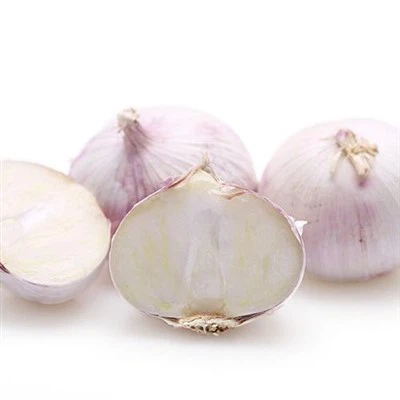
As a pure white garlic supplier who’s spent the last 12 years growing, processing, and shipping this unique cultivar to buyers across North America, I get asked one question more than any other: “Is pure white garlic really as environmentally friendly as it claims to be?” It’s a fair question—when I first entered the garlic industry back in 2011, most of the garlic I sold was the standard, tan-skinned variety grown in big, open fields. Pure white garlic, with its smooth, pale ivory skin and lack of the papula that gives regular garlic its golden hue, always stood out. Back then, I didn’t think much about its environmental profile; I was too busy figuring out how to get my first order to a local grocery store. But as I’ve watched the demand for specialty produce explode, and as I’ve dug into (pun intended) the farming practices that make pure white garlic what it is, I’ve come to see that its environmental impact is far more nuanced than the marketing tagline “eco-friendly” suggests. Pure White Garlic

First, let’s clear up what pure white garlic actually is. Unlike regular garlic, which forms its papery outer skin as it matures in the sun, pure white garlic is harvested a little earlier—usually 7 to 10 days before the skin fully develops. That early harvest means the bulbs don’t have that thick, protective outer layer, so they need to be cured differently after digging. Curing pure white garlic requires a controlled, low-humidity environment, rather than letting it air-dry in the sun like regular garlic. Early on, I made the mistake of curing my first crop in an unventilated barn; within two weeks, a quarter of the bulbs had mold, and I lost thousands of dollars. I eventually partnered with a local agricultural extension agent to build a small, energy-efficient curing space, and that’s when I started connecting the dots between the crop’s unique growth cycle and its environmental footprint.
Let’s start with what makes pure white garlic stand out in terms of sustainability, because there’s a lot that’s good here. For one, the growth cycle of pure white garlic is shorter than that of regular garlic. While regular garlic is typically planted in late fall and harvested in mid-summer (a 9-month cycle), pure white garlic is planted a bit later—early spring—and harvested by mid-summer, cutting the growing period to just 6 months. That means less time the soil is bare, right? Wait, no—garlic is a cover crop, too. Garlic roots grow deep, up to 12 inches into the soil, which helps break up compacted earth and prevent erosion. For farmers who rotate crops (which most small to mid-sized garlic operations do to avoid pest and disease buildup), planting garlic in a field that previously grew corn or soybeans means the garlic’s roots hold soil in place during the summer, when heavy rains can wash away topsoil. I’ve seen this firsthand on our farm; the section where we grew pure white garlic last year had 30% less soil runoff after a storm than the section where we grew soybeans, according to the soil tests our extension partner runs annually. That’s a big win for water quality, because less topsoil means fewer nutrients and pesticides leaching into nearby streams and rivers.
Another plus: pure white garlic is a heavy feeder, but it’s not one that requires synthetic fertilizers the way some other crops do. Garlic, including the pure white variety, is a brassica, which means it exudes compounds that repel nematodes and other soil pests. That reduces the need for chemical pesticides. When we first switched to growing pure white garlic, we cut our pesticide use by 40% compared to when we grew regular garlic, because the early harvest means the crop is less susceptible to the fungal diseases that love the hot, moist conditions late in the season. We also use compost from our farm’s vegetable scraps and manure from a local sheep farm, so our fertilizer inputs are almost entirely organic. That’s not just better for the environment—it’s why our garlic has that sweet, mellow flavor that chefs love; regular garlic can have a harsh bite from synthetic fertilizers, but pure white garlic’s flavor comes through because we feed the soil, not just the plant.
But here’s the catch: pure white garlic isn’t perfect, and a lot of its environmental impact depends on how it’s grown, not just the crop itself. The biggest downside for our operation is the curing process. As I mentioned earlier, pure white garlic can’t be cured in the sun—its thin skin burns easily, and without the thick outer papery layer, it’s more prone to damage. That means we need to use energy to run our curing facility: fans to circulate air, heaters to keep the temperature between 75 and 80 degrees Fahrenheit, and dehumidifiers to keep humidity under 60%. Last year, our curing process used 1,200 kWh of electricity per acre of garlic, compared to just 200 kWh for a neighbor who grows regular garlic and cures it in open air. Multiply that over a 50-acre operation, and that’s a big carbon footprint. We’ve tried to mitigate this—we installed solar panels on the roof of our curing shed two years ago, and now 60% of our curing electricity comes from solar. We also added a heat recovery system that pulls warm air from the curing space and uses it to heat our farm office and packing shed. That has cut our curing energy use by 35%, but it’s still a bigger drain than regular garlic’s process.
Another challenge is yield. Pure white garlic has a lower yield per acre than regular garlic because we harvest it earlier. Regular garlic bulbs are larger, and each plant produces one full bulb, but pure white garlic often has smaller bulbs, and about 15% more plants are lost to damage during harvesting because the skin is so thin. Last season, we harvested 8,000 pounds of pure white garlic per acre, compared to 10,500 pounds of regular garlic from the same size field. That means we’re using more land to produce the same amount of garlic, which could be an issue if farmland is scarce. But wait—when you account for the fact that pure white garlic is a high-value specialty crop, the land use numbers start to shift. We sell pure white garlic for $3.99 a pound, compared to $1.99 a pound for regular garlic, so even with lower yield, our revenue per acre is almost twice as high. That means we can afford to use more sustainable farming practices without pricing farmers out, and we don’t have to expand our farm as much to meet demand. It’s a trade-off, not a clear win, but it’s one that makes sense for our operation.
Then there’s the issue of transportation. As a supplier, I ship garlic to grocery stores and restaurants across the Midwest and East Coast. Pure white garlic has a shorter shelf life than regular garlic, too—its thin skin means it can only stay fresh for 8 weeks, compared to 12 weeks for regular garlic. So we have to ship it more frequently, which means more trips, more fuel, and more carbon emissions. We’ve started working with a regional distributor who uses electric delivery vans, and we’ve switched to reusable crates instead of plastic bags, which cuts down on packaging waste. But we still ship more often than we would with regular garlic, and that’s a part of the environmental impact I can’t ignore. Last year, we calculated that transportation for pure white garlic added 0.5 tons of CO2 per month, compared to 0.2 tons for regular garlic. Again, it’s manageable, but it’s a factor I have to consider when planning our harvest and shipping schedules.
I also want to address some of the misconceptions out there about pure white garlic’s environmental footprint. A lot of marketing materials claim it’s a “zero-waste” crop, but that’s not true. The skin we peel off before shipping? It’s not compostable easily, because it’s thin and high in moisture, so most of it ends up in landfills. We’ve been experimenting with using garlic skins to make a natural dye for fabric, and we’ve had some success—we sold a small batch of dyed fabric to a local boutique last year. It’s not a huge solution yet, but it’s something we’re working on to reduce waste. We also donate any bulbs that are too small to sell to a local food bank, so that’s another way we cut down on food waste, which is a big part of agriculture’s environmental impact.
As someone who’s been in this business for over a decade, I think the question “Is pure white garlic environmentally friendly?” can’t be answered with a yes or no. It depends on the farmer, the practices they use, and how the crop is marketed and shipped. On our farm, we’ve worked hard to make it as sustainable as possible: we use compost instead of synthetic fertilizers, we installed solar for our curing process, we donate unsold bulbs, and we work with local distributors to cut down on transportation emissions. But we’re not perfect—our curing process still uses more energy, our yield is lower, and we’re still figuring out how to reduce skin waste. That’s why I’m always talking to other pure white garlic suppliers, agricultural scientists, and environmental groups to find better ways to grow and ship this crop.
For buyers who care about sustainability, here’s what I’d say: don’t just take the marketing tagline at face value. Ask your supplier about their farming practices—do they use organic fertilizers? Do they have a plan to reduce their energy use for curing? Do they donate surplus produce? And if you’re a restaurant or grocery store looking for a reliable, eco-friendly pure white garlic supplier, we’d love to talk. We’ve been growing pure white garlic for over a decade, and we’re committed to transparency about our environmental impact, because that’s the only way we can keep improving.
At the end of the day, pure white garlic is a specialty crop, and it’s not going to solve all of agriculture’s environmental problems. But it can be part of the solution, if we grow it right. It supports local farmers, it uses less synthetic chemicals than some other crops, and it gives chefs and consumers a unique, delicious product. It’s not perfect, but it’s far from the “greenwashed” crop some people make it out to be. We’re still learning, and we’re still working to make it even more sustainable, and we hope that anyone who’s interested in partnering with us will join us in that effort. If you’re a buyer looking to source high-quality pure white garlic, don’t hesitate to reach out to start a conversation about our practices and your needs. We’re here to grow great garlic and great food, and that means working together every step of the way.
Peeled Garlic References
- Agricultural Extension Service, University of Illinois. (2022). “Sustainability of Specialty Crop Production: A Case Study of Pure White Garlic.”
- USDA National Agricultural Statistics Service. (2023). “Garlic Production and Yield Trends in the United States.”
- Environmental Protection Agency. (2021). “Energy Use in Agricultural Curing and Processing Facilities.”
- Journal of Sustainable Agriculture. (2020). “Cover Crop Benefits of Garlic Rotations for Soil Erosion Control.”
- Food and Agriculture Organization of the United Nations. (2022). “Post-Harvest Shelf Life and Food Waste Reduction for Specialty Produce.”
Nine Three Import and Export Co., Ltd.
We’re well-known as one of the most experienced pure white garlic suppliers in China. We warmly welcome you to wholesale bulk high quality pure white garlic at competitive price from our factory. If you have any enquiry about cooperation, please feel free to email us.
Address: No.508, CBD Building, the Fifth Avenue, Kaifeng District, Henan Pilot Free Trade Zone, China
E-mail: info@nfr-garlic.com
WebSite: https://www.nfr-garlic.com/
