As someone who’s spent nearly two decades working directly with industrial packaging solutions—first on the manufacturing floor, then as a partner to businesses that move everything from pallets of auto parts to grocery store produce—I’ve learned one thing: the stretch film you choose can make or break your entire supply chain. A few years back, I watched a small distribution client lose $12,000 in a single load when their standard hand-stretch film snapped mid-transit, sending 56 pallets of fragile electronics crashing to a warehouse floor. That day, I started pushing for jumbo stretch film in conversations, and the difference it’s made for countless operations is impossible to overstate. Let’s break down the real, tested advantages of jumbo stretch film that have turned it into a staple for logistics, manufacturing, and retail teams. Jumbo Stretch Film
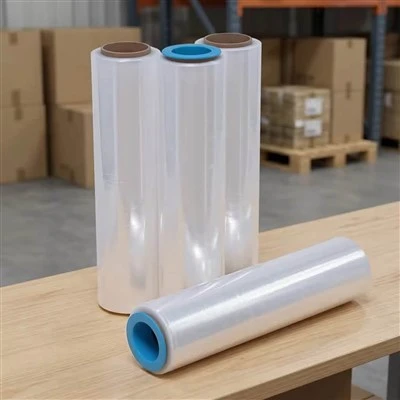
First, let’s define what we’re talking about, because there’s often confusion between jumbo stretch film and the smaller rolls you’ll find at a home improvement store. Jumbo rolls, for context, measure between 15,000 and 30,000 linear feet and weigh 40 to 100 pounds, compared to the standard 1,000 to 2,000 linear foot rolls that most people use for manual wrapping. Most large scale operations rely on automated wrapping machines that fit these jumbo rolls, and that’s where the first big advantage comes in: reduced downtime and labor costs. Let’s do the quick math here. If a warehouse wraps 500 pallets a day, using a 2,000-foot roll means they’re changing rolls every four pallets. Each roll change takes, on average, 90 seconds—time that a worker could spend on inventory checks, loading, or other critical tasks. With a jumbo roll, you might only change rolls once every two days, even for high-volume operations. I recently worked with a Midwest manufacturing client that switched to jumbo rolls in their distribution center; within three months, they reported a 12% drop in labor costs related to packaging line upkeep, plus a 4-hour weekly reduction in downtime from roll changes. That adds up fast, especially for teams already stretched thin on staffing.
But it’s not just about less changing of rolls. Jumbo stretch film is thicker and more durable than standard film, which directly translates to less pallet damage and product loss. The science here is straightforward: standard stretch film is typically 80 to 100 gauge (one gauge equals 0.001 inches), while jumbo stretch film ranges from 120 to 180 gauge, with some heavy-duty options hitting 200 gauge. Thicker film has a higher tensile strength—meaning it can resist pulling and stretching without breaking. For pallets that are irregularly shaped, top-heavy, or made of slippery items like bottled water or metal parts, that extra strength is non-negotiable. I’ve seen pallets of 50-gallon plastic drums shift so much with standard film that they’d lean 15 degrees by the time they reached a retail store, but jumbo film’s elasticity holds the load tight, keeping the pallet stable even on bumpy trucking routes. A study from the Packaging Association, a industry research group, found that using a heavy-duty jumbo stretch film reduces pallet load damage by 22% compared to standard film, and that number jumps to 35% for loads over 1,000 pounds. For any business that deals with high-value or fragile goods, that’s a direct hit to your bottom line—no more paying for replacements, no more frustrated customers, no more delays from damaged inventory.
Another underrated advantage: better load containment consistency. Standard stretch film rolls degrade quickly if they’re exposed to extreme temperatures, direct sunlight, or even rough handling during storage. Thin rolls can develop weak spots from improper unwinding, leading to inconsistent tension when wrapping. Jumbo rolls, by contrast, are manufactured with stricter quality control standards for industrial use. Most jumbo stretch film is made from linear low-density polyethylene (LLDPE), a material that’s more tear-resistant, flexible, and temperature-stable than the low-density polyethylene (LDPE) used in many standard rolls. LLDPE can withstand temperatures from -40°F to 180°F, which means it works just as well in cold storage warehouses as it does in outdoor summer construction sites. I once had a client in Arizona that wrapped pallets of patio furniture in standard film for a summer shipment; by the time the load reached California, the film had shrunk and become brittle from 110°F temperatures, leaving parts exposed to dust and rain. When they switched to jumbo LLDPE film, they reported zero exposure-related damage in the first six months. That consistency is key for businesses that operate across multiple climates or store inventory long-term.
Don’t sleep on waste reduction, either. It might seem counterintuitive—after all, a single jumbo roll is much bigger than a standard one—but when you factor in packaging materials used over time, jumbo film cuts down on waste. Standard film is often over-stretched or wasted during roll changes, or it tears easily, leading to pallets that require an extra layer of film or even secondary strapping to keep the load secure. With jumbo film’s strength, you can wrap a pallet with 30 to 40% less film than you would with standard rolls, while still getting the same or better stability. Let’s go back to that manufacturing client in Ohio: they were using 1,200 feet of standard film per pallet, and switching to jumbo film cut that to 800 feet per pallet. Over the course of a year, that worked out to 12,000 fewer rolls of film in their waste stream, plus a 18% drop in their annual packaging material costs. Less waste also aligns with many businesses’ sustainability goals, which is a big win for both your bottom line and your brand image. If customers see that you’re reducing unnecessary packaging and waste, it can build trust and loyalty. For example, a retail client of mine that switched to jumbo film highlighted the reduction in plastic use in their annual sustainability report, which helped them secure a partnership with a major eco-friendly grocery chain.
Wait, but what about the cost per roll? I know that’s the first question most business owners ask. It’s true that a single jumbo stretch film roll has a higher upfront cost than a standard roll, but when you calculate the total cost of ownership, it’s far cheaper. Let’s do a quick breakdown: a standard 2,000-foot roll costs, on average, $15, and a jumbo 20,000-foot roll costs $120. At first glance, that seems like a big jump, but that $120 jumbo roll is equivalent to 10 standard rolls. So per 1,000 feet of film, the jumbo roll costs $6, while the standard roll costs $7.50. Over time, that adds up to a 20% savings on film costs, plus the labor savings and damage reduction we talked about earlier. For a business that wraps 10,000 pallets a year, that’s a $15,000 savings just on film alone, plus another $10,000 in reduced labor and damage costs. It’s an investment that pays for itself in a matter of months, not years.
Of course, it’s important to note that jumbo stretch film isn’t a one-size-fits-all solution. If you’re a small business that wraps fewer than 10 pallets a day, the upfront cost of a jumbo roll might not make sense—you’d use it too slowly, and the film could degrade before you finish it. But for medium and large operations with consistent, high-volume wrapping needs, it’s a no-brainer. The key is to work with a supplier that can help you choose the right gauge and type of jumbo film for your specific loads. For example, if you’re wrapping heavy metal parts, you’ll want a 180-gauge heavy-duty jumbo film, while pallets of lightweight produce might work with a 120-gauge standard jumbo roll. A good supplier should also provide guidance on how to adjust your automated wrapping machine’s settings to work with jumbo rolls, since the tension and speed are a bit different than with smaller rolls.
I’ve seen too many businesses stick with standard stretch film out of habit, not because it’s the best fit for their operations. But the advantages—lower labor costs, less damage, more consistent performance, less waste, and long-term cost savings—are hard to ignore. The last thing any business wants is to lose money on damaged products, or waste hours of labor on unnecessary roll changes, especially when a simple switch to jumbo stretch film can solve those problems.

If you’re ready to explore how jumbo stretch film can improve your packaging operations, or you have questions about the right type of film for your specific needs, I’m here to help. We work with operations of all sizes, from small regional distributors to large national manufacturing companies, to provide high-quality jumbo stretch film tailored to your load requirements. Reach out to start a conversation about your packaging goals and how we can support your supply chain.
Hand Stretch Film References:
- Packaging Association. (2022). Industrial Packaging Material Performance and Damage Reduction Study.
- Logistics Management Magazine. (2023). Cost-Saving Packaging Solutions for High-Volume Distribution Centers.
- Linear Low-Density Polyethylene Manufacturers Association. (2021). LLDPE Stretch Film Properties for Industrial Applications.
- Sustainability Business Network. (2022). Packaging Waste Reduction Strategies for Retail and Manufacturing Brands.
Shandong Chenyue International Trade Co., Ltd.
As one of the most professional jumbo stretch film manufacturers and suppliers in China, our products have good reputation in the market. Please rest assured to wholesale durable jumbo stretch film made in China here from our factory. Good service and quality products are available.
Address: Building 8J, No. 3188, Jiaxing Highway, Jiading District, Shanghai
E-mail: Jean.zhu@enyapack.com
WebSite: https://www.enyaparticles.com/
