If you’ve ever shopped for building materials for a new construction or a major renovation, you’ve probably heard the terms “cladding materials” and “facade materials” thrown around a lot. At first glance, it’s easy to think they’re the same thing—both sit on the outside of a building, right? But here’s the thing: as a cladding materials supplier, I get asked this question all the time, and honestly, mixing them up can lead to big mistakes down the line. Like, imagine picking a material that looks sick for your facade but doesn’t actually protect your building from water seepage or wind damage. That’s a quick way to turn a project from smooth to messy. Let’s break this down simply, no jargon, just real talk about what each is and why it matters. Cladding Materials
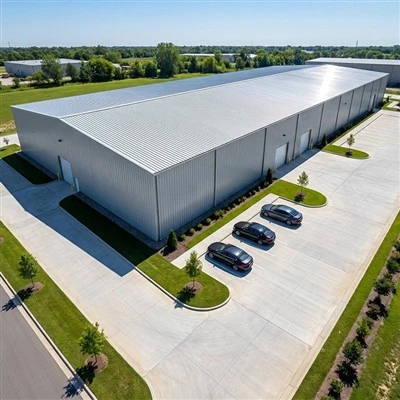
First, let’s start with the basics. Facade is the entire outer face of a building—every square inch, from the ground floor to the roofline, including windows, doors, trim, and even the structural elements that hold the exterior together. It’s not just a “skin”; it’s the first impression your building makes, and it’s also a functional barrier against the elements. Cladding, on the other hand, is a specific type of material that goes over the structural frame of a building to create that exterior layer. Wait, hold on—does that mean all cladding is facade, but not all facade is cladding? Exactly. That’s the core difference most people miss. Let me put it another way: if your building’s exterior is a pizza, the facade is the whole pizza (crust, toppings, all), and cladding is the cheese or pepperoni that makes up a big part of that, but not the sauce or the crust.
Let’s dig into the functional role of cladding first, since that’s what I deal with every single day as a cladding supplier. Cladding’s main job is protection. It’s installed over the building’s structural sheathing—think plywood, OSB, or concrete—to add an extra layer that blocks rain, snow, wind, and even UV rays from damaging the structural frame. It also helps with insulation, which cuts down on heating and cooling costs. Like, if you live in a place with harsh winters or super hot summers, a good cladding system can make your building way more energy efficient, not just pretty. Now, what kinds of materials count as cladding? We’re talking vinyl, metal (aluminum, steel, zinc), fiber cement, wood, brick veneer, stone panels, even composite materials these days. The key here is that cladding is a secondary layer—it doesn’t bear the weight of the building itself. That’s a big one. It’s attached to the structural frame, not the other way around, so its only job is to protect and insulate, with aesthetics as a nice bonus.
Now, facade materials. These are all the materials that make up the entire exterior envelope, including the cladding, but also things like windows, doors, skylights, flashing, sealants, and even the structural components that support the outer face. Wait, let’s make that concrete. Suppose you’re building a modern office tower. The facade here would include the glass curtain walls (those big, sleek windows that wrap around the building), the metal panels that cover the areas between the windows, the steel beams that hold everything up, the rubber sealants that keep water out of the window frames, and even the decorative trim along the roofline. In that case, the metal panels are cladding, but the glass, steel frame, and sealants are all part of the facade. Facade materials have two main jobs: protection (same as cladding, but it’s integrated with all the other exterior parts) and aesthetics. The facade is what determines the building’s style—whether it’s a sleek glass office, a cozy brick house, or a historic stone warehouse. It’s also the part that’s visible from the street, so it has to look good for decades, not just a few years.
Wait, let’s test this with a residential example to make it even clearer. If you’re renovating your home, you might install new siding. That siding is cladding—its job is to cover the old wood sheathing, keep water out, and insulate. But your home’s facade includes that siding, your front door, your garage door, the windows, the porch columns, and even the stone steps leading up to the house. So if someone says “we need to pick a new facade for the house,” they’re talking about updating the whole exterior look, not just the siding. If they say “we need to order new cladding,” they’re specifically talking about the siding materials that go over the walls.
Now, let’s talk about common mistakes people make when mixing these two up. I’ve had customers come to me saying they need facade panels, but actually they’re looking for cladding. Why does that matter? Because facade materials are often designed for larger, integrated systems—like glass curtain walls, which need to be waterproof and airtight as a whole unit. Cladding, on the other hand, is modular, made to be attached to the existing wall structure, easy to replace if a panel gets damaged. If you use a facade material as cladding, it might not fit right, or it might not have the durability to handle being exposed 24/7 to the elements without proper support. Conversely, if you try to use cladding as part of a facade, you might miss key components like window flashings or sealants that make the entire exterior work together.
Another big difference is installation. Cladding is usually installed in panels or strips, attached directly to the building’s structural frame with nails, screws, or brackets. It’s designed to be a relatively straightforward installation, even for smaller projects like home siding. Facade installation is way more complex, especially for commercial buildings. It requires coordinating multiple trades—glass installers, steel workers, sealant specialists, cladding technicians—all working together to make sure the entire exterior is seamless, airtight, and meets local building codes. I’ve seen a lot of projects go off the rails because someone tried to simplify facade installation by cutting corners on the cladding part, but that’s a mistake. The cladding is the backbone of the facade—if that’s not installed right, the whole system can leak or fail.
Let’s also talk about maintenance, because that’s something every property owner cares about. Cladding, depending on the material, is pretty low-maintenance. Vinyl cladding just needs a quick power wash once a year. Metal cladding can last 50+ years with minimal upkeep, just checking for loose panels. Fiber cement is even more durable, resistant to rot and insects. Facade materials, though, require more consistent upkeep because they include parts that are more exposed or have more moving pieces. Windows need to have their sealants checked every few years to prevent leaks, glass panels need to be cleaned, and structural elements like steel beams need to be painted to prevent rust. That’s why when you’re budgeting for a project, you have to account for both cladding maintenance and facade maintenance—they’re not the same.
Now, why does this matter for you, whether you’re a homeowner, a contractor, or a developer? Let’s say you’re planning a 10-year renovation for your commercial property. If you mix up cladding and facade materials, you might end up spending way more than you need to, or worse, dealing with water damage that costs thousands to fix. A few years back, I worked with a small contracting team that used glass facade panels as cladding for a retail store. The panels didn’t have the structural support they needed, so a few panels bowed in the summer heat, and water seeped behind them, ruining the store’s interior walls. They had to rip out all the cladding and start over, which cost them twice as much as the original budget. That’s a story I tell a lot, because it’s avoidable.
On the flip side, when you get this right, your building will be better off. Cladding materials are specifically designed for their protective role, so you can pick one that fits your climate—like fiber cement for areas with extreme temperature changes, or metal for coastal areas where salt air is a problem. Facade materials let you get creative with the look of your building, but you have to make sure all the components work together. For example, if you want a modern, minimalist facade with no visible seams, you need to pick cladding panels that are thin enough to blend with the glass facade, and then make sure the sealants between the panels are high quality.
As a cladding supplier, my job isn’t just to sell you materials—it’s to help you pick the right stuff for your project, so you don’t have to deal with those costly mistakes. A lot of people think facade materials are just the fancy, pretty part, and cladding is the boring, functional part, but they work together. The cladding protects the facade’s aesthetic elements, and the facade ties the cladding into the whole building’s design.
Let’s wrap this up to make it super clear:
- Cladding materials: Secondary, protective layer over the building’s structure. Job is to block elements, insulate, attach to frame. Examples: vinyl, metal, fiber cement, brick veneer.
- Facade materials: Entire exterior envelope, including cladding plus windows, doors, sealants, structural supports, and decorative elements. Job is to protect AND define the building’s look. Examples: glass curtain walls, window frames, steel beams, trim, cladding.
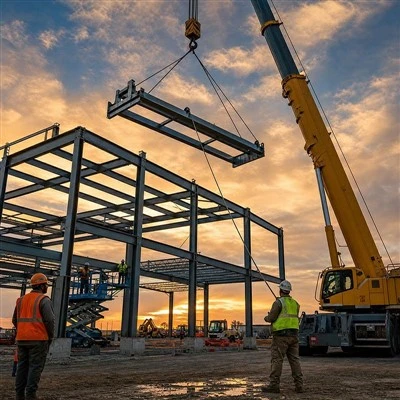
If you’re working on a project and still not sure what you need, or you’re ready to source high-quality cladding materials that are durable, code-compliant, and fit your budget, reach out. We’ve worked on everything from small residential renovations to large commercial towers, and we can help you sort through the details to make sure your project goes smooth.
Steel Structure Building REFERENCES
- American Institute of Architects. (2021). Building Exterior Envelopes: Design and Performance.
- National Association of Home Builders. (2020). Cladding Materials Guide for Residential Construction.
- International Code Council. (2022). International Building Code, Chapter 14: Exterior Walls.
- Steel Cladding Institute. (2021). Functional Requirements for Exterior Cladding Systems.
Shenyang Huaying Weiye Steel Structure Co., Ltd.
Shenyang Huaying Weiye Steel Structure Co., Ltd. is one of the most professional cladding materials manufacturers and suppliers in China, featured by quality products and good price. Please rest assured to wholesale CE approved cladding materials made in China here and get quotation from our factory. We also accept customized orders.
Address: Shenyang Huaying Weiye Steel Structure Co., Ltd., Hongxing Road, Yuhong District, Shenyang City, Liaoning Province, China.
E-mail: syhywy.ss@gmail.com
WebSite: https://www.steelstructurehy.com/
