As a seasoned supplier in the safety cable industry, I often field questions from clients about whether safety cables can be used in high – risk areas. This is a crucial concern for industries where safety is non – negotiable, such as construction, mining, offshore oil rigs, and high – altitude maintenance. In this blog, I’ll delve into the technical aspects, benefits, and real – world applications to offer a comprehensive understanding of the viability of safety cables in high – risk environments. Safety Cable

Technical Feasibility of Safety Cables in High – Risk Areas
First and foremost, let’s understand the basic design and materials of safety cables. Most high – quality safety cables are made from materials like stainless steel, galvanized steel, or synthetic fibers. Stainless steel cables are renowned for their excellent corrosion resistance, making them ideal for outdoor and marine high – risk areas where exposure to moisture and saltwater can cause rapid degradation of other materials. Galvanized steel cables, on the other hand, are cost – effective and offer good strength. The zinc coating provides a protective layer that prevents rusting, which is essential in environments with fluctuating humidity and temperature.
Synthetic fiber cables, such as those made from aramid or high – molecular – weight polyethylene, are lightweight yet incredibly strong. They are often used in applications where weight is a concern, like in some high – altitude or aerospace – related high – risk operations. These materials can withstand high levels of stress and are also resistant to abrasion, a common issue in high – risk areas where cables may rub against rough surfaces.
The construction of safety cables also plays a vital role in their suitability for high – risk areas. Multi – strand cables are designed to distribute stress evenly across the strands. This means that if one strand were to break, the remaining strands can still provide a significant level of support, reducing the risk of a complete cable failure. Additionally, the ends of safety cables are often fitted with specialized connectors, such as swaged fittings or thimbles, which are engineered to maintain the integrity of the cable under extreme loads.
Benefits of Using Safety Cables in High – Risk Areas
One of the primary benefits of using safety cables in high – risk areas is the prevention of falls and accidents. In construction sites, workers often operate at great heights, and a safety cable can serve as a reliable lifeline. By attaching themselves to a properly installed safety cable, workers can move around safely, knowing that they are protected in case of a slip or a fall. This not only safeguards the lives of the workers but also reduces the liability for the employers.
In industrial settings where there is a risk of equipment falling or shifting, safety cables can be used to secure heavy machinery. For example, in a mining operation, large conveyor belts or crushers can be secured with safety cables to prevent them from toppling over during operation. This helps to maintain the continuous operation of the facility and prevents costly damage to equipment and potential injuries to workers.
Another advantage is the flexibility that safety cables offer. They can be easily installed in various configurations to suit the specific needs of a high – risk area. Whether it’s a horizontal cable system for a rooftop maintenance job or a vertical cable for a deep – shaft mining operation, safety cables can be customized to fit the environment.
Real – World Applications of Safety Cables in High – Risk Areas
Let’s look at some real – world examples to illustrate the effectiveness of safety cables in high – risk areas. In the construction of skyscrapers, safety cables are an integral part of the safety infrastructure. Workers on the exterior of the building use horizontal safety cables to move along the scaffolding or perform window – cleaning tasks. These cables are carefully engineered to withstand the dynamic loads generated by the movement of workers and any external forces, such as wind.
Offshore oil rigs are another high – risk environment where safety cables are extensively used. In these rigs, workers are constantly exposed to harsh weather conditions, slippery surfaces, and heavy machinery. Safety cables are used to secure equipment on the deck, provide fall – protection for workers climbing up and down the rig’s structures, and even as part of the emergency evacuation systems.
In the mining industry, safety cables are used in both surface and underground mines. In surface mines, they are used to secure large earth – moving equipment and to provide safety for workers operating on the edges of open pits. In underground mines, safety cables are used for hoisting operations, as support for ventilation ducts, and for fall – protection in narrow tunnels and shafts.
Challenges and Considerations
While safety cables are highly effective in high – risk areas, there are some challenges and considerations that need to be addressed. One of the main challenges is the proper installation and maintenance of safety cables. Incorrect installation can lead to reduced effectiveness and increased risk. For example, if a cable is not tensioned correctly or if the connectors are not properly tightened, it may fail under load.
Regular maintenance is also crucial. Safety cables need to be inspected for signs of wear and tear, corrosion, and damage on a regular basis. Any damaged or worn – out cables should be replaced immediately to ensure the continued safety of the workers and the integrity of the operations.
Environmental factors can also pose challenges. In extremely cold or hot environments, the properties of the cable materials can change. For example, in very cold temperatures, some metals may become more brittle, increasing the risk of fracture. In hot and humid environments, corrosion can occur more rapidly. Therefore, it’s essential to select the appropriate cable material based on the specific environmental conditions of the high – risk area.
Conclusion
In conclusion, safety cables can indeed be used in high – risk areas, and they play a vital role in ensuring the safety of workers and the smooth operation of various industries. Their technical design, material properties, and flexibility make them suitable for a wide range of high – risk applications. However, proper installation, regular maintenance, and careful consideration of environmental factors are essential to maximize their effectiveness.
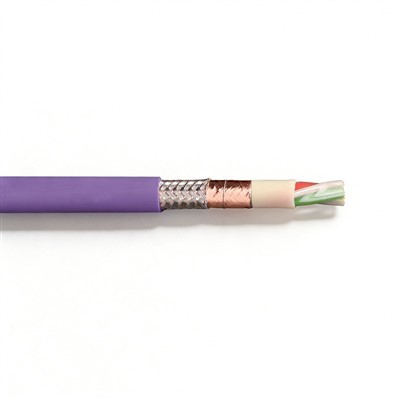
As a safety cable supplier, I am committed to providing high – quality products that meet the stringent requirements of high – risk areas. Our team of experts can offer guidance on the selection, installation, and maintenance of safety cables. If you are involved in an industry with high – risk operations and are in need of reliable safety cables, I encourage you to reach out to us for a consultation. We can work together to develop a customized safety cable solution that suits your specific needs and ensures the safety of your operations.
Servo Cable References
- ASCE (American Society of Civil Engineers) – "Safety Guidelines for Structural Cables in High – Risk Environments"
- OSHA (Occupational Safety and Health Administration) – "Fall Protection Standards and Best Practices for Safety Cables"
- API (American Petroleum Institute) – "Recommended Practices for Safety Cables in Offshore Operations"
Cixi Davos Wire & Cable Co., Ltd.
As one of the most professional safety cable manufacturers and suppliers in China, we also support customized service. Please feel free to buy bulk high quality safety cable in stock here from our factory. For price consultation, contact us.
Address: No.3, Lane 91, Ruan Ding Road, Linxi Village, Xiaolin Town, Cixi City
E-mail: roy798@163.com
WebSite: https://www.cj-supplychain.com/
