Hey there! I’m an ambulance supplier, and today I wanna chat about how ambulances transport patients with fractures. It’s a topic that’s super important, not just for us suppliers but for everyone who cares about patient safety and well – being. Ambulance

First off, let me tell you that the process of transporting a fractured patient starts as soon as the ambulance crew gets the call. When they arrive at the scene, the very first step is to assess the situation. They’re looking at the patient’s overall condition, not just the fracture. Is the patient conscious? Are they breathing okay? Do they have any other injuries that might be life – threatening? This initial assessment is crucial because it helps the crew prioritize what needs to be done first.
Once they’ve got a sense of the patient’s overall state, they focus on the fracture itself. They need to figure out what kind of fracture it is. Is it an open fracture, where the bone has broken through the skin? Or is it a closed fracture, where the bone is broken but the skin is intact? This distinction is really important because an open fracture is at a higher risk of infection.
For an open fracture, the crew has to take extra precautions. They’ll start by cleaning the wound as best they can to reduce the risk of bacteria getting into the body. Then they’ll cover the wound with a sterile dressing. This helps prevent further contamination while the patient is being transported.
After handling the wound, if necessary, the next big step is immobilization. Immobilizing the fractured limb is key to prevent further damage. The ambulance crew has a bunch of tools at their disposal for this. One of the most common is a splint. Splints come in different shapes and sizes, and they’re made to fit around the affected area. They can be made of rigid materials like wood or plastic, or even flexible ones that can mold to the body.
When applying a splint, the crew has to be really careful. They need to make sure it’s not too tight, as that could cut off blood circulation. At the same time, it has to be snug enough to keep the broken bone in place. They’ll also cushion the splint with padding to make it more comfortable for the patient.
In some cases, when dealing with more serious fractures, especially those in the spine or pelvis, the crew might use a backboard or a special pelvic binder. A backboard is a flat, rigid surface that helps keep the patient’s body in a straight line. It’s used when there’s a concern about possible spinal injury, as any movement could make the situation worse. The pelvic binder is designed to stabilize the pelvis in case of a pelvic fracture, which can be extremely painful and dangerous.
Once the patient is properly immobilized, it’s time to move them onto the ambulance stretcher. This has to be done smoothly and carefully to avoid jostling the patient and causing more pain or damage. The crew usually uses a coordinated lifting technique, with everyone working together to lift the patient gently.
On the way to the hospital, the ambulance isn’t just a ride. It’s like a mini – hospital on wheels. The crew monitors the patient’s vital signs constantly. They keep an eye on the heart rate, blood pressure, and oxygen levels. If the patient’s condition changes, they’re ready to take immediate action.
In the ambulance, there’s also a supply of pain medication. Depending on the patient’s condition and the severity of the pain, the crew might administer painkillers. This not only helps the patient feel more comfortable but also reduces the stress on the body, which is important for the patient’s overall recovery.
Communication is another big part of transporting a patient with a fracture. The ambulance crew stays in touch with the hospital they’re heading to. They give the hospital staff a detailed report on the patient’s condition, including the type of fracture, any other injuries, and the treatment that has already been provided. This way, the hospital can be ready to receive the patient and start the appropriate treatment as soon as they arrive.
Now, I want to talk a bit about the equipment we supply as an ambulance supplier. Our ambulances are equipped with all the latest and greatest tools for handling fractures. From high – quality splints to reliable monitoring devices, we make sure that our ambulances are prepared for any situation.
Our splints are made from durable materials that can withstand the rigors of transportation. They’re easy to adjust, so the crew can get the perfect fit for each patient. And our monitoring devices are accurate and user – friendly, allowing the crew to keep track of the patient’s vital signs without any hassle.
We also offer training and support to the ambulance crews. We know that having the best equipment is only half the battle. The crew needs to know how to use it effectively. So, we organize regular training sessions where the crew can learn about the latest fracture – handling techniques and how to use our equipment to its fullest potential.
If you’re in the market for an ambulance supplier, you want someone you can trust. You want a supplier who understands the importance of patient safety and who is committed to providing the best equipment and support. That’s where we come in. We’re dedicated to making sure that every ambulance we supply is equipped to handle fractures and other emergencies with the utmost care and efficiency.
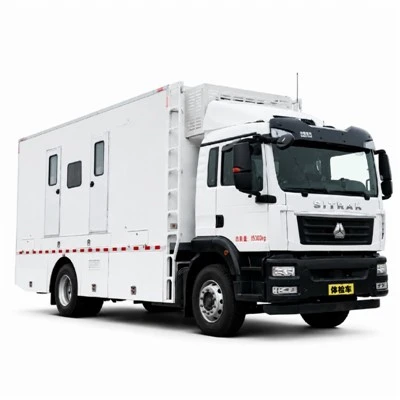
If you’re interested in learning more about our ambulance services and the equipment we offer, or if you’re thinking about purchasing an ambulance for your organization, don’t hesitate to reach out. We’d love to have a chat with you and discuss how we can meet your specific needs. Whether you’re a small local emergency service or a large hospital system, we’ve got solutions that can work for you.
Maintenance Truck References
- Emergency Medical Technician (EMT) textbooks
- American College of Surgeons Committee on Trauma guidelines
Hubei Ruitu Technology Co., Ltd.
Hubei Ruitu Technology Co., Ltd. is one of the most experienced ambulance manufacturers and suppliers in China, also supports customized service and OEM service. Welcome to buy advanced ambulance made in China here and get pricelist from our factory. Also, 1 year warranty is available.
Address: Xingguang Road, Zengdu District, Suizhou City, Hubei Province
E-mail: Sales@ritumax.com
WebSite: https://www.ruitumotors.com/
