Using oil pastels on paper cards can bring a multitude of effects, both aesthetic and practical, which can significantly enhance the appeal and value of the paper cards. As a paper card supplier, I have witnessed firsthand the transformative power of oil pastels on our products, and I am excited to share these insights with you. Paper Card

Aesthetic Effects
Vivid and Intense Colors
One of the most striking effects of using oil pastels on paper cards is the ability to achieve vivid and intense colors. Oil pastels are composed of pigment, wax, and oil, which allows them to produce rich, saturated hues that can make a card stand out. Unlike watercolor or colored pencils, oil pastels do not require the use of a medium to activate the color. The pigments are already bound in a thick, creamy consistency, which can be applied directly to the paper surface. This results in a bold and vibrant color that can capture the attention of the recipient.
For example, when creating a greeting card for a birthday, using oil pastels to draw a bouquet of flowers can bring the image to life. The bright reds, yellows, and purples of the petals can create a sense of celebration and joy, making the card more memorable. Similarly, for a holiday card, oil pastels can be used to depict a winter scene with snow-covered trees and a cozy fireplace. The warm oranges and yellows of the fire, contrasted with the cool blues and whites of the snow, can create a visually appealing and inviting image.
Textural Depth
Another aesthetic effect of using oil pastels on paper cards is the creation of textural depth. When oil pastels are applied to the paper, they leave behind a thick, waxy layer that can add a tactile dimension to the artwork. The pressure and direction of the strokes can also create different textures, from smooth and blended to rough and scratchy. This textural variation can make the image more interesting and engaging, as it adds a sense of three-dimensionality to the flat surface of the card.
For instance, when drawing a landscape on a card, using oil pastels to create the texture of the grass and the bark of the trees can make the scene more realistic. The rough, uneven strokes of the oil pastels can mimic the texture of the natural elements, while the smooth, blended areas can represent the sky or the water. This combination of textures can create a sense of depth and dimension, making the card more visually appealing.
Blendability and Layering
Oil pastels are highly blendable, which means that different colors can be mixed together to create new shades and tones. This allows for greater creativity and flexibility in the artwork, as the artist can achieve a wide range of colors and effects. Additionally, oil pastels can be layered on top of each other, which can create a sense of depth and complexity in the image.
For example, when creating a portrait on a card, using oil pastels to blend the skin tones can make the face look more realistic. The artist can start with a base color and then add layers of lighter and darker shades to create highlights and shadows. This technique can also be used to create a sense of depth in the background, by layering different colors of oil pastels to represent the distance and the atmosphere.
Practical Effects
Durability
Oil pastels are a durable medium, which means that the artwork created on paper cards can withstand the test of time. The wax and oil in the pastels form a protective layer on the surface of the paper, which can prevent the colors from fading or smudging. This makes oil pastels an ideal choice for creating cards that will be kept and cherished for a long time.
For instance, a wedding card created with oil pastels can be a beautiful keepsake for the newlyweds. The vibrant colors and detailed artwork will remain intact for years to come, serving as a reminder of the special day. Similarly, a graduation card created with oil pastels can be a meaningful and lasting gift for the graduate.
Versatility
Oil pastels can be used on a variety of paper card surfaces, including smooth, textured, and glossy papers. This versatility allows for different effects and styles to be achieved, depending on the type of paper used. For example, using oil pastels on a smooth paper surface can result in a more polished and refined look, while using them on a textured paper can create a more rustic and organic feel.
In addition, oil pastels can be combined with other mediums, such as watercolor, ink, or collage, to create mixed-media art on paper cards. This can add an extra layer of interest and creativity to the artwork, making the cards more unique and personalized.
Marketing and Business Effects
Differentiation in the Market
In today’s competitive paper card market, it is essential to offer products that stand out from the crowd. Using oil pastels on paper cards can help to differentiate your products from those of your competitors. The unique aesthetic effects of oil pastels, such as vivid colors, textural depth, and blendability, can make your cards more visually appealing and memorable. This can attract more customers and help you to build a loyal customer base.
For example, if you are a paper card supplier who offers a range of greeting cards, adding some cards with oil pastel artwork can make your collection more diverse and interesting. Customers who are looking for something different and unique will be more likely to choose your cards over those of other suppliers.
Higher perceived value
The use of oil pastels on paper cards can also increase the perceived value of the products. The rich, vibrant colors and detailed artwork created with oil pastels can make the cards appear more luxurious and high-quality. This can justify a higher price point, allowing you to increase your profit margins.
For instance, if you are selling handmade paper cards, adding some oil pastel elements to the design can make the cards more valuable. Customers will be willing to pay more for a card that looks like a work of art, rather than a mass-produced greeting card.
Conclusion
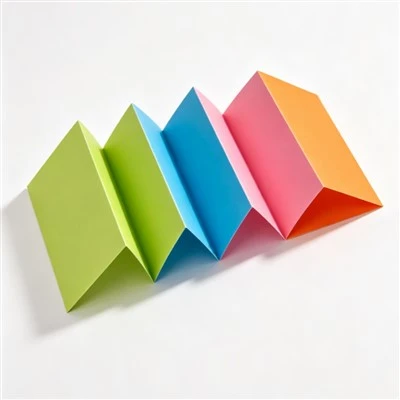
In conclusion, using oil pastels on paper cards can have a multitude of effects, both aesthetic and practical. The vivid colors, textural depth, and blendability of oil pastels can create visually appealing and unique artwork that can enhance the appeal and value of the paper cards. Additionally, the durability and versatility of oil pastels make them an ideal choice for creating cards that will be kept and cherished for a long time.
Calendar As a paper card supplier, I believe that offering paper cards with oil pastel artwork can be a great way to differentiate your products in the market and increase their perceived value. If you are interested in exploring the possibilities of using oil pastels on paper cards, I would be happy to discuss your needs and provide you with samples of our products. Please feel free to contact me to start a conversation about your paper card requirements.
References
- Smith, J. (2018). The Art of Oil Pastels. New York: Artistic Press.
- Johnson, A. (2019). Creating Beautiful Paper Cards with Oil Pastels. London: Craft Publishing.
- Brown, C. (2020). The Benefits of Using Oil Pastels on Paper. Journal of Art Materials, 45(2), 34-42.
Jiangyin Kingma Printing Co., Ltd.
As one of the most professional paper card manufacturers and suppliers in China, we also support customized service. Please feel free to wholesale bulk high quality paper card in stock here from our factory. Welcome to contact us for quotation.
Address: 803 Binjiang West Road, Jiangyin City, Jiangsu Province
E-mail: 275695527@qq.com
WebSite: https://www.kingmaprinting.com/
