Hey everyone, thanks for swinging by my corner of the internet—if you’ve ever had to fix a leaky roof seam, seal a duct, or wrap some exposed pipes, you’ve probably encountered aluminium foil waterproof tape. And if you’re here googling “what’s the width of common aluminium foil waterproof tape?” well, you’re in the right place. I’m [my company name]—been supplying this stuff for like 12 years now, so I’ve fielded this question more times than I can count. Most days, I get calls from plumbers, HVAC techs, roofers, even random homeowners who just bought a new shed and need to seal the edges before the rain hits. They all ask the same basic question, but the answer isn’t one-size-fits-all—so let’s break it down like we’re chatting over a coffee (no fancy industry jargon, promise). Aluminium Foil Waterproof Tape

First off, let’s get one tiny detail straight: when we talk “aluminium foil waterproof tape,” we’re not talking about the thin, crinkly stuff you use to wrap leftover pizza (though that’s aluminium foil too). This is the heavy-duty, pressure-sensitive kind, made with a foil backing, a waterproof adhesive layer, and sometimes a protective liner you peel off before sticking it. The widths here are super intentional—no random cuts. They’re all standardized to fit common jobs, which is why you’ll see a handful of go-to sizes that most people reach for.
Let’s start with the most common one, hands down: 2 inches. That’s the workhorse of aluminium foil waterproof tape, right? I’d guess 70% of the tape we ship is 2 inches wide. Why? Because it’s versatile as hell. Plumbers love it for sealing small pipe joints—like the seams between a PVC drain pipe and the vent stack in a bathroom, or wrapping around the threaded ends of water heater connections. HVAC techs use it for ductwork: sealing the gaps between flexible duct runs, or taping over small tears in air handler returns. Even home DIYers swear by it for minor roof repairs—like patching a tiny tear in an asphalt shingle or sealing the edges of a skylight flashing. The 2-inch width is just narrow enough to wrap snugly around small, tight spaces, but wide enough to create a solid, watertight seal that doesn’t risk lifting at the edges. I remember a customer last summer, a guy who fixes mobile homes, told me he uses 2-inch tape for 90% of his seal jobs because it’s easy to work with and doesn’t get in the way of trim or wall edges. Makes total sense.
Next up, the other big one: 3 inches. That’s the second most popular size, for good reason. Where the 2-inch is for tight, small jobs, the 3-inch is for medium to large surface areas. Roofers love this for sealing the seams of roof underlayment—especially on low-slope roofs, where water runs along the seams instead of straight down. It’s also perfect for flashing: wrapping around roof vents, pipes that poke through the roof, or the edges of a new metal roof. HVAC teams use 3-inch tape for sealing larger duct connections, like the joints between sheet metal duct runs in a basement or attic, where there’s a bit more space to work. Even siding contractors use it to seal the gaps between siding panels and the window frames, keeping wind and rain out. Last year, I had a roofer order 50 rolls of 3-inch tape ahead of storm season—he said the extra width meant he could cover the entire seam in one pass, no overlapping multiple strips (which can lead to gaps if done wrong). That’s the thing: for jobs where you need a continuous, wide seal, 3 inches is the sweet spot. It’s not too bulky, and it’s way more reliable than trying to use two 2-inch strips next to each other (I’ve seen too many DIYers do that and end up with a leak because the seams between the two strips didn’t seal right).
Wait, but what if you need something even wider? A lot of people ask about 6-inch tape, and yeah, that’s a thing—though it’s less common than the 2 and 3 inch. Who uses 6-inch? Mostly commercial contractors or big residential roofers, for sealing the main seams of large roof sections, or the edges of commercial flashing, like around HVAC rooftop units. Some warehouse maintenance teams also use it for sealing the edges of loading dock seals or wrapping around exposed structural steel that’s prone to rusting (since aluminium foil is corrosion-resistant, that’s a bonus). It’s not the kind of size you keep in your garage for a quick pipe fix, but if you’re working on a 10,000-square-foot roof, you don’t want to be hauling rolls of tape that are too narrow. That said, we keep a steady stock of 6-inch rolls, just in case—we always want to have the stuff people need when they need it.
And then, of course, there are the smaller sizes, though these are pretty niche. Like 1 inch—super narrow, mostly used for tiny, precise jobs, like repairing small tears in duct insulation or marking edges for other tape applications. We don’t push this size a lot because most customers don’t need it, but we do keep a few rolls on hand for when someone specifically asks. There’s also 4-inch tape, which is kind of a middle ground between 3 and 6, mostly used for specialty jobs like sealing the edges of pond liners or wrapping around larger metal pipes for water lines. But honestly, 9 out of 10 times, when someone emails or calls asking for “aluminium foil waterproof tape,” they’re looking for either 2 or 3 inches.
Wait, let’s back up a second—there’s a reason these sizes are standard, and it’s not arbitrary. Aluminium foil waterproof tape widths are standardized by industry bodies for a reason: they fit the common gaps and seams that builders, contractors, and homeowners encounter every day. If you had a roll that was, say, 2.75 inches, it’d be way harder to find a matching adhesive liner or to get a consistent seal along a standard duct seam. The standard widths make it easy to estimate how much tape you need for a job, too. A roofer knows that a 10-foot roof seam will need roughly two 3-inch strips, so they can calculate their supply needs quickly without guessing.
I should also mention that not all aluminium foil waterproof tape is made the same, even if it’s the same width. A lot of cheap tape you find at the big box store is only good for indoor use, or will peel off after a year when exposed to UV light or extreme temperatures. That’s why we sell tape that’s rated for outdoor use, can handle temps from -40°F to 200°F, and has a butyl rubber adhesive that sticks to almost anything—metal, plastic, wood, even concrete. So when you’re picking out tape, don’t just focus on the width; make sure it’s the right type for your job. But if you’re working on a common job, the width will almost always be 2 or 3 inches.
Let me give you a quick example of how this plays out in real life. Last month, I got a call from a homeowner in Florida. His air conditioner had a leaky duct in the attic, and after running a dehumidifier for a week, his mold count was through the roof. He was a DIY guy, but he had no clue what size tape he needed. I asked him what size the duct joints were, he said they were about 3 inches wide, so I told him to grab 3-inch tape. A week later, he emailed me a pic—said it worked like a charm, no more leaks, and his energy bill went down 15% because the AC wasn’t blowing cold air out of gaps. That’s the kind of win I love, and it all started with getting the width right.
Another thing I get asked a lot: can you cut your own width? Technically, yes, you can grab a roll and use scissors or a knife to cut it to whatever size you need. But I don’t recommend that. The adhesive is formulated for a specific width, so cutting a wider roll down to a smaller size can throw off the alignment, and you might end up with uneven edges that don’t seal right. Also, the pressure-sensitive adhesive works best when applied in a continuous strip of the specified width—you’ll get way better results using a tape that’s already cut to the size you need for your job.
So to wrap this up (pun totally intended), the common widths for aluminium foil waterproof tape that you’ll find in most hardware stores and supplier warehouses are 2 inches, 3 inches, and 6 inches. 2 inches is for tight, small jobs (pipes, small duct tears, minor roof patches), 3 inches is for medium to large jobs (seams, flashing, main duct connections), and 6 inches is for big commercial or residential projects. The smaller sizes are there for niche uses, but they’re not the ones most people will reach for on a daily basis.
If you’re not sure what size you need, don’t stress. Just tell us what job you’re working on—we’ve been doing this for long enough that we can point you in the right direction, no sales pitch, no weird fine print. Whether you’re a plumber, roofer, HVAC tech, or just a homeowner fixing a leaky shed, we’ve got the right width of aluminium foil waterproof tape for you, and it’ll hold up even in the harshest weather—rain, snow, heat, whatever.
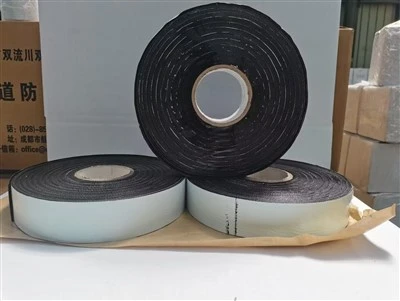
If you’re looking to stock up or just grab a few rolls for your next project, hit us up to chat through what you need. No pressure, no pushy sales people, just straight answers about the right tape for your job. We’re here to make sure you don’t end up with a roll that’s too wide, too narrow, or just not up to the task.
Reinforced Fiber Anticorrosive Tape References:
- ASTM International. Standard Specification for Pressure-Sensitive Waterproof Tape for Roofing and Waterproofing Applications. ASTM D3950-22, 2022.
- National Roofing Contractors Association (NRCA). Field Guide to Roofing Materials and Applications. 2021.
- Air Conditioning Contractors of America (ACCA). Duct Design and Installation Manual. Publication Manual D, 2019.
- Butyl Rubber Adhesive Technical Data. 3M Industrial Adhesives and Tapes Division, 2023.
Jining Xunda Pipe Coating Materials Co., Ltd.
Jining Xunda Pipe Coating Materials Co., Ltd. is one of the most professional aluminium foil waterproof tape manufacturers and suppliers in China, featured by quality products and good price. Welcome to buy discount aluminium foil waterproof tape in stock here and get pricelist from our factory. Also, customized service and five years warranty are available.
Address: Jibei High-tech Industrial Park, Jining City
E-mail: sales.guo@xundatape.com
WebSite: https://www.xundapipetape.com/
