Hey everyone, if you’re here, you’re probably knee-deep in drip tape irrigation—either you’ve got a field to keep hydrated, or you’re just trying to wrap your head around why that filter you hooked up last month is already looking gunked up. As someone who’s been in the drip tape supplier game for over a decade, I get it: there’s no one-size-fits-all answer to “how often should I replace my drip tape filter.” But I’m gonna break this down like I would for a regular farmer who’s not here for fancy jargon, just real, actionable stuff that actually works for your setup. Drip Tape

First off, let’s cut the crap: filters aren’t just some “set it and forget it” part of your irrigation system. If you skip this step, you’re basically asking for clogged drip tape emitters, uneven water flow, and wasted money on replacing tape way sooner than you should. I’ve seen it happen so many times— a customer will call me panicking because half their corn field is wilting mid-season, and the first thing I check is their filter schedule. 9 times out of 10, they were only backflushing it (the quick clean most people do) every few weeks and never replacing it, even when it was totally clogged.
So, let’s start with the basics: what kind of filter do you even have? Because that changes everything. The three main types for drip tape are screen filters, disc filters, and centrifugal filters. Screen filters are the most common for small to medium setups—you know, the ones with a mesh screen you can pull out and rinse. Disc filters have stacked plastic discs that catch gunk in between them, and they work better for slightly dirtier water. Centrifugal filters are for big operations with lots of sediment, they spin the water to separate heavy gunk before it hits the finer filters.
Now, replacement frequency is tied directly to how much gunk is flowing through your system. Let’s talk about that first—your water source is the biggest variable here. If you’re pulling water from a well that’s pretty clear, no lots of dirt or silt, and you test it every year for contaminants, your filter won’t clog as fast. But if you’re using river water, pond water, or even runoff from a field, that’s loaded with organic gunk—algae, tiny bugs, bits of leaves, even mud. That stuff will muck up your filter way quicker.
Here’s the rule of thumb I give most folks: backflush your filter every 1 to 2 weeks during peak irrigation season. Backflushing is the quick fix, right? It reverses the water flow to push out the gunk that’s trapped, so that’s maintenance you do between full replacements. But when do you actually swap the whole filter out, not just rinse it? That depends on a few things.
For screen filters (the most popular for small farms, veggie growers, or hobbyist plots): Most of these are made of nylon or stainless steel mesh. If you have clear well water, you can probably replace the screen every 12 to 18 months. Wait, that’s not a typo—some well users go longer, but don’t push it. If you have river or pond water, that timeline drops to every 3 to 6 months. Why? The organic gunk builds up in the mesh, even after backflushing, and over time it can wear down the screen, let tiny sediment through, or get so clogged that even backflushing doesn’t work. I had a tomato grower in Ohio last year who was using river water, and he was replacing his screen every 4 months. Once he switched to a slightly coarser pre-filter and adjusted his backflush schedule, he got that up to 6 months, which saved him some cash.
Disc filters are a step up, for when your water’s a little dirtier. The discs are more durable than screen mesh, so they handle organic gunk and fine sediment better. For clear well water, disc filter replacement is every 18 to 24 months. For river or pond water, that’s every 6 to 12 months. A big ag operation in Iowa I work with uses disc filters for their corn fields, and they replace their main disc filters every 8 months during the growing season, then swap them off-season to test them and clean the backup ones. That way they never have a mid-season failure.
Centrifugal filters are for large-scale stuff, like midwestern corn and soybean farms that pull water from muddy streams. These don’t get replaced as often, mostly because they’re usually paired with finer secondary filters (like screen or disc) that do the heavy lifting. The centrifugal part itself can last 5 to 10 years, but you still need to replace the secondary screen or disc filters paired with it, using the same timelines I mentioned earlier. The key here is that you don’t replace the whole centrifugal unit—just the fine filter attached to it.
Wait, but what signs should you look for to tell it’s time to replace, not just rinse? Because if you wait till your emitters are clogged, you’re already behind. Let’s list the telltale signs: First, your system pressure drops. If you check your pressure gauge at the filter inlet and outlet, and the difference is more than 10 PSI, that means the filter’s so clogged it’s restricting flow. Backflushing might fix that temporarily, but if you’re seeing that difference every time, and backflushing doesn’t bring it back down, it’s time to replace the filter. Second, you see visible gunk when you take the filter out. If even after rinsing, the mesh or discs still have a thick, slimy layer of algae or mud, that’s a sign the filter is worn out and can’t catch stuff properly anymore. Third, uneven water flow to your drip tape. If half your rows are getting water, and the other half are weak, and you’ve checked for clogged emitters, it’s probably the filter letting too much sediment through.
Also, don’t sleep on seasonal factors. If you live in a place where you only irrigate 3 to 4 months a year (like a northern state, or the Pacific Northwest with plenty of rain), you don’t need to replace the filter as often as someone in Arizona who’s running their system 12 months a year. A guy I work with in Arizona has to replace his screen filters every 2 months in the middle of summer because the algae grows so fast in warm water. But a guy in Minnesota uses the same size filter for his hay fields, and only replaces it once a year when he opens the system in spring. That’s a huge difference, right?
Another thing: pre-filters. Adding a simple sediment filter before your main drip tape filter can extend the life of your main filter way longer. It catches all the big chunks of mud, leaves, and bugs first, so the main filter only has to handle the fine stuff. I always recommend that to customers using non-well water. It’s a cheap add-on, and it saves you from replacing your expensive main filter every few months. I had a customer in Texas who was replacing his main disc filter every 3 months with river water. He added a pre-filter for $20, and now he only has to replace the main filter every 9 months. That’s a no-brainer.
Wait, but let’s bust a myth I hear all the time: “I just clean the filter, so I never need to replace it.” No. Filters wear out. The mesh gets holes from backflushing over time, the discs crack and lose their tight fit, even stainless steel screens corrode if you’re using hard water with lots of minerals. A clean filter is a working filter, but a worn filter can’t do its job, even if it’s clean. I’ve seen customers keep a screen filter for 2 years when they should have replaced it after 6 months, just because they rinsed it every week. Then all that sediment got past the filter and clogged 20,000 feet of drip tape, which cost them way more than the filter would have. Don’t be that guy.
Now, what about if you’re a hobbyist? Like, you have a small veggie garden, 100 feet of drip tape. What’s the timeline there? Most small setups use 120-mesh screen filters, right? If you have city water (which is super clear), you can go 2 years without replacing it. If you have well water, 12 to 18 months. If you have pond water, 3 to 6 months. And for small systems, even if you don’t replace it, just rinsing it every week is enough, but once it starts developing small holes, that’s when you swap it.
Let me give a quick cheat sheet to make this easy, no matter your setup:
- Small hobby gardens (city water): Screen filter replacement every 2 years.
- Small hobby gardens (well/pond water): Screen filter every 6-12 months.
- Medium farms (veggies, small row crops): Screen/disc filter every 6-12 months (clear water) or 3-6 months (dirty water).
- Large commercial operations: Secondary filter (paired with centrifugal) every 8-12 months during peak season, centrifugal unit lasts 5+ years.
Also, don’t forget to track it. Put a little note on your calendar for when you last replaced the filter, especially if you have multiple fields or multiple filters. Irrigation seasons are busy, and it’s easy to forget. I keep a log for my own farm—even though I know this stuff, I still write down when I swap filters, because life gets crazy.
If you’re still on the fence, or you have a weird water source I didn’t mention, or you just want to make sure you’re not wasting money on replacing too often, hit me up. I’m here to help. I’ve worked with thousands of growers, from hobbyists to big operations, and I can help you figure out exactly what your drip tape filter needs, no sales pitch, just real advice.
Before I wrap this up, one last thing: don’t skip maintenance. Backflushing every 1-2 weeks, checking pressure regularly, adding a pre-filter if you have dirty water. That’s how you make your filter last as long as possible, and keep your drip tape running for years. I had a customer last year who skipped all that, and he had to replace his entire drip tape system because of filter clogs. That’s a way bigger cost than a $10 filter every few months.
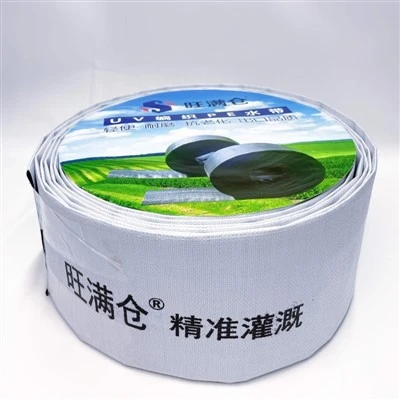
If you need replacement filters, or you have questions about your specific setup, reach out. We’ve got filters for every type of drip tape, and we can help you adjust your schedule to fit your water and your growing season. No pushy sales stuff, just solid info and quality parts. Go check on your filter today—better safe than sorry.
Fittings References
- USDA Natural Resources Conservation Service. (2021). Irrigation Water Filters for Drip and Micro-Spray Systems. NRCS Irrigation Guide 628.
- University of California Division of Agriculture and Natural Resources. (2022). Drip Irrigation Maintenance for Vegetable and Field Crops. Publication 8255.
- American Society of Agricultural and Biological Engineers. (2020). Standard for Irrigation System Components: Filters. ASABE S584.1.
Heze Shengbangwei New Material Co., Ltd.
As one of the most professional drip tape manufacturers and suppliers in China, we also support customized service. Please feel free to buy bulk high quality drip tape at competitive price from our factory. Welcome to contact us for quotation.
Address: Malingang Town Industrial Park, Luxi New District, Heze City, Shandong Province, China
E-mail: Chenlijuan@shengbangwei.com
WebSite: https://www.sbw-irrigation.com/
