Hey there, let’s cut to the chase for a sec—you’ve probably seen these big, flexible tubes dragged around construction sites, gas stations, or even at farm operations and thought, “What’s the point of those suction hoses anyway?” I’m not here to ramble like some salesperson spitting generic jargon, so let’s get real about why these things matter, especially if you’re the person who’s ever watched a pump sputter because the wrong hose was hooked up. Suction Hose

First off, let’s clarify what a suction hose actually is (no, it’s not the same as the garden hose you use to water your tomatoes in the backyard). A garden hose works by pushing water from your spout, right? But a suction hose is built for the opposite: it’s what pulls fluid (or even semi-liquid stuff like slurry or wet sand) from one spot to another when gravity or regular pressure can’t do the job. Think of it like the straw you use to sip a milkshake—you suck air out of the straw, and the liquid moves up into your mouth. That’s basically the same logic, just scaled up for jobs that need way more oomph than a slurp.
Now, why does that matter so much? Let’s talk about the biggest, most non-negotiable purpose of a suction hose: it’s the critical link that lets a suction pump do its job correctly, no fails. If you hook up the wrong hose to a suction pump—say, a regular discharge hose that’s only built to push fluid, not pull it—you’re gonna run into two big problems fast. First, it’ll collapse under vacuum. When a suction pump runs, it creates negative pressure (vacuum) inside the hose, and that’s way more force than you’d think. A thin, flimsy discharge hose will crumple like a soda can, which means no fluid moves at all—your pump’ll just make a weird gurgling noise and go nowhere. Second, you’ll get leaks that let air seep into the line, killing the suction entirely. Even a tiny air bubble in a suction line is like a kink in a straw—no air, no flow.
Let’s break down specific use cases so you can see why this isn’t just a “nice to have” part. Take the construction industry, for example. When you’re digging a foundation and need to pump out groundwater, or when you’re handling concrete slurry to move it from the mixer to the pour site, suction hoses are non-negotiable. We supply hoses for construction crews that can handle thick, abrasive slurry without getting worn down fast—those aren’t your average plastic hoses, they’re built with reinforced walls and abrasion-resistant liners so they don’t tear when you’re dragging them over sharp rebar or construction debris.
Then there’s agriculture, and let me tell you, farmers swear by good suction hoses. Think about it: you need to pump water from a deep well or a rainwater holding tank to irrigate 100 acres of corn. Or you’re moving manure slurry to fertilize fields—stuff that’s thick, sticky, and can wear out regular hoses in a week. A suction hose designed for ag work can handle that viscosity, plus it’s flexible enough to stretch from the pump on your truck to the tank in the field without kinking. I’ve had farmers tell me they used cheap hoses that collapsed mid-pump, leaving their crops high and dry during a heatwave—frustrating, right? That’s why getting the right suction hose isn’t a cost-cutting move, it’s a time-saving, crop-saving investment.
Oh, and let’s not forget commercial and industrial pumping, like at gas stations or marine operations. When a gas station is unloading fuel from a tanker truck, they use suction hoses to pull the fuel from the truck’s tank into the station’s underground storage tanks. Those hoses have to be chemical-resistant, too—fuel isn’t kind to regular rubber, so we make our fuel suction hoses with liners that don’t break down after repeated exposure to gasoline, diesel, or other petroleum products. Marine crews use suction hoses for everything from dewatering a boat’s hull to loading/unloading cargo like grain or seafood—they need hoses that can handle saltwater, constant flex, and heavy loads.
Wait, another big purpose people don’t always think about: suction hoses need to be primable. Remember that straw example? If the hose is leak-free and can hold a vacuum, you can prime the pump (fill it with fluid) once, and it’ll keep working without losing suction. A bad hose can’t hold that vacuum, so you’re stuck priming it over and over, wasting time and energy. That’s where the design of a good suction hose comes in—thick walls, tight fittings, no porous material that air can seep through.
Let’s also talk about why not all suction hoses are created equal. I’ve seen so many guys go for the cheapest option online, and it bites them in the ass. For example, if you’re pumping corrosive chemicals for a lab or a chemical plant, a standard rubber suction hose won’t cut it—you need a hose with a liner that’s resistant to acids or caustic materials. If you’re working in cold climates, a regular rubber hose will get stiff and crack when it’s below freezing, so you need a cold-resistant blend. That’s the part that sucks for people who don’t know what they’re looking for—every job has specific needs, and the purpose of a suction hose isn’t just to pull fluid, it’s to pull the right fluid, in the right conditions, without failing mid-job.
I should also mention pressure ratings, because that’s a big one. Suction hoses are rated for vacuum (negative pressure), not positive pressure like discharge hoses. So if you try to use a discharge hose as a suction hose, even if it doesn’t collapse, it’ll have a lower vacuum rating, which means less suction power. That’s a common mistake I see new operators make—they grab whatever’s lying around, and it costs them downtime, repairs, or even a broken pump.
Let’s get personal for a sec. I’ve been in the suction hose game for over a decade now, and I’ve talked to hundreds of customers who’ve had horror stories. One construction crew I worked with used a cheap hose for dewatering a site, and it collapsed halfway through the job, leaving them with a flooded foundation that cost them thousands in extra labor and delayed timelines. Another farmer I met tried to save $50 on a hose for his manure pump, and it split open when he was moving slurry, leaving a mess all over his field and wasting hours of work. That’s why the core purpose of a good suction hose is reliability—you can set it up, turn on the pump, and not worry about it for hours.
Wait, what about other use cases? Like emergency response? When firefighters are pumping water from a lake or a pool to fight a fire, that’s suction hoses doing their thing. They need hoses that are lightweight enough to carry, tough enough to handle rough terrain, and can pull water fast. Or municipal water departments, when they’re draining water mains for repairs—suction hoses let them move the water without flooding the streets.
So to wrap this up, the main purpose of a suction hose boils down to three key things: first, it’s engineered to handle the vacuum required to pull fluid from a low-pressure source, so it doesn’t collapse or let air in. Second, it’s built to match the specific material you’re moving—whether that’s water, slurry, fuel, chemicals, or something else—without degrading. Third, it eliminates downtime by being reliable in tough conditions, so your pump can do its job without interruption.
Now, if you’re reading this and thinking, “Wait, I need a suction hose for my specific job, and I don’t know which one to get,” that’s exactly what we’re here for. We don’t do one-size-fits-all hoses—we work with you to figure out what you’re moving, how far you need to pull it, what conditions you’re working in, and make sure you get a hose that won’t let you down. No pushy sales talk, no generic products—just good, solid suction hoses that do exactly what they’re supposed to.
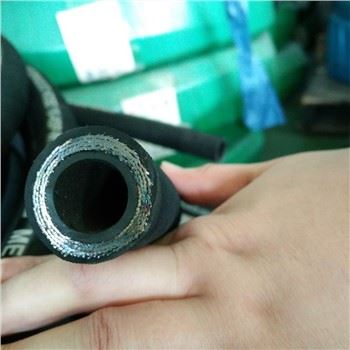
If you’re ready to stop dealing with flimsy hoses that collapse or leak, and start getting something that works as hard as you do, hit us up to chat about your needs. We can walk you through the different options, answer any questions you have, and make sure you get the right hose for your project, no hassle.
Steam Hose References:
- American Society of Agricultural and Biological Engineers (ASABE). Agricultural Irrigation and Pumping Equipment Standards
- National Fire Protection Association (NFPA). Standard for Fire Service Suction Hoses and Fittings
- American Water Works Association (AWWA). Standards for Waterworks Suction and Discharge Hoses
- Hose Manufacturers Association (HMA). Suction Hose Design and Performance Guidelines
- Occupational Safety and Health Administration (OSHA). Guidelines for Pump and Hose Safety in Industrial Operations
Hebei Qianli Rubber Products Co., Ltd.
As one of the most professional suction hose manufacturers and suppliers in China, we have world-leading production equipment and strong manufacturing capabilities. Please feel free to buy bulk durable suction hose made in China here from our factory.
Address: West industrial Zone, Jing County, Hengshui City, Hebei Province, China.
E-mail: manager@hebeiqianli.com
WebSite: https://www.qianlirubber.com/
