When I first started out in the annealing furnace supply business over 18 years ago, the conversation I’d have with a potential customer usually centered around two things: does your furnace hold a consistent temperature, and how quickly can it be delivered. Back then, annealing was seen as a pretty straightforward step in metal processing—heat a part, hold it at a specific temperature, cool it down, and you’ve got a material that’s easier to machine, less prone to cracking, and ready for the next stage of production. But in the last five years, that conversation has shifted dramatically. Walk into any metal fabrication shop, aerospace component plant, or automotive stamping facility these days, and the first question they ask isn’t just about temperature control—it’s about energy efficiency, data accuracy, and how the annealing process fits into their bigger, smarter production lines. That’s the trend driving every decision we make here, and it’s changing the way we design, build, and support annealing furnaces every single day. Annealing Furnace
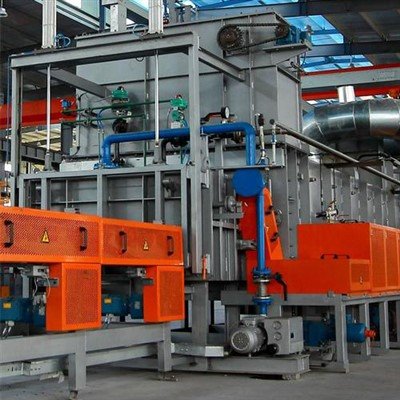
Let’s start with the most obvious shift, and the one that’s been at the top of every customer’s priority list since energy costs spiked in 2022: the push for massive energy reduction in annealing. For a long time, annealing was one of the most energy-heavy steps in metal manufacturing. You’re heating large batches of metal to hundreds or even thousands of degrees, holding that temperature for hours, then cooling it over days. A lot of that heat would escape through furnace walls, doors, and even the cooling process itself. But now, customers aren’t just asking for “less energy use”—they’re asking for furnaces that can cut their energy bills by 30%, 40%, even 50% compared to older models. That’s led to a whole wave of design changes we’ve been rolling out over the last three years. We’ve started using advanced refractory materials that retain heat far better than the old standard bricks—materials that are denser, have lower thermal conductivity, and don’t break down as quickly with repeated heating and cooling cycles. We’ve also redesigned the furnace doors to use airtight seals that eliminate any heat leakage during the heating and holding phases; in some of our recent installations, we’ve measured that seal alone is saving a customer $12,000 a year in energy costs for a single 10,000-cubic-foot furnace.
Another big part of this energy trend is precision temperature control. Not long ago, if a furnace was within 10 degrees of the set point, it was considered good enough. But today, industries like automotive and aerospace need exact material properties. If a steel part is annealed to a hardness of Rockwell B 75 instead of 72, it might crack during stamping or fail fatigue tests later on. So we’ve upgraded our temperature monitoring systems to use 12 to 24 thermocouples throughout the furnace chamber, not just 2 or 3 like we used. These thermocouples feed real-time data to a PID controller that adjusts gas flow and heating elements every 10 seconds, keeping the temperature within plus or minus 1 degree of the set point. A customer in Detroit was struggling with 8% scrap rates on their steel transmission gears because of inconsistent annealing temperature; switching to our precision-controlled furnace cut that scrap rate down to 1.2% in their first six months of operation. That’s not just about energy—it’s about turning energy savings into material savings, which is even more valuable to a manufacturer.
Next up is the move toward full automation and data integration, which is maybe the biggest shift I’ve seen in my career. Ten years ago, most annealing furnace operators were looking at a dial on the control panel, writing down temperature readings in a logbook at the start and end of each batch, and making manual adjustments if something felt off. Today, operators barely touch the furnace at all. The whole process is integrated into their plant’s main SCADA system, so when a batch of parts is ready to go into the furnace, the production line sends a signal, the furnace automatically adjusts to the correct temperature and cycle time for that specific material, and it even alerts the operator when the batch is done. The data from every single cycle—temperature over time, energy used, part load, cool down rate—gets stored in the cloud, and can be accessed from a phone, laptop, or desktop anywhere in the facility.
We recently installed a furnace for a medical device manufacturer that makes titanium hip implants. For medical parts, every step of production has to be auditable—they need to prove that each implant was annealed at the exact right temperature for the exact right time, no exceptions. Before our furnace, they were using a paper log that sometimes had human error, which meant they had to reject entire batches because of one missing or incorrect entry. Now, every cycle is timestamped, stored securely, and can be pulled up as a digital report for their regulators in 30 seconds. That kind of traceability isn’t just a nice-to-have—it’s become a non-negotiable for industries with strict quality standards, and it’s a trend that’s only going to grow as regulations get tighter worldwide. We’ve also started adding predictive maintenance features to our furnaces now: the system monitors heating element resistance, seal wear, and gas pressure in real time, and sends an alert before a part is going to fail. A customer in Ohio had a heating element go out on a Saturday night, which shut down their entire production line for three days. With our predictive system, they get a alert two weeks before a element is likely to fail, so we can schedule a replacement during a planned downtime, no emergency stops lost. That’s a game-changer for their production consistency.
I should also talk about material flexibility, which is a trend driven by the rise of new metal alloys. Five years ago, most of our customers were working with standard carbon steels and aluminum alloys. Now, they’re experimenting with high-strength steels for electric vehicle chassis, nickel-based superalloys for gas turbines, and lightweight titanium alloys for aircraft parts. Each of these materials has totally different annealing requirements—some need to be heated slowly, some need to be cooled quickly, some need an inert atmosphere to prevent oxidation. So we can’t just build a one-size-fits-all furnace anymore. We’ve started designing furnaces with modular control systems, so a customer can easily adjust the temperature cycle, atmosphere type, and cooling rate for new materials without buying a whole new furnace. One of our regular customers, a major aerospace parts supplier, recently added a new titanium alloy to their production line and was able to reconfigure their existing furnace in 48 hours, instead of waiting six months for a custom model. That flexibility has become a huge selling point, especially as industries invest heavily in new materials to meet net-zero and electric vehicle goals.
But here’s the thing: all these trends aren’t just about new technology. They’re still about the core job of an annealing furnace—to deliver consistent, reliable material properties, no matter what the customer is making. Last year, we had a customer who tried to save money by buying a cheap, imported furnace that promised all the “smart” features but cut corners on heat retention and seal quality. Within six months, their energy bills were 40% higher than we’d quoted them, and they had to scrap 10% of their parts because of temperature inconsistencies. They ended up reaching out to us to replace that furnace, and I realized that even with all the new technology, the basics still matter. So we’re not just chasing flashy trends—we’re integrating smart features and energy efficiency without sacrificing the reliability that customers have depended on for decades. That balance is what keeps businesses running, and it’s what makes our furnaces stand out in a market full of new, untested technology.
Looking ahead, I see two more trends that are going to shape annealing furnace development over the next five years. The first is even tighter integration with renewable energy. More and more manufacturers are switching their facilities to solar or wind power, and they want their annealing furnaces to work seamlessly with that variable power supply. Right now, most furnaces are designed for a steady grid power supply, but we’re starting to build models that can adjust their heating cycles to use excess solar power when it’s available, and hold off on heating when power is more expensive or less reliable. We’ve got a pilot project running with a solar-powered auto parts plant in Arizona that’s already cutting their energy costs by 22% by aligning furnace operation with their solar production. The second trend is smaller, modular furnaces for small and medium businesses. For a long time, annealing furnaces were big, custom-built units that only made sense for large corporations. But now, small fabrication shops and job shops are asking for compact, affordable, smart furnaces that can handle smaller batches, which is perfect for custom parts and prototypes. We just launched a line of table-top and floor-standing modular furnaces designed for these smaller customers, and we’re already getting orders from shops that were previously relying on third-party annealing services, which cut their lead times in half.
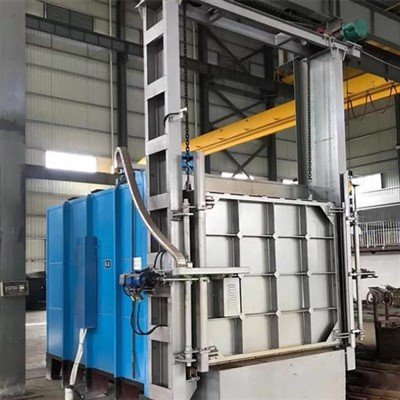
I’ve been in this industry long enough to know that technology changes fast, but the need for trust never does. When a customer buys an annealing furnace, they’re not just buying a piece of equipment—they’re betting that their parts will be consistent, their production will keep running, and their costs will stay manageable. That’s why we don’t just sell furnaces; we work with our customers from the initial design phase, through installation, and for the entire lifespan of the equipment. We provide 24/7 support, regular maintenance checks, and software updates to make sure their furnace is always running at peak efficiency.
Tempering Furnace If you’re looking to upgrade your annealing process, or you’re tired of dealing with high energy costs, scrap rates, and unreliable equipment, I’d be happy to sit down with your team, talk through your specific needs, and help you find a solution that fits your production goals. Every customer’s operation is different, and there’s no one perfect furnace for every job, but with the current trends in energy efficiency, automation, and flexibility, there’s definitely a model that can work for you. Don’t hesitate to reach out to us to discuss how we can improve your annealing process and help your business grow.
References
- Metal Finishing Journal. (2023). "Energy Efficiency Advances in Industrial Heat Treatment Equipment."
- Aerospace Manufacturing and Design. (2022). "Traceability Requirements for Critical Metal Components in Medical and Aerospace Applications."
- International Energy Agency. (2024). "Energy Use in Metal Fabrication and Opportunities for Reduction."
- Society of Manufacturing Engineers. (2023). "Automation and Data Integration in Industrial Furnace Systems."
- Automotive Engineering International. (2022). "New Alloy Development and Processing Requirements for Electric Vehicle Components."
Danyang Dingfeng Industrial Furnace Co., Ltd.
Danyang Dingfeng Industrial Furnace Co., Ltd. is one of the most experienced annealing furnace manufacturers and suppliers in China, also supports customized service with low price. Please feel free to wholesale high quality annealing furnace made in China here from our factory. For pricelist, contact us now.
Address: Lizhuang Economic Development Zone, Danyang City
E-mail: saleszk@dffurnace.com
WebSite: https://www.dffurnace.com/
