What materials are used in gable top carton juice filling machines? If you’ve ever walked the aisles of a grocery store and grabbed a cold carton of apple juice or cranberry juice, you’ve probably wondered how that perfect, leak-proof container gets filled, sealed, and ready to ship—all in a matter of seconds. As someone who’s been supplying gable top carton juice filling machines for over a decade, I can tell you the materials we choose for these machines aren’t random. Each part has a job, and cutting corners on materials leads to downtime, product waste, and unhappy customers (that’s you, the juice brand owner reading this). Gable Top Carton Juice Filling Machine
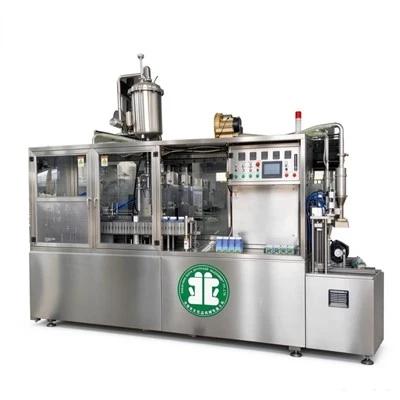
Let’s break this down. A gable top filling machine isn’t a single block of metal—it’s a system of moving parts, contact surfaces, and structural elements that interact with both packaging materials (the gable top cartons themselves) and the juice inside. The right materials mean your machine runs smoothly for 10+ years, keeps juice safe from contamination, and cuts down on maintenance costs. Here’s what we actually use in the machines we build, no fancy jargon, just real talk.
First, the big structural stuff: the frame and main machine body. You need something sturdy enough to hold all the heavy carton feeders, filling heads, and sealing units without bending or vibrating too much when it’s running 24/7. We don’t use cheap steel here—we go with food-grade 304 stainless steel. Wait, why not 316? 316 is more corrosion-resistant, but it’s also way pricier, and for most juice applications, 304 holds up great. We only use 316 if a customer is handling super acidic juices (like citrus or pomegranate) that would eat through 304 over time. Why stainless steel at all? It’s tough, easy to wipe down, and doesn’t rust—critical for a food machine that needs deep cleanings every shift. You don’t want rust flakes falling into a carton of orange juice, trust me.
Next, the parts that touch the juice—this is non-negotiable, and where we see other suppliers try to skimp. The filling heads, product lines, and the pipes that carry juice from your holding tank to the cartons all have to be food-safe, meaning they can’t leach chemicals into the juice or absorb bacteria. Again, food-grade stainless steel is the go-to, but we use electropolished stainless steel here. Wait, what’s electropolishing? It’s a process that smooths out the tiny rough spots on metal, so there’s nowhere for bacteria to hide. If you just sand a metal pipe, you get little crevices that get gunked up during production and breeding grounds for germs. Electropolished 304 (or 316 for high-acid juices) eliminates that. We’ve had customers switch to other machines with unpolished metal pipes and get hit with food safety audits—total headache. That’s why we prioritize this.
Then there are the parts that handle the gable top cartons themselves. These cartons are made of a paperboard base coated with polyethylene (plastic) and sometimes aluminum for shelf stability. The parts that pick up the flat blank cartons, fold them into shape, and fill them need to be gentle enough not to tear the carton, but tough enough to handle thousands of blanks a day. For the grippers, vacuum cups, and folding rollers, we use two main materials: food-grade silicone and ultra-high-molecular-weight polyethylene (UHMWPE). Silicone is perfect for vacuum cups because it’s soft, has great suction, and won’t stick to the plastic coating on the cartons. We use a specific type of silicone that’s rated for food contact, so no rubber bits flaking off into the cartons. UHMWPE is the stuff those cutting boards are made from, but it’s way tougher. Folding rollers glide over the carton’s edges, and if you use regular plastic, it’ll wear down in a few months. UHMWPE is low-friction, doesn’t need much lubrication, and lasts for years—way cheaper than replacing rollers every quarter.
Wait, what about lubrication? I know, it’s a gross topic, but moving parts need lube to not seize up. We don’t use regular motor oil here—absolute food-grade lubricants only. Specifically, we use NSF H1 certified lubricants, which are made to touch food accidentally. That’s super important because if a seal leaks or a bearing breaks, the last thing you want is motor oil getting into the juice. Some cheaper suppliers use generic lubricants to cut costs, and that’s a huge red flag for juice brands that have to meet FDA or EU food safety rules. We even line our lubrication reservoirs with stainless steel to keep the lube clean and prevent contamination.
Now, the electrical and control parts—people forget about these, but they’re just as important. The machine’s brain, the PLC (programmable logic controller) that adjusts fill volumes, detects empty cartons, and stops if there’s a jam, needs parts that can handle a wet, messy environment. We use industrial-grade electrical components, not consumer-grade stuff like you’d find in a home appliance. Consumer components can short out if they get splashed with cleaning water or juice, leading to costly repairs. All our wiring is enclosed in stainless steel conduit too, so juice or cleaning solution can’t get into the electrical parts. That’s a big one for plants that do CIP (Clean-in-Place) processes, where they spray high-pressure, high-temperature water all over the machine to sanitize it. Regular electronics would die after a few CIP cycles, but ours are built for it.
Wait, let’s talk about seals—gaskets and o-rings. These are the unsung heroes of the filling machine. They make sure juice doesn’t leak out the filling head, and cleaning water doesn’t get into the electrical parts. We use a mix of nitrile rubber and EPDM rubber for these, depending on where they are. Nitrile is great for contact with oils (though we use food-grade, so it’s safe) and is super durable for sealing the filling heads. EPDM is better for parts that are exposed to moisture, like the machine’s outer panels, because it’s resistant to temperature changes and won’t crack from being sprayed with hot water. We test every seal before the machine leaves our shop to make sure it doesn’t leak—nothing worse than a machine that drips juice all over the factory floor.
I want to be real with you here: some suppliers will tell you they use “high-quality materials” but never specify, and they’ll charge you 20% less upfront, but then you’re replacing parts every 6 months. That’s not a deal, that’s a hassle we don’t want our customers to deal with. We’ve had customers come to us after buying a cheap machine that broke down 18 months later, and they had to shut down their production line for a week while waiting for parts. By the time they fixed it, they’d lost tens of thousands of dollars in lost juice and missed delivery deadlines.
Let’s also touch on why these materials matter for your end product. If the filling machine’s parts leach even tiny amounts of chemicals into the juice, that can change the taste or make it unsafe for consumption. For example, regular plastic pipes can add a weird plastic taste to the juice—something you definitely don’t want your customers complaining about. The food-grade materials we use don’t react with any fruit juices, so the taste stays exactly as it should. That’s why our customers can keep their juice recipes consistent, batch after batch.
Another thing: maintenance. Our machines use materials that are easy to clean, which saves your team time. The stainless steel frame can be wiped down with just a cloth and mild soap, no special cleaners needed. The UHMWPE rollers don’t harbor bacteria, so you don’t have to scrub them hard during sanitation. Cheaper materials, like painted steel, can peel and get gunk stuck under the paint, leading to extra cleaning time and potential contamination.
Wait, what about gable top cartons—does that tie into the machine’s materials? Sort of. Some juice brands use thinner cartons to save on packaging costs, and our machine’s parts can handle that without tearing, because we use soft silicone grippers. If a machine uses hard metal grippers, they’ll puncture thin cartons all day long, leading to product waste. That’s a big cost for small to medium juice brands, so our material choice is actually tailored to work with all types of cartons, from thin budget ones to thicker premium ones.
I’ve been in this industry for long enough that I’ve seen the bad and the good. A few years back, we supplied a machine to a small craft juice brand that had been using a cheap competitor’s machine. They were having so many issues with leaking seals and rusted parts that they were about to close. We swapped out their old machine for one with our stainless steel and food-grade components, and within 6 months, their downtime dropped by 90%. They still tell us that’s one of the best investments they made.
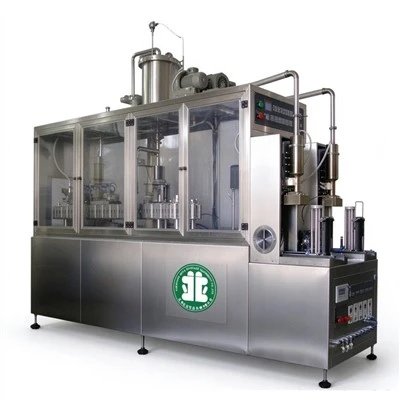
Here’s the thing: when you’re buying a gable top carton juice filling machine, you’re not just buying a hunk of metal. You’re buying a system that keeps your juice safe, your production running, and your customers happy. The materials aren’t just specs on a page—they’re what make that happen. We don’t cut corners because we want our customers to stick around, and we know if their machines work well, they’ll refer us to other brands.
Coffee Bean Filling Machine If you’re in the market for a gable top carton juice filling machine, or you’re looking to upgrade your current one, we can walk you through exactly how each material works for your specific needs. Whether you’re making apple juice, orange juice, or something more niche like cold-pressed kale juice, we can tweak the material choices (like switching to 316 stainless for super acidic juices) to fit your process. We don’t do one-size-fits-all here, and we’re happy to answer any questions you have about materials, performance, or maintenance. Don’t hesitate to reach out to our team to talk through your requirements—we’re here to help you get a machine that works as hard as your business does.
References
- Food and Drug Administration (FDA). (2023). Food Grade Materials: Guidance for Food Contact Surfaces. U.S. Department of Health and Human Services.
- European Food Safety Authority (EFSA). (2022). Safety Assessment of Plastics and Polymers for Food Contact Applications. EFSA Journal.
- Geyer, R., et al. (2016). Production, Use, and Fate of All Plastics Ever Made. Science Advances.
- Association for Packaging and Processing Technologies (PMMI). (2021). Material Selection Guidelines for Food Processing Machinery. PMMI Media Group.
- International Organization for Standardization (ISO). (2020). ISO 15502: Food Processing Machinery – Hygiene Requirements. International Organization for Standardization.
Shenyang Beiya Beverage Machinery Co., Ltd.
With abundant experience, we are one of the most professional gable top carton juice filling machine manufacturers and suppliers in China. If you’re going to buy customized gable top carton juice filling machine made in China, welcome to get quotation from our factory. For price consultation, contact us.
Address: No.2-1, Tongling Street, Yuhong District, Shenyang City, Liaoning Province, China
E-mail: market@sybeiya.com
WebSite: https://www.chinafilling.com/
