Yo, let’s cut to the chase: if you’ve ever worked with high-quality, rendered pork fat (that’s Adeps Solidus, for the uninitiated), you’ve probably asked the same question at some point: Is it actually worth the price tag? As a supplier who’s been at this for over a decade, I’ve fielded this query from home bakers, Michelin-starred pastry chefs, charcuterie makers, and even folks who just found it at a specialty grocery store and winced a little at the checkout. The short answer? Yeah, it’s pricey—but there’s a lot more behind that number than just “some fat from a pig.” Let’s break this down like I chat with my customers every day. Adeps Solidus
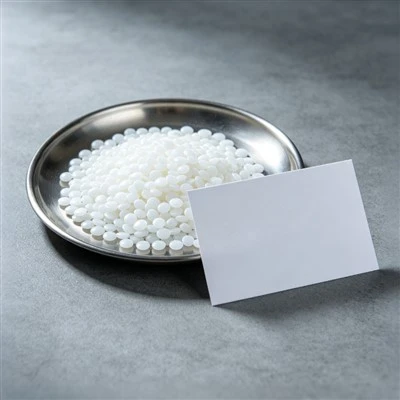
First, let’s make sure we’re on the same page about what Adeps Solidus is. It’s not that generic lard you grab in a plastic tub at the regular supermarket—you know, the stuff that sometimes has added preservatives or even water. No, this is the pure, rendered, leaf lard from a pig’s kidney area, sometimes called “leaf fat” because of how it looks. It’s solid at room temp, has a super mild, nutty flavor, and melts evenly—perfect for flaky pie crusts, tender pastries, and even sautéing things that need a rich, clean fat taste. Think about a buttery croissant that melts in your mouth? Half the magic’s in Adeps Solidus.
Now, why does it cost what it does? Let’s start with the source. Not all pigs are the same. The pigs we work with are raised on small, family farms in the Midwest—no factory farms, no added antibiotics, no weird fillers in their feed. These pigs get to root around outdoors, eat a mix of grains and legumes, and live a little longer than the 6-month pigs you see at big agribusiness. The leaf fat only makes up about 2-3% of a pig’s total weight. So for every 100 pigs we process, we’re only getting 200-300 pounds of Adeps Solidus. That’s not a lot compared to, say, bacon or regular ground pork, which comes from way larger cuts.
Then there’s the processing. Rendering leaf fat isn’t just tossing it in a pot and melting it down. First, we have to trim every little bit of connective tissue, meat, or blood spots off the leaf fat. If you skip that, the fat gets “gamey” or has a weird texture. Then we render it low and slow, over low heat, for hours—not high heat, which can burn the fat and ruin that mild flavor. We also filter it twice through cheesecloth to get rid of any sediment, so the final product is clear, white, and smooth, no grit. All that labor? It adds up. Unlike generic lard, which often uses high-heat rendering and skips trimming, our Adeps Solidus doesn’t cut corners.
Wait, but what about cheaper options? Some suppliers sell lard for half the price. Let’s be real—most of that is not leaf fat. It’s back fat, which is a different cut, or even a mix of fats from different parts of the pig. Back fat is denser, has a stronger flavor, and doesn’t flake as well in pastries. And a lot of those cheaper brands use rendered fat from factory-farmed pigs, sometimes even imported, with no way to trace where it came from. You get what you pay for here: a $5 tub of lard might taste fine in cornbread, but you won’t get that buttery flakiness that makes pie crusts stand out, and it might have added preservatives to make it last longer on grocery store shelves.
I’ve seen this firsthand. A few years back, a young pastry chef came to us after blowing a batch of croissants on cheap lard. She told me her crusts were tough, had a weird aftertaste, and wouldn’t hold their shape in the oven. We sent her a test jar of Adeps Solidus, and she texted me an hour later saying, “This is why everything changes.” That’s the thing about this fat: it’s not a luxury—for people who know what it’s for, it’s a necessary ingredient. If you’re making a Thanksgiving pie that your family talks about for years, or croissants for a café that customers line up for, cheap lard isn’t going to cut it.
Another cost factor: shelf life and quality control. Adeps Solidus is all about purity, so we don’t add any preservatives, artificial colors, or flavors. That means it has a shorter shelf life than generic lard—about 6 months in the fridge, a year in the freezer. But it also means it tastes like actual fat, not chemicals. We also test every batch for pathogens, fat content, and flavor. If a batch doesn’t meet our standards, we dump it. No cutting corners. A big brand can get away with passing off lower-quality fat because they have volume, but we’re small enough to care about every single jar we ship.
Wait, let’s talk numbers to put this in perspective. A 1-pound jar of our Adeps Solidus runs about $12-$15. That might seem steep, but let’s compare it to butter. Good European butter is $4-$5 a pound, right? And butter has about 80% fat, with water and milk solids. Our Adeps Solidus is 99% fat—no water, no solids. So if you’re using it in a pie crust, you might use half as much as butter to get the same flakiness. Let’s do the math: a pie crust uses about 4 ounces of fat. With butter, that’s $1.50-$2.00. With Adeps Solidus, that’s $3.00-$3.75. But the difference in texture? The pie crust is 100x flakier, has a richer, milder flavor, and won’t get soggy (I’ve had that problem with butter-based pies—gross). For a home baker, that’s a splurge for a special occasion. For a commercial bakery that sells hundreds of pies a day, it’s an investment in quality that keeps customers coming back.
I get it, though. Not everyone needs Adeps Solidus. If you’re making chili or frying potatoes, generic lard or even vegetable oil is totally fine. But if you’re into baking, charcuterie, or gourmet cooking, it’s a game-changer. I’ve also had customers tell me it’s great for frying chicken—crispier than oil, and the flavor is so clean you don’t taste any “fat” aftertaste. That’s because leaf fat is neutral, so it doesn’t overpower the food you’re cooking.
Another thing a lot of people don’t talk about: traceability. We can tell you exactly where each batch of Adeps Solidus came from—which farm, which pig, even when it was processed. That’s not something you get with a $5 lard tub. For chefs who care about their supply chain, that’s huge. They can tell their customers, “This pie is made with leaf fat from pigs raised in Iowa, no antibiotics, no GMO feed.” That’s a selling point. It adds a level of transparency that big suppliers can’t offer.
Now, let’s address the elephant in the room: are there ways to save money if you love Adeps Solidus? Sure. We sell bulk 5-gallon pails to commercial clients, which works out to about $8-$9 a pound—way cheaper than the retail jars. If you’re a home baker who goes through a lot, buying a 5-gallon pail and freezing it (it freezes great, no texture change) is a no-brainer. We also do limited-time bundles for bakers who want to test different cuts, but that’s more for people who know they’ll use it quickly.
I’ve been in this business long enough to hear all the complaints: “It’s too expensive,” “Why can’t it just be cheap like lard?” But here’s the thing—when you pay for Adeps Solidus, you’re paying for care. You’re paying for a farmer who treats their pigs right, for a team that trims every ounce of connective tissue by hand, for rendering that takes hours instead of minutes, and for quality control that throws away bad batches instead of selling them. That’s not a luxury markup—that’s the cost of doing it the right way.
At the end of the day, Adeps Solidus is only expensive if you don’t know what it does. If you’re someone who values quality ingredients, who cares about how your food tastes and how it’s made, it’s worth every penny. It’s not for everyone, and that’s okay. But if you’re curious, we’d love to send you a sample or walk you through how to use it in your next batch of pie crust, croissants, or fried chicken.
If you’re a home baker, chef, or business owner looking to source high-quality Adeps Solidus, reach out to us to chat about your needs—we can work with you on bulk orders, answer any questions you have, and even share recipes that make the most of this amazing fat.
Adeps Solidus References:
- USDA Agricultural Marketing Service. (2022). Livestock Slaughter: 2022 Summary. U.S. Department of Agriculture.
- Food and Agriculture Organization of the United Nations. (2021). Rendered Animal Fat: Production, Quality, and Applications. FAO.
- Journal of Culinary Science & Technology. (2019). “Sensory Analysis of Leaf Lard vs. Alternative Fats in Pastry Applications.” Taylor & Francis.
- American Pastry Association. (2020). “Ingredient Profiles for Artisanal Baking.” APA.
Jiaxing Mingsheng Biological Technology Co., Ltd.
We are one of the most professional adeps solidus manufacturers and suppliers in China, featured by quality products and good price. Please rest assured to wholesale high-end adeps solidus for sale here from our factory. Contact us for more details.
Address: No.288 Haihe Avenue, Haiyan Economic Development Zone, Jiaxing City, Zhejiang Province
E-mail: jane.yang@ms-collagen.com
WebSite: https://www.ms-collagen.com/
