If you’re here because you’re putting together (or upgrading) an LNG vaporization station, chances are you don’t want a generic list of parts that might not hold up when the pressure’s on, or in the kind of extreme cold and heavy throughput these stations deal with every day. I’ve been selling vaporization stations for a little over a decade, and the number one mistake I see new operators make is cutting corners on key pieces of equipment just to save a few bucks upfront—only to deal with leaks, downtime, or safety scares later. Let’s break down exactly what you actually need, no fluff, no overkill, just the stuff that keeps these stations running 24/7, 365 days a year. LNG Vaporization Station

First off, you can’t even start the process without a solid LNG storage tank. I know, I know, some suppliers will try to sell you a dented, used tank that’s been sitting in a yard for years as “good enough” for a vaporization station. Don’t fall for it. LNG is super-cold—around -162°C (-260°F)—so the tank has to be vacuum-insulated, double-walled, and made from materials that won’t crack or get brittle when exposed to those temps. That means inner tank is usually 9% nickel steel or aluminum, outer tank is carbon steel, with a perfect vacuum gap filled with insulation like perlite or polyisocyanurate foam. We source our storage tanks from certified fabricators that test every single one for leaks and insulation integrity before it even leaves the yard. And size matters, obviously—you don’t want a tank that’s too small to meet peak demand, but you also don’t want to pay for a tank that’s way bigger than you’ll use for years. We do a site-specific load calculation for every customer, so they get exactly what they need, no extra cost for unused capacity.
Next up, the vaporization system is the whole point of the station. There are two main types, and I always tell customers to pick based on their location and energy costs. First, ambient air vaporizers (AAVs)—these are the most common, and they’re the cheapest to run long-term because they use free ambient air to warm up LNG. They’re basically big, finned tubes made of aluminum (light, corrosion-resistant, perfect for cold temps) that LNG flows through, and air blows over the fins to heat it up. But AAVs don’t work great in really cold climates where it snows or freezes a lot—ice builds up on the fins, blocks airflow, and slows down vaporization. That’s where intermediate fluid vaporizers (IFVs) come in. IFVs use a closed loop of a fluid like propane or butane that’s warmed by a separate heat source (could be waste heat from another process, or even electric heaters) to heat the LNG. They’re more expensive upfront, but they work in any weather, no icing issues. We can configure either, and we usually include a backup heater too, just in case you have a day where ambient temps are way lower than average or there’s a sudden spike in demand.
Wait, I should mention cryogenic pumps too, right? If you’re feeding the vaporized gas into a high-pressure pipeline, you need to boost the pressure of the LNG before it goes into the vaporizer. That’s where cryogenic submerged pumps come in—they sit inside the storage tank, so they’re always submerged in cold LNG, which keeps the pump lubricated and prevents it from seizing up from low temps. You don’t want a pump that has to handle LNG that’s not subcooled, because that can cause cavitation—when bubbles form in the fluid, damage the pump, and make it stop working. All our pumps are designed specifically for cryogenic service, with stainless steel impellers and sealed shafts that won’t leak. We also include a pump control panel that adjusts the flow rate automatically, so you don’t have to have someone monitoring the pump 24/7.
Now, safety stuff—this is non-negotiable. LNG is odorless, flammable, and if it leaks, it can displace oxygen really fast (which is a suffocation hazard, even before you have to worry about fire). First, you need pressure relief valves on every single piece of equipment that holds LNG or vaporized gas. If the pressure gets too high, the valve opens and releases the excess gas safely, so you don’t have a tank rupture. Then there’s leak detection systems—we install both thermal cameras and gas detectors that are calibrated specifically for LNG, so they can pick up even tiny leaks before they become a problem. The detectors are set to trigger an alarm, and if the leak is big enough, they’ll automatically shut off the flow of LNG and activate ventilation fans to clear the area. Also, all piping and fittings have to be rated for cryogenic service—no regular steel or plastic here. We use seamless stainless steel piping, with special cryogenic gaskets that won’t crack when exposed to cold. No exceptions.
Wait, what about controls and monitoring? You can’t run a modern vaporization station with just a manual valve and a stopwatch. You need a SCADA system that lets you monitor pressure, temperature, flow rate, and leak status from a central control room, or even from your phone if you’re off-site. The system should have alerts that send you text or email notifications if something’s off—like if the pump’s pressure drops, or the vaporizer’s inlet temp is too low. We program all our SCADA systems to be customizable, so you can set the parameters that matter most for your specific operation. We also include regular software updates, so you don’t have to worry about your control system being outdated in a few years.
Oh, and don’t forget ancillary equipment that makes everything run smooth. First, filter separators on the inlet of the LNG line—LNG can have small particles or moisture in it, and if that gets into the pump or vaporizer, it can cause damage over time. The filter separators catch those contaminants, and they’re easy to clean or replace, so you don’t have to shut down the whole station to fix a small issue. Then there’s vent stacks—you need a safe place to release excess LNG or vaporized gas during startup, shutdown, or maintenance. The stacks are tall enough to make sure any released gas disperses safely into the atmosphere, and they’re designed to prevent any flame from getting back into the station (backflow prevention, basically). We also include drainage systems for any condensed moisture or spilled LNG, so it doesn’t pool on the ground and become a safety hazard.
I know some customers will ask, “Can we get a smaller, cheaper station for our small operation?” And yes, you can, but you still need all these core components—you just scale them down, not skip parts. I once had a customer who tried to save money by using a regular water heater as a backup, and it corroded after six months because it wasn’t rated for cryogenic heat transfer. They ended up spending twice as much to replace it and fix the damage it caused to the vaporizer. That’s the thing about LNG equipment—cutting corners always costs more in the long run.
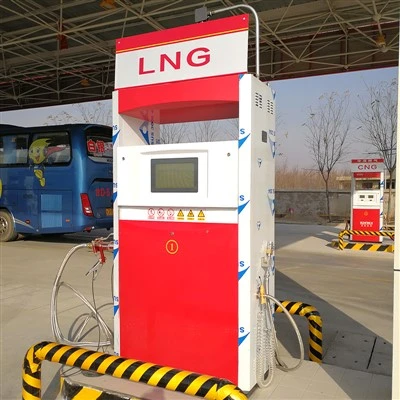
If you’re putting together a vaporization station, whether it’s for a small industrial facility, a power plant, or a pipeline feed, the key is to work with a supplier that actually knows this stuff. We don’t just sell you a box of parts and send you on your way—we do site surveys, help you pick the right size and type of equipment, install it, train your staff on how to operate it safely, and provide ongoing maintenance support. We’ve installed stations in all kinds of climates—from the cold plains of Canada to the hot, dry deserts of the Middle East—and we know exactly what works in each place.
Marine LNG Bunkering & Fuel Gas Supply Systems If you’re ready to stop messing around with underperforming, risky equipment and get a vaporization station that runs reliably, safely, and within your budget, reach out to us to discuss your project. We’ll give you a custom quote, no hidden fees, no sales pressure—just honest advice based on years of experience in the LNG industry.
References
- LNG Cryogenic Equipment Standards, American Petroleum Institute (API) Standard 620, 2021
- Vaporization System Design Guidelines, Gas Processors Association (GPA) Standard 2145, 2019
- Safety Standards for LNG Facilities, National Fire Protection Association (NFPA) 59A, 2022
- Cryogenic Pump Selection and Maintenance Handbook, Hydraulic Institute, 2020
Chengdu Hi-tech Panda Energy Technology Co., Ltd.
With abundant experience, we are one of the most professional LNG vaporization station manufacturers in China. Please feel free to buy high quality LNG vaporization station for sale here from our factory. Also, customized service is available.
Address: No.1604, 16th Floor, Unit 2, Building 1, No.1700, North Section of Tianfu Avenue, Chengdu High-tech Zone, China (Sichuan) Pilot Free Trade Zone
E-mail: Haikepanda-sos@aliyun.com
WebSite: https://www.haike-energe.com/
