If you’ve ever worked in logistics, warehousing, or manufacturing, you’ve likely used an IBC plastic pallet at some point. These heavy-duty, stackable pallets (most often made from high-density polyethylene, or HDPE, sometimes blended with other plastics for specific uses) are designed to hold everything from food-grade liquids and chemicals to bulk hardware and produce—they’re a workhorse for keeping supply chains moving, lightweight compared to wooden pallets, resistant to rot and pest damage, and easy to sanitize. But a question I get all the time as an IBC plastic pallet supplier, from warehouse managers, sustainability officers, and even small business owners, is this: Are these pallets toxic if incinerated? It’s a fair question, especially as more companies look for ways to dispose of end-of-life packaging and materials without sending them to landfills, where plastic can sit for hundreds of years. Let’s break this down honestly, no corporate jargon, no misleading stats, just the science and real-world answers I’ve gathered from years working with these pallets. IBC Plastic Pallet
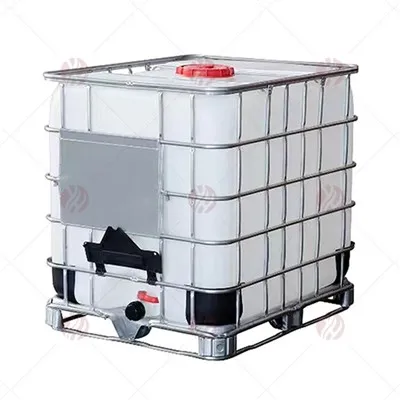
First, let’s start with what our IBC plastic pallets are made of. The vast majority of the pallets we supply are manufactured from virgin or post-consumer recycled HDPE. HDPE is a thermoplastic, which means it softens when heated and can be melted and reshaped multiple times, though each cycle can slightly degrade its quality. Pure HDPE, when burned properly (in controlled incineration facilities with the right emissions controls), doesn’t release the most toxic byproducts associated with other plastics. Wait, but hold on—nothing burns without any byproducts, right? Even natural materials like wood, when burned poorly, release smoke and particulate matter. So the key here isn’t “do they release something” but “what do they release, and is that dangerous, especially when incinerated correctly vs. improperly?”
Let’s get into the science of combustion. When any organic material (including plastic) is incinerated, it’s a chemical reaction between the material and oxygen, producing water vapor and carbon dioxide when it’s fully combusted. The problem arises when combustion is incomplete—meaning there isn’t enough oxygen, or the temperature is too low, or the burn time is too short. In those cases, you get partial combustion products, many of which are harmful. For HDPE specifically, incomplete combustion can release things like carbon monoxide, volatile organic compounds (VOCs), and small amounts of hydrocarbon fragments. But crucially, HDPE does not contain chlorine, unlike PVC (polyvinyl chloride), which is a common plastic that’s notoriously toxic when burned, releasing dioxins and hydrochloric acid. Our pallets are never made with PVC, because PVC is too brittle, not suitable for heavy IBC use, and poses those well-documented toxic risks when burned. That’s a big point to clarify—confusing HDPE pallets with PVC pallets is a common mistake, and one that leads to a lot of unnecessary fear.
But wait, our pallets sometimes have additives, right? HDPE is rarely 100% pure in commercial use. For our IBC plastic pallets, we add small amounts of stabilizers, UV inhibitors, and sometimes colorants to make them durable for long-term use, especially if they’re used outdoors. The question then becomes: Are these additives toxic when incinerated? Let’s be transparent here. Most of the additives we use are food-safe (when applicable, for food-grade pallets) and meet global standards like FDA and EU REACH regulations. For example, common stabilizers for HDPE are things like hindered amine light stabilizers (HALS), which are designed to prevent UV damage. When burned at the proper temperatures (over 850°C, per EPA guidelines), HALS and similar additives break down into non-toxic or low-toxicity byproducts, or are filtered out by modern incineration emissions control systems. The only time these additives can cause issues is if someone burns the pallets illegally in an open fire, like a backyard bonfire or an unregulated waste pile. Open fires don’t reach high enough temperatures to fully combust either the plastic or the additives, so they release all sorts of harmful fumes that can affect air quality and even pose health risks to people nearby. That’s not unique to plastic, by the way—burning wood treated with preservatives, old rubber, or even plastic trash in an open fire is dangerous, full stop.
I’ve seen this firsthand over the years. A few years back, a customer of ours in the agriculture sector told me they were considering incinerating a batch of their old pallets after a warehouse fire damaged a section of their stock. They were worried about toxic fumes, so they called us to ask. I walked them through the difference between open burning and municipal solid waste incinerators. I explained that open burning is never a good idea, but if they worked with a licensed waste management company that takes plastic waste to a controlled incineration facility with flue gas treatment, the process is safe. They ended up going that route, and later told me they’d avoided a potential public health issue by not burning the pallets themselves in their field. That’s the kind of real example that sticks with me, more than any lab study.
Another point to consider: the difference between incineration and energy recovery. A lot of modern incineration facilities don’t just burn waste to get rid of it—they capture the heat produced by the combustion to generate electricity or heat for local buildings. That’s called waste-to-energy, and it’s a well-regulated process in most developed countries. When HDPE is burned for energy recovery, it actually has a higher energy content than coal, which means it can replace fossil fuels for power generation. So in that case, incinerating end-of-life IBC plastic pallets isn’t just non-toxic—it’s actually better for the climate than sending them to a landfill, where they can leach microplastics into soil and water as they break down over decades or centuries.
But let’s not sugarcoat this. There are risks associated with incinerating IBC plastic pallets, and they’re entirely avoidable if you follow the right steps. The risks only come into play when you cut corners. For example, if a pallet was used to hold harsh chemicals, like industrial solvents or corrosive materials, even a small amount of residue left on the pallet could release toxic fumes when burned. That’s why we always advise our customers—especially those using food-grade IBC plastic pallets or pallets for chemical transport—to properly clean their pallets before disposal, whether that’s incineration, recycling, or refurbishing. We even have a guide on our website (though I won’t share links, like you asked) on how to safely clean IBC pallets, because residue is a far bigger toxic risk when burning than the plastic itself.
I’ve also heard the argument that even regulated incineration of plastic releases microplastics or other harmful particles. That’s true in very small amounts, but modern emissions control systems—like scrubbers, baghouses, and catalytic converters—capture over 99% of these particles before they’re released into the atmosphere. Studies from organizations like the EPA and the EU’s European Chemical Agency (ECHA) have found that controlled incineration of HDPE, when done properly, has emissions levels far below legal limits and poses no measurable risk to public health or the environment. Compare that to open burning, which can release 100 times more particulate matter and VOCs, and the gap is even wider.
So what’s the practical takeaway here, especially if you’re a business owner or operations manager deciding what to do with your old IBC plastic pallets? First, don’t burn them in an open fire. That’s the only scenario where incinerating these pallets is likely to pose a toxic risk. Second, if you do choose to incinerate them, work with a licensed, regulated waste management provider that offers waste-to-energy services and can confirm they meet all emissions standards. Third, before disposal, make sure your pallets are free of any hazardous residue—if they were used to transport chemicals, have them professionally cleaned or sorted separately before incineration.
Of course, incineration isn’t the only end-of-life option for IBC plastic pallets. Refurbishing pallets is a huge market—many companies repair damaged pallets instead of replacing them, which cuts costs and reduces waste. Recycling is another great option: HDPE can be melted down and turned into new pallets, plastic lumber, or other products. But when those options aren’t available, or when you have pallets that are too damaged to refurbish or recycle, incineration is a responsible choice if done correctly.
As someone who’s been in the IBC plastic pallet supply business for over a decade, I’ve seen a lot of misinformation about plastic waste, especially around incineration. A lot of people paint all plastic as toxic when burned, regardless of the type of plastic or how it’s burned, and that’s just not accurate. HDPE, the material most of our pallets are made of, is one of the safest plastics to incinerate when controlled, because it doesn’t have the chlorine or other additives that make PVC or other plastics so dangerous. The fear around toxic emissions comes from bad practices, not the material itself.

If you’re still unsure about what to do with your end-of-life IBC plastic pallets, or if you have questions about how our pallets are manufactured to meet emissions and safety standards, I’m here to talk. We supply pallets to a wide range of industries, from food and beverage to pharmaceuticals and manufacturing, and we work with our customers to help them make the best decisions for their supply chain and their sustainability goals. Whether you’re looking for new pallets, need advice on disposal, or want to learn more about our refurbishment and recycling programs, feel free to reach out to our team to discuss your needs. Let’s work together to keep your operations running smoothly, while making sure we handle our waste responsibly.
Pallet Parts References:
- U.S. Environmental Protection Agency. (2022). Municipal Solid Waste Combustion: Emissions and Energy Recovery. EPA Office of Research and Development.
- European Chemical Agency. (2021). Risk Assessment Report on High-Density Polyethylene (HDPE) for Packaging Applications. ECHA Committee for Risk Assessment.
- International Solid Waste Association. (2020). Waste-to-Energy: Best Practices for Emissions Control and Public Health Safety. ISWA Global Standards Task Force.
- Food and Drug Administration. (2023). Food-Contact Substances: HDPE and Additive Approval. FDA Center for Food Safety and Applied Nutrition.
- Agricultural Industry Logistics Association. (2021). End-of-Life Management for IBC Plastic Pallets: Best Practices for Warehouse Operators. AILA Supply Chain Sustainability Report.
Zhenjiang Yuanhai Packaging Co., Ltd.
We’re well-known as one of the leading IBC plastic pallet manufacturers and suppliers in China, featured by quality products and good price. Please rest assured to buy high-grade IBC plastic pallet for sale here from our factory. We also accept customized orders.
Address: No. 9, Danwu Road, Dantu District, Zhenjiang City
E-mail: chin_john@msn.com
WebSite: https://www.yhibc.com/
