If you’re a clothing retailer gearing up for seasonal sales, you already know that great merchandise won’t sell if it’s not presented in a way that catches shoppers’ eyes. As a clothing shop furniture supplier who’s worked with hundreds of independent boutiques and mid-sized retail stores over the last 12 years, I’ve seen firsthand how a thoughtful furniture rearrangement can turn a slow seasonal event into a top-performing sales weekend. It’s not just about moving racks around—it’s about aligning your store layout with how shoppers think, move, and buy, especially when they’re hunting for seasonal deals. Clothes Shop Furniture
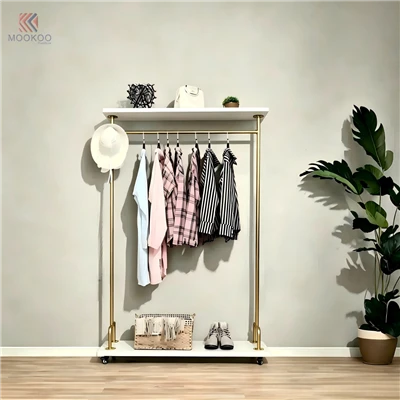
First, let’s start with why seasonal furniture rearrangement matters more than a quick clothing swap. Shoppers come to seasonal sales with two goals: they want to save money, but they also want to feel like they’re discovering something special, not just sorting through a pile of discounted clothes. A chaotic store with mismatched furniture, overcrowded racks, and dark corners will make even the best deals feel unappealing. On the flip side, a store that’s rearranged specifically for seasonal sales guides shoppers through a natural journey, highlights discount tiers, and creates small, intimate nooks where people will linger and try on clothes. I’ve had a boutique client in Portland go from a 18% conversion rate during winter clearance to 32% after we rearranged their furniture for the sale—proof that small changes in layout drive big results.
Let’s break this down step by step, starting with the foundational stuff that applies to every seasonal sale, from back-to-school swimwear promotions to end-of-year winter coat clearances.
The first step is to audit your existing furniture before you move a single piece. Too often, retailers wait until the night before a sale to rearrange, leading to rushing and making missteps. Set aside 3-4 days for this process, and start by sorting your seasonal sale merchandise into three tiers: core seasonal items (the ones you need to move most, like leftover winter puffer coats), complementary add-ons (scarves, gloves that pair with those coats), and impulse buys (small accessories like hats or socks that are easy to grab). Once your merchandise is sorted, match each tier to the right type of furniture, because not all displays work for every item. For example, core bulky items (like puffer coats) need sturdy, wide-based clothing racks that won’t tip over when someone pulls multiple coats off at once. Impulse accessories, on the other hand, work best on wall-mounted shelves or countertop display stands that are close to the checkout, so shoppers see them when they’re already ready to pay.
Next, map your store’s customer flow. Shoppers entering a clothing store follow a natural path—usually from the entrance, through the main aisles, toward the fitting rooms, and then to checkout. During a seasonal sale, that path can become a bottleneck if you don’t plan ahead. I always recommend marking your store’s high-traffic zones first: the entrance, fitting room entrances, and checkout. Then, clear wide pathways (at least 48 inches wide, per retail design best practices) so that two people can walk side by side without bumping into racks. If your store has a back wall, that’s the perfect spot for your core seasonal items—they’re the last thing people pass before leaving, so they’ll notice them on their way out and may grab something on a whim. The middle of the store, where foot traffic is heaviest, is ideal for complementary add-ons, because shoppers are already focused on the main items they came to buy, so pairing accessories there makes them more likely to add to their order.
Now, let’s talk about specific furniture choices that make a big difference for seasonal sales. This is where I draw on my experience as a furniture supplier—we don’t just sell racks; we build displays that work with retail psychology. For example, seasonal sales are all about deals, so you need clear signage that ties to your displays, and furniture that lets you showcase different discount tiers. I’ve seen retailers use tiered display tables to separate items by savings: the top tier has items with 30% off, the middle tier 40% off, and the bottom tier 50% off. This works because shoppers naturally look at the top of a display first, so they’ll see the smallest discount, then work their way down to the biggest savings. If you use a single flat table for all discount items, shoppers will just sift through the pile and grab the cheapest items first, without noticing the better pairs or complementary pieces.
Another key piece of furniture for seasonal sales is modular clothing racks. Unlike fixed, heavy racks, modular racks are easy to rearrange quickly if you need to adjust for a rush of shoppers. During a busy sale, you might find that one section of the store is overcrowded, so you can shift a modular rack to open up an extra aisle in 10 minutes, instead of wrestling with a bulky fixed rack that takes an hour to move. We designed our modular seasonal racks with that in mind—they’re lightweight but durable, with adjustable hangers so you can space clothes closely when stock is low, or spread them out when you have more inventory. For swimwear seasonal sales, for example, modular racks let you section off different sizes and styles, so shoppers don’t have to rummage through a jumble of one-piece suits and bikinis to find their size.
Fitting rooms are another area where furniture rearrangement can make or break seasonal sales, and this is a part that many retailers overlook. During a sale, shoppers try on more items than usual, so fitting room space can get backed up quickly. The first rule here: don’t block the fitting room entrance with furniture. I’ve walked into dozens of stores where a display rack is right in front of the fitting room door, making it hard for people to enter and exit. Instead, place a compact coat rack right outside the fitting rooms, so shoppers can hang their own clothes while they try on sale items. Add a small bench or a round table for folding clothes, so fitting room attendants can easily sort returned items back into the right displays. For seasonal sales, we also recommend adding extra hanging rods inside each fitting room—most standard fitting rooms only have one, so adding a second lets shoppers hang multiple items at once, cutting down on the time they spend in the fitting room and reducing wait times for other customers.
One mistake I see all the time during seasonal sales is cramming every last piece of furniture into the store to fit more merchandise. But here’s the thing: empty space in a retail store makes displayed items look more valuable. If a sale rack is packed so tight you can’t pull a coat off without knocking three others over, shoppers will think the sale items are leftover junk, not a good deal. Instead, leave 20-30% empty space around each key display. For our boutique clients, we often suggest using floor-to-ceiling wall racks for seasonal outerwear, since they use vertical space without cluttering the floor. That leaves more open space in the middle of the store for shoppers to move around, and makes the sale items feel less crowded and more desirable.
Let’s also talk about special seasonal themes, because your furniture should match the sale’s vibe. For a summer clearance, you might want to use light-colored wooden display tables to complement beachwear and casual summer clothes. For a winter end-of-year sale, black metal racks and dark fabric shelf liners make outerwear look sleek and premium, even when it’s discounted. As a furniture supplier, we work with retailers to create seasonal furniture bundles that coordinate with their sale’s theme—so you don’t have to mix and match random pieces. For example, a back-to-school sale bundle might include 6 modular student-sized racks, 2 impulse accessory stands, and a fitting room organizer, all designed to be set up and ready to go in less than an hour. That’s a huge time-saver when you’re trying to get the store ready for a big weekend sale.
Another psychological trick we’ve tested with clients: place a “deal corner” near the checkout. This is a small display table with items priced under $10 or $15, specifically for seasonal sales. Think of it as a last-minute add-on—like a summer hat for $8 or a winter pair of gloves for $12. This corner should be close enough to checkout that shoppers will see it while they’re waiting to pay, and it should use a brightly colored display sign (not too big, just noticeable) to draw their eye. We’ve found that adding a deal corner boosts average order value by an average of 12% during seasonal sales, because it takes advantage of shoppers’ final moments in the store.
Now, let’s talk about common pitfalls to avoid when rearranging furniture for seasonal sales. The first is ignoring accessibility. If your store has shoppers with mobility issues, make sure all pathways are at least 36 inches wide (the minimum for wheelchair access) and that displays are low enough that people in wheelchairs can reach them. We’ve had clients adjust their sale tables to 30 inches high, which is the standard wheelchair-accessible height for retail displays, and it didn’t hurt sales at all—instead, it made the store feel more welcoming, and they picked up a lot of regular shoppers with family members who use wheelchairs. The second pitfall is overdecorating. It’s easy to add a bunch of banners, balloons, and other sale decor, but too much clutter can distract from the merchandise. Your furniture should be the star of the layout, not random decor pieces. We recommend using modular racks that have built-in sign holders, so you can add sale signs directly to the furniture without taping them to the wall or laying them on a display table. That keeps the layout clean and professional.
Finally, always plan for post-sale flexibility. Once the seasonal sale is over, you don’t want to spend another whole day rearranging furniture back to its usual layout. That’s why modular, multi-use furniture is so important. For example, a tiered display table used for sale discounts can be taken apart and used as a regular display table for new inventory after the sale. Our clients love this because it means they don’t have to buy new furniture every season—they just reconfigure what they already have to fit the sale, then switch it back easily.
At the end of the day, rearranging furniture for seasonal sales isn’t about a one-time fix. It’s about creating a layout that meets shoppers’ needs while you’re moving inventory, and that’s why it works so well when partnered with the right furniture. If you’re gearing up for your next seasonal sale and need help figuring out how to adjust your store layout, or want to explore furniture solutions that make the process easier, feel free to reach out to discuss your needs. I’ve helped hundreds of clothing retailers optimize their layouts for sales, and I’m always happy to share tips that work for different store sizes and seasonal goals.
Pharmacy Shop Display References:
- Berman, B., & Evans, J. R. (2019). Retail Management: A Strategic Approach. Pearson Education.
- Kumar, N., & Steenkamp, J. B. E. (2020). Brand Breakout: How Emerging Market Brands Will Go Global. Palgrave Macmillan.
- Retail Design Institute. (2021). Annual Global Store Design Trends Report. Retail Design Institute.
- Underhill, P. (1999). Why We Buy: The Science of Shopping. Simon & Schuster.
Guangzhou MOOKOO Furniture Co., Ltd.
Guangzhou MOOKOO Furniture Co., Ltd. is one of the most professional clothes shop furniture manufacturers and suppliers in China, engaged in various wholesale and customized services. Feel free to get high quality clothes shop furniture from our factory here.
Address: Room 104, No. 3, North East Street, Jiangcun Community, Jianggao Town.Baiyun district,Guangzhou,China
E-mail: info@mookoostore.com
WebSite: https://www.mookoofurniture.com/
