Hey everyone, thanks for stopping by! Today I wanna talk about something super relevant to anyone who’s ever dabbled in woodworking—wait, more specifically, the big split between manual wood turning lathe projects and CNC ones. Now, I run a company that works with CNC wood turning lathe projects nonstop, so I’ve seen both sides inside and out, and let me tell you, they’re way different than just “old vs new” or “slow vs fast.” Let’s dive in, okay? Cnc Wood Turning Lathe Projects
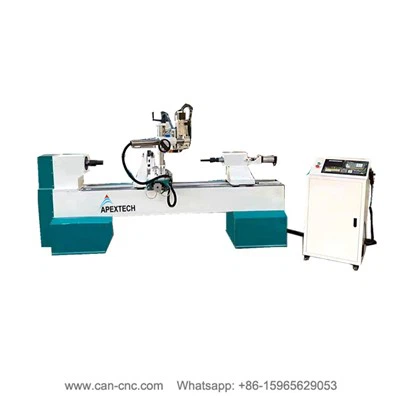
First off, let’s get on the same page about what each actually is, ‘cause sometimes people mix ‘em up. A manual wood turning lathe is that classic, old-school machine you might’ve seen in a workshop with a big crank, right? You spin the wood by hand (well, with that crank or a foot pedal sometimes) and shape it using sharp chisels that you hold and guide—all with your two hands, zero digital help. A CNC one? That’s the automated beast we sell: you plug in a design file, set the measurements, and the machine does all the heavy lifting with computer-controlled cutters. But beyond the basics, the differences hit almost every part of a project—from how you start it to the final piece, and even what kinds of projects each is made for.
Let’s start with the learning curve ‘cause that’s a huge one for new woodworkers. If you’ve ever tried manual turning, you know it takes months to feel even halfway decent. You gotta master balancing the wood so it doesn’t vibrate apart while spinning, controlling the chisel pressure so you don’t gouge a hole or slip and hurt yourself, and adjusting the speed on the fly depending on the wood type. I’ve watched my neighbor who’s a hobbyist try manual turning last year—he spent three hours making a small bowl and it was lopsided, rough, and he ended up with a tiny cut on his wrist. For CNC? Yeah, you still need to know wood basics (like grain direction and what tools to use) but the learning curve is way shorter. Once you get the hang of the design software (most CNC lathes use super intuitive programs now, not some jargon-heavy stuff), you can have a simple project ready to cut in an hour, tops. No more fighting to keep the wood steady— the machine does all the movement for you. That’s why a lot of small wood shops and hobbyists are jumping to CNC these days, ‘cause they can actually produce pieces without spending years training.
Next up, precision and consistency. This is where CNC crushes it, hands down. If you make ten chair legs with a manual lathe? Each one will have tiny differences—maybe one’s a millimeter shorter, another has a slightly uneven curve, the tapers aren’t exactly the same. That’s not a big deal for a custom one-off piece, but if you’re making 50 identical table legs for a dining set? Manual turning is a nightmare. You’d have to measure and tweak each one for hours, and even then, there’ll be minor flaws. With CNC? If you input the exact specs (say, a 28-inch tall leg with a 3-inch wide top and a perfect spiral cut), every single piece is identical. No lopsided parts, no uneven surfaces, no guessing. We’ve had a few clients come to us after messing up bulk orders with manual lathes—they were over there throwing away half their pieces ‘cause they were inconsistent, and switching to our CNC lathes cut their waste by like 60%. That’s a game-changer for anyone doing production work.
But wait, that doesn’t mean manual is useless. There’s a charm to the “human touch” that CNC can’t replicate. Like, when you make a custom vase for your mom with a manual lathe—you put all your attention into every cut, every swirl, and even the tiny little imperfections make it feel personal. I still remember my first manual turning project, a small candle holder, and the little uneven groove I made on purpose is still my favorite piece I’ve ever made. For one-off, custom, artisanal projects? Manual is where it’s at. CNC can make a perfect copy of a piece, but it can’t create that unique, hand-made character that people love for heirlooms or decor that feels like it has a story. We actually work with a lot of boutique furniture makers who mix both—they use CNC for the bulk of identical parts, then finish them by hand to add those little unique touches. That’s the sweet spot, honestly.
Then there’s the range of projects you can do. Let’s break this down. Manual lathes are limited by what you can physically reach and control. You can make chairs, bowls, small vases, table legs—stuff that’s manageable to hold and shape with chisels. But if you want something super intricate, like a spiral staircase baluster with 10 different curves and detailed carvings? Good luck with manual—you’d be there for days, and it’d probably be messy. CNC? It can handle way more complex designs, super fast. The cutters can reach every angle, make tiny, precise carvings, and replicate patterns that would take a manual turner weeks to do. We had a client a few months back who needed 200 custom balusters for a historic home renovation—all with unique geometric patterns. There was no way a manual lathe could do that in the timeline they had, and our CNC lathes cranked ‘em out in like two days, perfect every time. But again, not all projects are big or complex. If you wanna make a small, hand-carved wooden figurine for your kid, manual is way more fun—you get to guide every little cut, no need to mess with a design file.
Cost and time are two more big factors, especially if you’re running a business. Let’s talk time first: a manual turner might take 2-3 hours to make a single medium-sized bowl. A CNC lathe? Once the design is set, it can make that same bowl in 15-20 minutes. That’s a huge difference for production. But wait—upfront cost? A manual lathe is cheaper to buy initially, right? You can get a good used manual lathe for a couple thousand bucks. A CNC lathe is more, like $10k to $50k depending on the size and features. But if you’re doing bulk orders, the time saved means you make way more money. Plus, less waste from manual turning (which, let’s be real, has a high scrap rate when you’re learning or doing bulk) adds up. For hobbyists who only make one or two pieces a month? Manual might be more cost-effective, ‘cause you don’t need to spend that much on a CNC machine. But for small wood shops or furniture makers who want to grow? CNC is the better long-term investment. We’ve had a bunch of hobbyists come to us and say they started with a manual lathe, realized they were turning down orders ‘cause they couldn’t keep up, and then got a CNC lathe from us and doubled their business in a year. That’s the real impact.
Safety is another thing people don’t talk about enough. Manual lathes have a lot of moving parts—sharp chisels, spinning wood that’s heavy if it’s big. If you slip, or the wood’s not balanced, you can get a bad cut or even have a piece of wood fly off at high speed. I’ve seen a guy I know get hit in the arm with a chunk of oak that came loose from a manual lathe—had to get stitches. CNC lathes? The spinning speed is controlled, the cutters are enclosed for safety (most modern ones), and there’s no risk of the operator’s hands slipping near the cutting area ‘cause the machine moves the tools. Don’t get me wrong, you still gotta be careful with CNC—you don’t wanna stick your hand in the cutter while it’s running—but it’s way safer for beginners and even experienced workers. That’s a big reason schools and trade shops are switching to CNC these days, ‘cause the safety factor is way higher.
Wait, let’s not forget about material flexibility. Both manual and CNC work with wood, obviously, but CNC can handle more specialized materials, right? Like, if you’re working with exotic hardwoods that are super dense, or even composite wood, plastic, or small metal bits (though that’s less common for wood turning), CNC can cut through them cleanly without as much risk of chipping or splitting. Manual turning is limited by how easy the material is to shape by hand—exotic woods like teak or ebony are way harder to carve with manual chisels, so you gotta take it super slow, which adds time. CNC can adjust the cutter speed and depth automatically, so it handles dense materials way better. But for softwoods, like pine or cedar for a small birdhouse post? Manual is totally fine, no problem at all.
Now, let’s get real about what we do—we’re a CNC wood turning lathe projects supplier, so obviously I’m biased, but that doesn’t mean manual is garbage. It’s just two different tools for two different jobs. Let’s sum up the main differences in plain terms, no fancy jargon:
- Learning curve: Manual takes months to master, CNC takes a few weeks to get the hang of basics.
- Precision: CNC makes identical, perfect pieces every time; manual has tiny, human flaws.
- Project type: Manual is for small, one-off, custom pieces with that hand-made feel; CNC is for bulk orders, complex designs, large production runs.
- Time: CNC is way faster for any project beyond super simple small pieces.
- Cost: Manual is cheaper upfront for hobbyists, CNC pays off long-term for growing businesses.
- Safety: CNC is way less risky for operators.
I see a lot of people online arguing about which is better, but honestly? It’s not an either/or. Most professional woodworkers these days use both. Like, a furniture maker might use CNC to cut all the identical table legs and chair spindles, then finish them by hand, sand the edges just right, add a little hand carving to make each piece unique. That combines the efficiency of CNC with the character of manual work. It’s the best of both worlds.
If you’re a hobbyist just starting out, don’t drop a ton of money on a CNC lathe right away—try a manual one first. Get a feel for wood turning, see if you even like it before investing in automated gear. But if you’re a small shop that’s getting tons of requests for bulk identical pieces, or you’re taking on big custom projects with intricate designs? CNC is going to make your life so much easier, and help you take on more work without burning out.

We work with all kinds of people—hobbyists testing the waters, small furniture makers expanding, even big renovation companies needing bulk parts. If you’re curious about how CNC lathes could work for your projects, or you have questions about the difference between manual and CNC, feel free to reach out. We love talking shop, helping folks figure out what gear fits their needs, and getting them set up with projects that actually make sense. Don’t overcomplicate it—just figure out what you wanna make, how many you need, and go from there.
Fiber Laser Cutting Machine 参考文献:
- "Wood Turning: Manual vs. CNC, Key Differences for Woodworkers" – Woodworking Trade Magazine, 2023
- "CNC Wood Lathes vs. Manual Lathes: A Practical Comparison" – Small Business Woodcraft Journal, 2022
- "Safety and Precision in Wood Turning: Automated vs. Traditional Methods" – American Woodworker Association, 2021
Jinan APEX CNC Technology Co., Ltd.
Jinan APEX CNC Technology Co., Ltd. is one of the most professional cnc wood turning lathe projects manufacturers and suppliers in China, specialized in providing high quality products and service. Please feel free to buy high-grade cnc wood turning lathe projects for sale here from our factory. For more information, contact us now.
Address: YuanZhuang Industrial Park, Shizhong District, Jinan City, China
E-mail: info@apex-cnctech.com
WebSite: https://www.can-cnc.com/
