If you’ve ever walked past a construction site and noticed that neat, modular grid of metal poles and platforms, there’s a good chance that’s frame scaffolding. It’s one of the most popular systems out there right now for a reason: it’s versatile, easy to assemble, and way faster to put up than old-school tube and clamp. But here’s the thing—even the best scaffolding won’t do anyone any good if the people using it don’t know what they’re doing. As a frame scaffolding supplier, I’ve seen way too many jobs go sideways because of skimpy training, shortcuts, or just plain not understanding the ins and outs of how this system works. So let’s break down exactly what kind of training you actually need to work with frame scaffolding, no jargon, no fluff—just the stuff that keeps crews safe and jobs on track. Frame Scaffolding
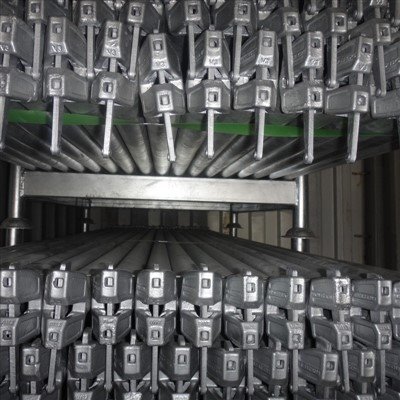
First off, let’s get one thing straight: frame scaffolding isn’t something you can “figure out as you go.” A lot of folks think, “It looks simple, I’ve put together a bookshelf before, how hard can it be?” But there’s a big difference between screwing together a IKEA bookcase and putting up a structure that holds multiple people, tools, and materials 20 feet in the air. The training starts with the basics, and honestly, that’s where most companies cut corners. The first thing anyone needs to learn is the difference between the different frame components—you’ve got the main frames, the cross braces, the base plates, the outriggers, the guardrails, and the planks. A common mistake I see is mixing up a 5-foot frame with a 6-foot one, or using a light-duty cross brace on a heavy-duty frame. Training should teach you to spot those mismatches, because using the wrong parts is like wearing flip-flops to a construction site—it’s just asking for trouble.
Then there’s the part that trips up even experienced crews: load limits. Frame scaffolding has specific weight caps, and they’re not just random numbers pulled out of thin air. Light-duty frames are usually for just one person and a small toolbox—maybe 25 pounds total. Medium-duty can handle two people and some supplies, around 50 pounds. Heavy-duty is for masonry work or big equipment, up to 75 pounds. Training needs to drill that into your head: never exceed that load, never stack materials higher than the planks’ edge, and never use the scaffold to hoist things like buckets of concrete with a crane without extra reinforcements. I had a job last year where a team put 100 pounds of bricks on a light-duty frame, and one of the bottom frames bent so bad the whole structure sagged 3 inches. No one got hurt, but it cost them two days of work and a new set of frames. That’s the kind of thing you can avoid with the right training.
Next up: site prep and base setup. This is probably the most overlooked part of frame scaffolding training. A frame is only as stable as its foundation, right? If you set it up on soft, uneven ground, or skip using base plates and mud sills, it’s gonna tip sooner or later. Training should walk you through how to mark the spot first—you need to level the ground, compact it, and lay down either metal base plates (not just wooden blocks, which can shift) or concrete mud sills. For scaffolds taller than 10 feet, you need outriggers or cross braces tied to the building to keep it from swaying in the wind. I’ve seen scaffolds get blown over in a 20 mph gust because someone skipped the outriggers—luckily, that was on a quiet weekend, no one was hurt, but it’s a nightmare scenario. Training should also cover weather checks: if there’s a storm warning, take the scaffold down, or at least secure the planks so they don’t blow away.
Once you get past setup, there’s the daily pre-use check. This isn’t just a “glance over” thing—it’s a formal part of training that everyone should do before climbing on the scaffold every single day. What are you looking for? Loose bolts, bent frames, cracked cross braces, missing guardrails, slippery planks (from mud or rain), and any signs of shifting at the base. I once had a guy skip this check and step on a plank that had a 2-inch crack in it—he fell 8 feet, broke his arm, and the site had to shut down for a week. That check takes 5 minutes max, and it’s way better than the alternative. Training should teach you exactly what to look for, and who to call if you spot a problem—no “I’ll just fix it later” allowed.
Then there’s the stuff for people who are actually going to be working on the scaffold, not just setting it up. That includes how to climb safely—no jumping, no carrying heavy tools in one hand, always using the built-in ladders on the frame (not the cross braces, which aren’t meant for climbing). Guardrails are non-negotiable, even if it feels like they’re in the way—they’re there to stop you from slipping. And don’t forget about fall protection: if the scaffold is over 6 feet, you need a harness, and training should show you how to attach it properly to a secure anchor, not just a random frame pole. A lot of people think guardrails are enough, but if you’re working on a steep roof or carrying a big load, a harness is a lifesaver.
Wait, what about specialized training? Because frame scaffolding isn’t one-size-fits-all. If you’re working on a residential job, it’s gonna be different from a commercial high-rise. For example, if you’re putting up a scaffold around a building that’s 50 feet tall, you need training on how to tie the scaffold to the structure correctly, how to adjust for wind loads, and how to use lift gates to move materials up. If you’re doing renovation work where you have to take apart a section of the scaffold to get through a window, training should teach you to reinforce the surrounding area so the rest of the scaffold doesn’t become unstable. I also see a lot of people using frame scaffolding for temporary access on bridges or overpasses—those have their own rules, like extra bracing and load limits, so specialized training for that is a must.
Oh, and don’t forget about inspection and maintenance training. It’s not just putting it up and taking it down—you have to check it regularly, even after it’s up. OSHA (wait, yeah, OSHA has specific standards for scaffolding) recommends inspections every time you use it, after a storm, after someone makes a modification, or every 30 days if it’s up for a long time. Training should teach you how to document those inspections, what defects are considered “critical” (like a bent frame) that require the scaffold to be taken out of service right away, and how to store the parts properly so they don’t get damaged. I’ve seen companies leave frame parts out in the rain all winter, and when they pulled them out for a new job, the cross braces were rusted through—those parts are useless, and using them is a safety hazard.
Now, let’s talk about who needs this training. It’s not just the people who assemble the scaffold. Every single person who works on, climbs, or even loads materials onto the scaffold needs to have some level of training. Even the laborers carrying bricks to the scaffold platform need to know not to overload it, not to lean too far over the edge, and how to spot a problem before it gets bad. A lot of companies only train the foreman, but that’s a mistake—if the guy carrying the mortar doesn’t know the load limit, he might put too much on the scaffold and cause it to collapse.
I get it, training costs time and money, especially on tight construction schedules. But let’s be real: a few hours of training is way cheaper than a workplace injury, a job shutdown, or a lawsuit. As a frame scaffolding supplier, I work with a lot of small contractors who try to skip training to save a buck, and more often than not, that ends up costing them way more in the long run. I’ve had clients come back to me after a safety violation, having to replace damaged frames, and saying, “We should’ve just done the training in the first place.” It’s not a luxury—it’s an investment.
So what should a good training program actually include? Let’s make it concrete, not just “learn about scaffolding.” First, it should be hands-on, not just classroom lectures. Watching a video about putting up a frame is nothing compared to actually screwing together a few frames under the guidance of a trained instructor. Second, it should cover real, site-specific scenarios—like “what do you do if the ground is wet?” or “how do you reinforce a scaffold around a tree?” Third, it should be up to date with the latest standards, because OSHA changes scaffolding rules every few years, and old training can leave you with outdated information. And fourth, it should be refreshed regularly—annual refreshers, because if you don’t use the skills every day, you’ll forget them. A lot of people think one training session is enough, but that’s like taking a driving test once and never practicing again—you’ll get rusty.
Wait, one more thing: there’s a big difference between training and certification, right? Certification is usually a test at the end, proving you know the material, but training is the ongoing stuff that keeps you safe day to day. Some companies think they’re the same, but no—certification is a baseline, but regular training is how you stay sharp. I recommend that every crew member has both: a formal certification from a recognized program, and monthly toolbox talks about frame scaffolding safety, where you go over a recent incident, a common mistake, or a new rule. Those toolbox talks only take 10 minutes, but they keep safety top of mind.
Let me wrap this up. Frame scaffolding is an awesome tool, but only if you use it right. The training you need covers everything from identifying the right parts, setting up a solid foundation, checking the scaffold every morning, understanding load limits, climbing safely, and knowing what to do in an emergency. It’s not just for the guys who put it up—it’s for everyone who works around it. And as a frame scaffolding supplier, I can’t stress enough how much better jobs run when crews have proper training: fewer delays, fewer injuries, less wasted material.
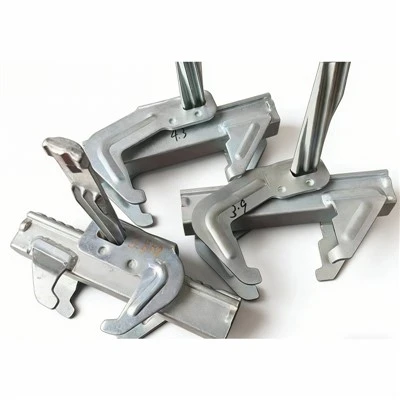
If you’re in the market for frame scaffolding, or you need to make sure your crew is trained to use it safely, reach out to us. We can connect you with reputable training providers, or walk you through the right equipment and best practices for your job. Don’t cut corners here—your crew’s safety is worth way more than saving a few bucks on training. Let’s build smart, not just fast.
Scaffoldings References
- Occupational Safety and Health Administration (OSHA). 29 CFR Part 1926, Subpart L – Scaffolds.
- American National Standards Institute (ANSI). ANSI/ASSE A10.8-2020, Safety Requirements for Scaffolding.
- Scaffold Industry Association (SIA). Frame Scaffolding Safety Training Manual, 2021 Edition.
Rizhao Wellfit Scafform Co., Ltd.
As one of the most professional frame scaffolding manufacturers and suppliers in China, we have world-leading production equipment and strong manufacturing capabilities. Please feel free to buy high quality frame scaffolding at competitive price from our factory.
Address: No. 7, Huasheng Road, Taoluo Town Industrial Zoon, Donggang District, Rizhao City
E-mail: sales@wfscafform.com
WebSite: https://www.wfscafform.com/
