If you’ve ever laughed until your sides ached at a birthday party, held a squeaky balloon conversation, or watched a fireworks display paint the sky over a stadium, you’ve interacted with helium—even if you didn’t stop to think about where that gas comes from, or how it powers moments of joy across the entertainment industry. As a helium supplier who’s worked with event planners, film crews, and theme park operators for over a decade, I’ve seen first-hand how this once-overlooked element turns casual gatherings, live shows, and creative projects into unforgettable experiences. It’s not just the high-pitched voice trick (though that’s still a favorite at kid’s parties) that makes helium a workhorse in entertainment; its unique properties make it irreplaceable for everything from set design to special effects. Helium
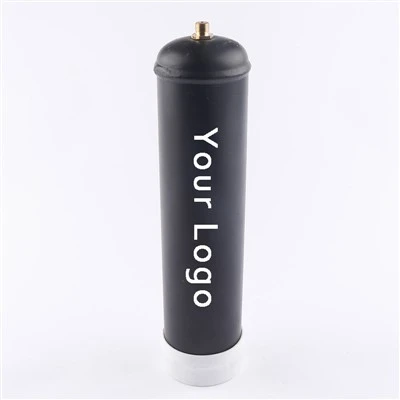
Let’s start with the most visible use: balloons. If you’ve organized a parade, a corporate product launch, or a kids’ birthday party, you know helium is the only gas that makes latex or foil balloons float. Back when I first started in this business 12 years ago, most event planners would buy small, disposable canisters from grocery stores, not realizing how much helium is wasted that way. Today, though, we work closely with large-scale event producers—like the team behind Macy’s Thanksgiving Day Parade, for example—who rely on bulk helium supplies to keep thousands of balloons aloft for hours. Macy’s parade alone uses over 300,000 cubic feet of helium each year, and our team’s job isn’t just to deliver the gas; it’s to consult on balloon inflation, storage, and even the post-parade retrieval process, because helium is so light it can escape latex balloons in as little as 12 hours, and foil balloons need special handling to be recycled. Even for smaller events, we’ve started offering reusable helium tanks instead of single-use ones, cutting down on waste while ensuring event organizers don’t run out of gas mid-party. It’s a small change, but one that keeps people coming back to us year after year.
Beyond party balloons, helium is a key player in live event design and stagecraft. Think about the giant overhead installations you see at music festivals like Coachella or Lollapalooza—those floating orbs, curved structures, and giant letters that spell out a festival’s name? Most of them are inflated with helium. Unlike air, helium is inert and non-flammable, which makes it safe to use in large installations that hang above crowds. I remember a time a few years ago, a production team contacted us in a panic: they had designed a 20-foot helium-filled sculpture for a major outdoor concert, and their previous supplier had delivered a lower-grade helium mixed with air, causing the sculpture to deflate an hour before showtime. We rushed a 500-cubic-foot bulk delivery to the venue, worked with their rigging team to adjust the inflation pressure, and the sculpture stayed up for the entire three-day festival. That’s the thing about helium in entertainment: a small mistake in purity or quantity can ruin a whole event, so reliability is everything. We test every bulk shipment for 99.99% purity, because even a tiny amount of oxygen or nitrogen in the helium can make a sculpture float lower than planned, or cause it to drift in wind.
Then there’s the film and television industry, where helium is a behind-the-scenes hero. Most people don’t know this, but helium is used to cool the superconducting magnets in MRI machines for medical scenes, but it’s also critical for special effects that need to look realistic. Wait, how? Let’s talk about aerosols and fog effects. To create the smooth, low-hanging fog you see in fantasy films, horror movies, or period dramas, technicians often mix liquid nitrogen or helium with water vapor. Helium has a lower density than air, so it helps the fog stay close to the ground instead of rising and dispersing quickly. That’s a trick we’ve worked with several Hollywood special effects companies on: last year, a production team making a fantasy adventure movie needed fog to fill a castle’s great hall without spilling over the stone floors, and the mix they were using with carbon dioxide kept drifting up. We provided a custom blend of helium and water vapor that kept the fog low for over four hours, long enough to film all the wide shots. Helium is also used in the fabrication of model props for films. If you’ve seen a giant flying alien spacecraft or a life-sized animal model, those are often filled with helium to make them lightweight enough to hang from rigs, even for long filming days. I’ve delivered small portable helium tanks to sound stages across the country, where prop masters use them to inflate miniatures that need to move without looking heavy or awkward.
Theme parks are another big customer for us, and their use of helium is a mix of fun and functional. You’ll spot helium-filled mascots, balloon garlands, and decorative orbs at entrance plazas, but there’s a more technical side too. Many theme park rides, especially those that simulate flight or movement, use helium to test the balance of ride vehicles before they open to the public. Helium’s low weight makes it easy to adjust the center of gravity of a ride car, so engineers can test how it will move with guests inside without risking a costly accident. We also work with theme park parade teams, who use helium to keep giant character balloons—like Snoopy or SpongeBob—stable as they move along the parade route. Those balloons are over 50 feet tall, so wind can push them off course, but adjusting the helium pressure to make them slightly more buoyant helps them stay aligned with the parade’s path. A few years ago, a regional theme park was having trouble with their Elsa balloon dragging on the ground during parades, and our team helped them reduce the helium amount by 10%, which was just enough to lift the balloon’s bottom a few inches without making it drift into power lines. It’s those small, data-driven adjustments that make us different from other helium suppliers—we don’t just deliver gas; we partner with clients to solve specific problems.
Wait, let’s not forget the light-hearted, classic uses that keep helium a staple in family entertainment. The squeaky voice trick, where inhaling a small amount of helium changes the resonance of the vocal cords, is a party staple, but it’s important to note that our team always advises event organizers to only let people inhale helium from approved, food-grade balloons (never from compressed canisters, which can damage lungs). We even work with party supply stores to educate parents about safe use, because nothing ruins a kid’s party faster than a trip to the emergency room. That’s part of being a supplier in the entertainment space: we care about the experience, not just the product. We’ve also started offering custom helium-filled balloons printed with brand logos, for corporate events, award shows, and product launches. A tech company once ordered 10,000 custom foil balloons for a launch party, and our team worked with them to make sure the helium would keep the balloons floating for a full week, so attendees could take them home as souvenirs.
Of course, there’s a challenge that every helium supplier and entertainment client faces today: helium is a finite natural resource, and global supplies have been tight in recent years. That’s why we’ve invested in storage and distribution infrastructure that lets us reserve helium for entertainment projects that matter—no wasting gas on single-use, low-priority items when bulk supplies are scarce. We work with clients to calculate exactly how much helium they need, so they don’t order more than they’ll use. For example, when a wedding planner asked for 500 cubic feet of helium for a reception, we calculated that they only needed 350 cubic feet to fill 200 balloons and a small centerpiece sculpture, saving them money and conserving helium for other events.
If you’re an event planner, film production manager, theme park operator, or anyone in the entertainment industry who relies on helium to make your projects come to life, we’re here to help. Whether you need a single small tank for a backyard birthday party, or a bulk shipment for a 10-day music festival, our team has the expertise to deliver the right grade of helium, on time, and with the support you need to make your event a success. We don’t just sell gas—we’re your partner in creating moments that people will remember for years. Reach out to our team to discuss your helium needs, and let’s make your next project float.
Oxygen References
- U.S. Energy Information Administration. (2023). Helium Consumption by Industry.
- Balloon Council International. (2022). Helium in Event and Party Applications.
- Motion Picture Association. (2021). Special Effects Materials and Supply Chain.
- Themed Entertainment Association. (2022). Theme Park Prop and Stagecraft Technology.
- Global Helium Association. (2023. Helium Safety Guidelines for Public Events.
Fortune Gas Co., Ltd.
With abundant experience, we are one of the most professional helium manufacturers and suppliers in China. We warmly welcome you to buy bulk high quality helium from our factory. If you have any enquiry about customized service, please feel free to email us.
Address: Building 3, No. 2 Chunchao Road, Yichun Economic and Technological Development Zone, Jiangxi Province
E-mail: Fortunegas_angela@163.com
WebSite: https://www.fortunegascn.com/
