If you’re on the hunt for a food cartoning machine for your operation, you’re probably already swamped with specs, speed rates, and price tags. But let’s be real—numbers only tell half the story. The certifications a machine carries are the fine print that’ll save you from headaches, regulatory fines, and even food safety scares down the line. As a supplier who’s worked with small-batch bakeries, mid-sized snack brands, and big-name frozen food companies, I’ve seen way too many folks skip over certifications just to save a buck—only to end up with a machine that can’t even pass a basic health inspection. So let’s break down the non-negotiable certifications you need to look for, plain and simple. Food Cartoning Machine
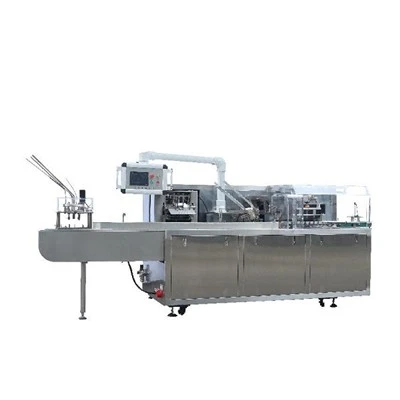
First off, if your food’s going to be sold in the U.S., there’s one certification you can’t skip: 3-A Sanitary Standards. Wait, no—wait, hold on, that’s not just “a” certification. 3-A is a whole set of standards that covers how food equipment is designed, built, and cleaned, right? I see so many new buyers mix it up with something easier, like generic food-grade metal, but 3-A is way more specific. Let me explain: it’s not just that the machine uses stainless steel (which is a must, let’s be clear). 3-A requires things like no sharp corners where bacteria can hide, surfaces that are smooth enough to not trap food residue, and parts that are easy to disassemble for deep cleaning. Last year, a craft chocolate client of mine tried a cheaper machine that only had a “food-safe” label from the manufacturer—no third-party 3-A. A routine health inspector pulled them up because the machine’s crevices had built up cocoa butter, and they had no way to prove they were sanitizing it properly. They ended up shutting down a shift for 3 days, losing like $12k in sales. That’s the kind of mistake certifications prevent. Also, 3-A is recognized by the FDA, so if you’re selling interstate (or even importing parts for your machine), it checks the regulatory box so you don’t have to redesign everything later.
Next up, if you’re operating in the U.S., you need NSF/ANSI Standard 2. Wait, no—ANSI NSF 2 is for food equipment, right? Wait, let me get that straight. NSF is a third-party testing body, so their certifications are way more trusted than a brand’s self-proclaimed “safe” stamp. ANSI NSF 2 specifically covers equipment that touches food, and it tests two main things: is the material safe (no chemicals leaching into food, even when you’re running hot detergents for cleaning) and is the design sanitary (again, no hard-to-clean crevices). But wait, there’s also NSF/ANSI 18? Wait a second—if your cartoner’s going to be used with packaging materials that touch food directly, like food boxes or sealed pouches, NSF 18 applies to the packaging side? No, no—wait, no, let’s clarify: 18 is for water equipment, that’s a mistake. Sorry, my bad. For food cartoning, it’s ANSI NSF 2, and also, if you’re in the EU, it’s EFSA and EC 1935/2004. Right, I almost forgot about international markets. If you’re selling to Canada, it’s CFIA (Canadian Food Inspection Agency) certification, which aligns a lot with 3-A but has a few specific rules for cold-chain foods, like frozen meals. Last quarter, a frozen veggie brand I work with was expanding to Canada, and we had to make sure their cartoner had CFIA approval otherwise they couldn’t even get their products cleared at the border. That’s a big one—don’t assume one certification works everywhere.
Then there’s electrical and safety certifications, which are easy to overlook but can get you in huge trouble. OSHA (Occupational Safety and Health Administration) in the U.S. requires that all industrial equipment meets UL (Underwriters Laboratories) certification for electrical components. A lot of cheaper machines skip UL and use untested wiring, which is a fire hazard. I’ve heard of a small bakery that had a cartoner short out because it used non-UL parts, and they almost burned down their warehouse. Also, for any machine that has moving parts (which all cartoners do), you need CE marking if you’re selling to the EU, right? CE is mandatory for industrial equipment there, and it covers things like guardrails, emergency stop buttons, and noise levels. Wait, let’s talk noise—if you’re running a cartoner in a factory with a bunch of other machines, OSHA has noise limits for workers, and a non-CE machine might be way too loud, leading to OSHA fines or worker hearing damage. I had a client in Mexico who bought a no-name cartoner, and it didn’t have any safety guards on the carton folding mechanism. Their line worker almost lost a finger when a loose box got stuck—thankfully, it wasn’t permanent, but it cost them in workers’ comp and missed production time. So safety certifications aren’t just paperwork; they protect your people too.
Wait, hold on—there’s also GMP Compliance. GMP stands for Good Manufacturing Practices, and it’s a set of rules that applies to all food manufacturing equipment, right? It’s not a “certification” per se, but it’s a requirement that ties all the other stuff together. GMP requires that your machine doesn’t contaminate food—so things like if you’re making peanut butter, the cartoner can’t have parts that flake off into the product, and if you switch between products, you have a way to clean it thoroughly. The FDA enforces GMP, so if your machine isn’t designed to meet GMP, you can get a warning letter or even be banned from selling your products. Last year, a snack brand got hit with a $200k FDA fine because their cartoner had a small gap between the conveyor and the machine frame that collected crumbs, and those crumbs had mold in them. They tried to blame the machine’s manufacturer, but the FDA said the machine didn’t meet GMP standards for sanitation. That’s exactly why certifications matter—they prove the machine meets those rules, so you don’t have to argue with regulators later.
Wait, let’s make sure I’m not missing anything. What about specific industries? Like, if you’re making liquid foods, like sauces or dressings, you need something extra? No, wait—liquid cartoning has different requirements, like washdown capabilities. Oh right! IP Rating. Ingress Protection. If you’re going to be hosing down your machine with high-pressure water (which is common for liquid food lines), you need an IP65 or higher rating. IP65 means it’s dust-tight and can handle low-pressure water jets. A lot of general-purpose cartoners only have IP20, which is just dust protected, no water. If you use IP20 for washdown, you’ll end up with electrical parts rusting out, and the machine will break down in a month. I had a salsa maker client who learned this the hard way—they bought a cheaper cartoner without IP65, and after the first washdown, the control panel shorted. We had to replace the whole panel, and it cost them $3k in downtime. So IP Rating is super important depending on how you clean your machine.
Let’s also talk about why some suppliers skip these certifications. It’s not that they’re bad, a lot of times they’re from overseas and they cut corners on testing to lower costs. That’s why, when you’re looking at machines, don’t just take the supplier’s word for it—ask to see actual certification documents, not just a picture of a logo. A lot of vendors will post a 3-A logo on their website, but the machine they’re selling isn’t actually certified. Ask for a copy of the certificate, and make sure it’s valid (certifications expire, usually every 1-3 years, so don’t accept an old one). Also, check if the certification covers the entire machine, not just some parts. For example, a machine might have a 3-A conveyor belt but the carton feeder isn’t rated, and that’s a problem.
Wait, let’s wrap this up with what to actually do next. Don’t just scroll past certifications when comparing machines—make a checklist. For your specific location (U.S., EU, Canada, etc.), note the required certifications first, then add industry-specific ones like IP Rating for washdown. If you’re not sure which ones apply, ask the supplier (that’s what we’re here for, right? We’ve helped dozens of brands figure this out based on their product and where they sell it). Don’t be afraid to ask questions—if a supplier gets evasive when you ask for certification docs, that’s a red flag. We’ve had buyers come to us after getting burned by machines that didn’t have the right certifications, and we make sure to walk them through every step, show them actual documents, and explain why each one matters, not just check a box.
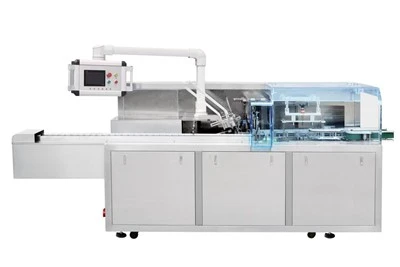
At the end of the day, a cartoner that has all the right certifications isn’t just a safe bet—it’s an investment in your business. It keeps your products compliant, protects your workers, avoids costly fines and downtime, and gives you peace of mind. If you’re ready to talk through what you need, whether it’s for your bakery, snack line, or frozen food operation, don’t hesitate to reach out to our team. We’ll make sure you get a machine that checks all the certification boxes and fits your budget.
Food Automatic Packing Machine References
3-A Sanitary Standards Inc. (2023). Standard for food equipment.
National Sanitation Foundation International. (2022). NSF/ANSI Standard 2 for food equipment.
U.S. Food and Drug Administration. (2021). Current Good Manufacturing Practices (CGMP) for food.
Underwriters Laboratories Inc. (2022). UL 796 standard for food equipment electrical components.
European Commission. (2004). Regulation (EC) 1935/2004 on food contact materials.
Zhejiang Tuoyu Packaging Machinery Co., Ltd.
Zhejiang Tuoyu Packaging Machinery Co., Ltd. is one of the most professional food cartoning machine manufacturers and suppliers in China. With abundant experience, we warmly welcome you to wholesale durable food cartoning machine made in China here from our factory. Good service and quality products are available.
Address: Workshop No.12, No.11-19, Xinbin Road, Binhai New Area, Pingyang County, Wenzhou City
E-mail: 15868789201@163.com
WebSite: https://www.tuoyupack.com/
